Ancelotti vs. Silva: A Clash Over Brazil's Football Future
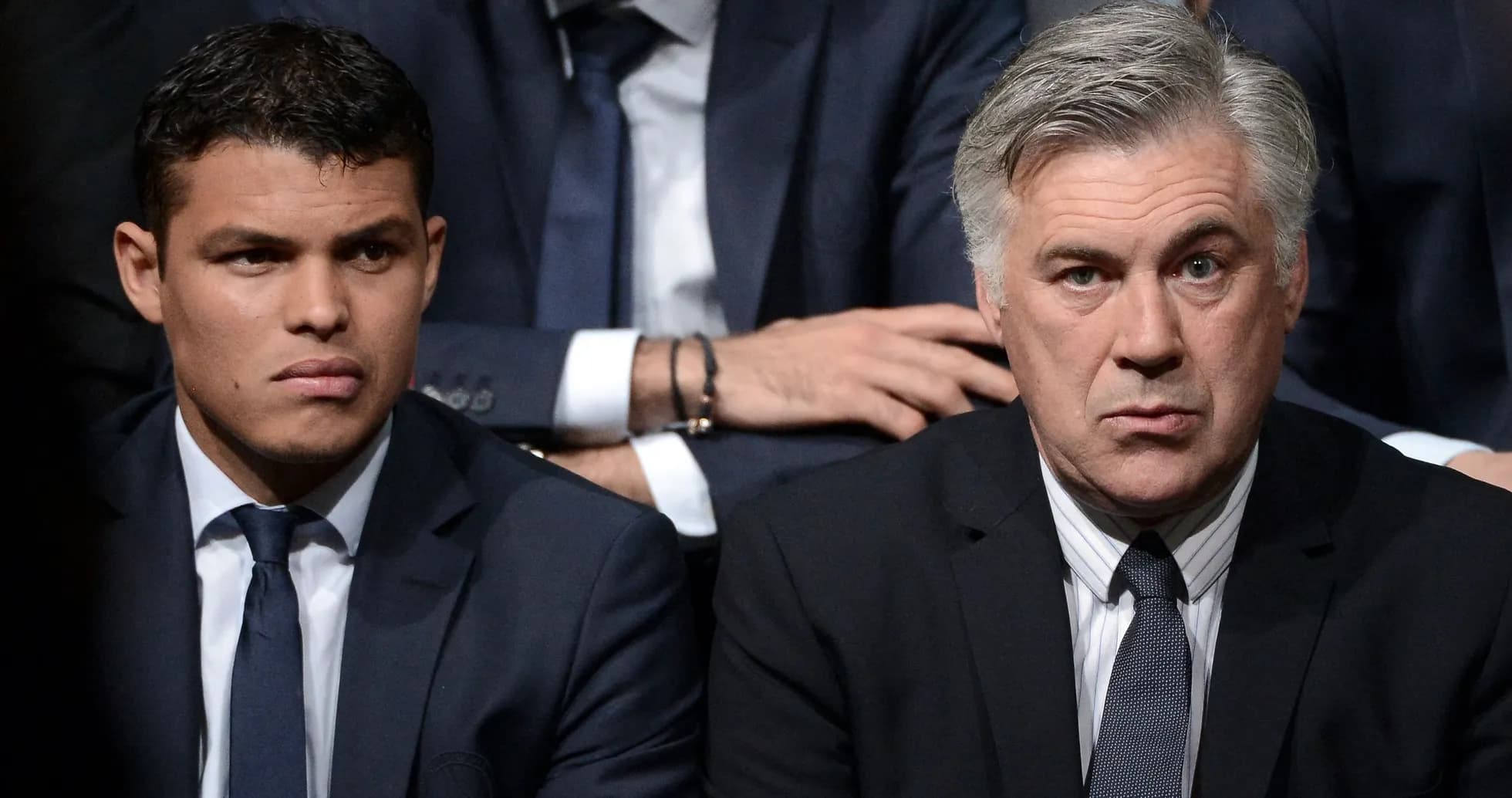
Carlo Ancelotti and Thiago Silva rarely shared a cross word during their Paris Saint-Germain days. Back then, in 2012-13, the Italian coach publicly called the Brazilian “the best defender in the world” and built his back line around him.
Now, with Brazil in the middle of a reset, they find themselves on opposite sides of the debate about what this new era should look like.
From admiration to open disagreement
The flashpoint came as Ancelotti unveiled a 26-man squad for friendlies against Australia and India, a list that signalled a clear break with the recent past. Ten domestic-based players. Ten uncapped names under the age of 30. Several senior figures swept aside after the last-16 World Cup exit.
Thiago Silva did not like what he saw.
Speaking to Radio Tupi after Fluminense’s Copa Libertadores win over Platense, the 113-cap defender, currently impressing on loan at FC Porto, did not bother to sugar-coat his frustration.
“Do you want me to lie or tell the truth? You can't rule out players who are 31, 32 or 33,” he said. For him, the national team demands evolution, not revolution. “In the Brazilian national team, things have to be done step by step. You can't just get rid of everyone and bring in new players.”
Then came the pointed comparison with Ancelotti’s day job.
“He comes from European football, where it's easier to make changes,” Silva argued. “It doesn't work like that here. I don't agree with it, but he's the one in charge.”
It was a rare, public rebuke from one of the most respected voices of his generation, directed at a coach who once championed him at club level.
Ancelotti stands his ground
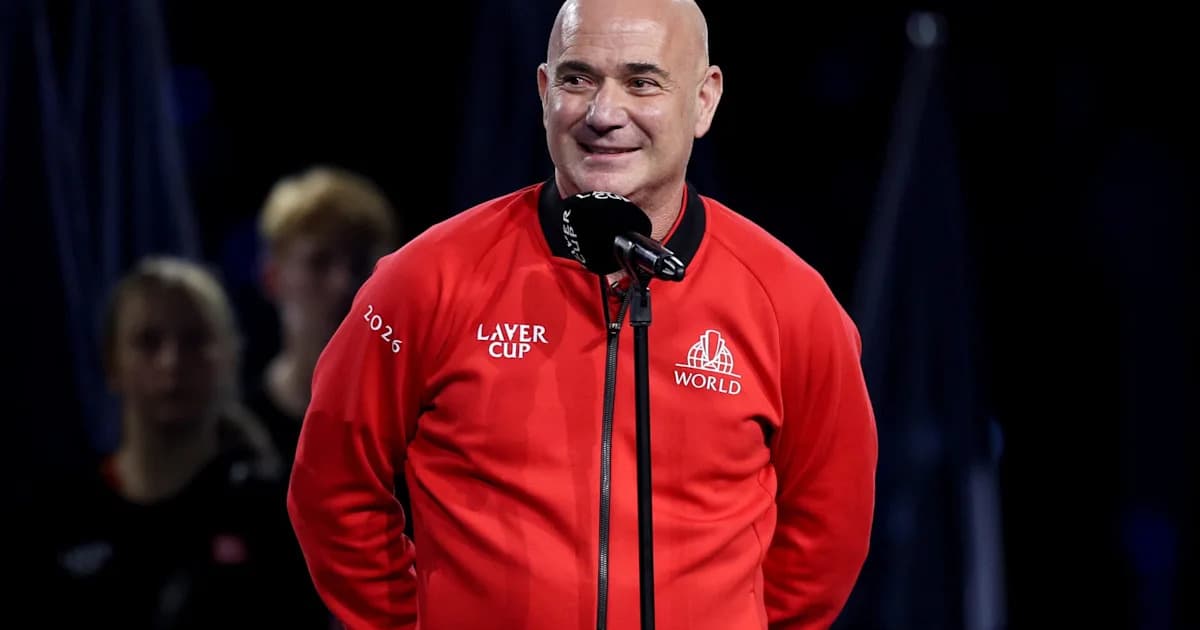
Ancelotti did not let the remarks hang in the air. Facing the media at CBF headquarters in Rio, he was asked directly about Silva’s criticism. The response was brisk.
“I don't look,” he said, brushing aside the noise before laying out his thinking for this international window.
For these games, the Italy coach insists, the priority is clear: assess the future, without closing the door on the past.
“For the objectives we have in these friendlies, it's a balanced list,” Ancelotti explained. “I don't generally look at players' age. Right now, the priority is young players. But if a 34 or 35-year-old is prepared to play in an important competition, he will be in the national team.”
The message was twofold. These matches are a testing ground. And biological age, on its own, will not keep any veteran out of a major tournament.
A new wave in yellow
The squad list underlined that stance. Ancelotti did not just talk about youth; he doubled down on it.
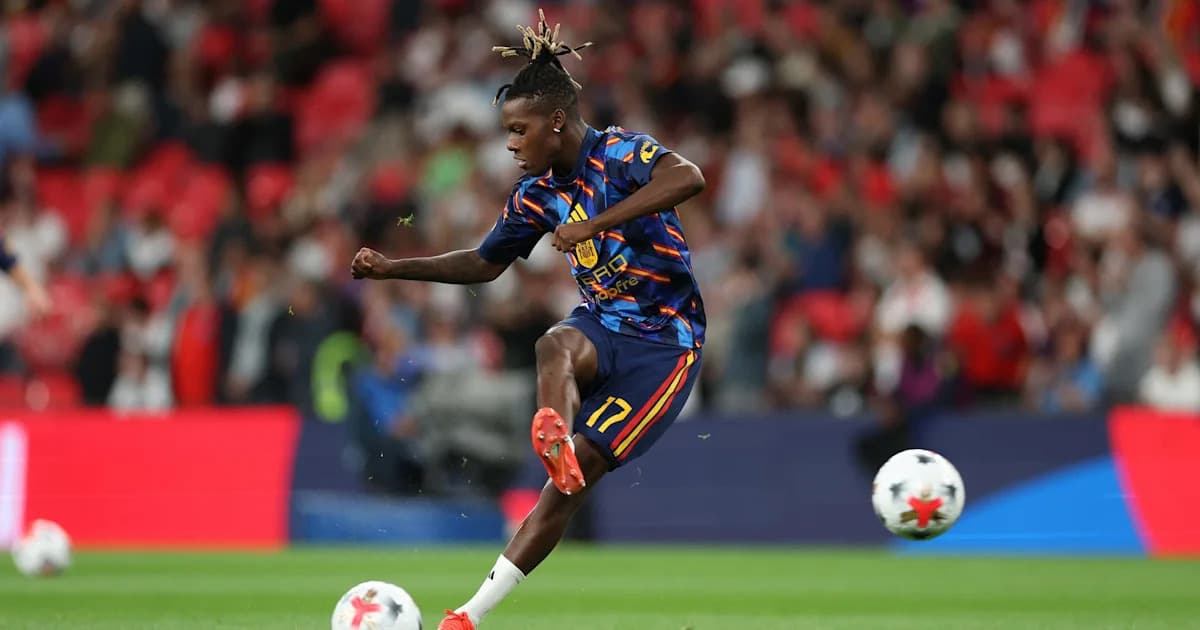
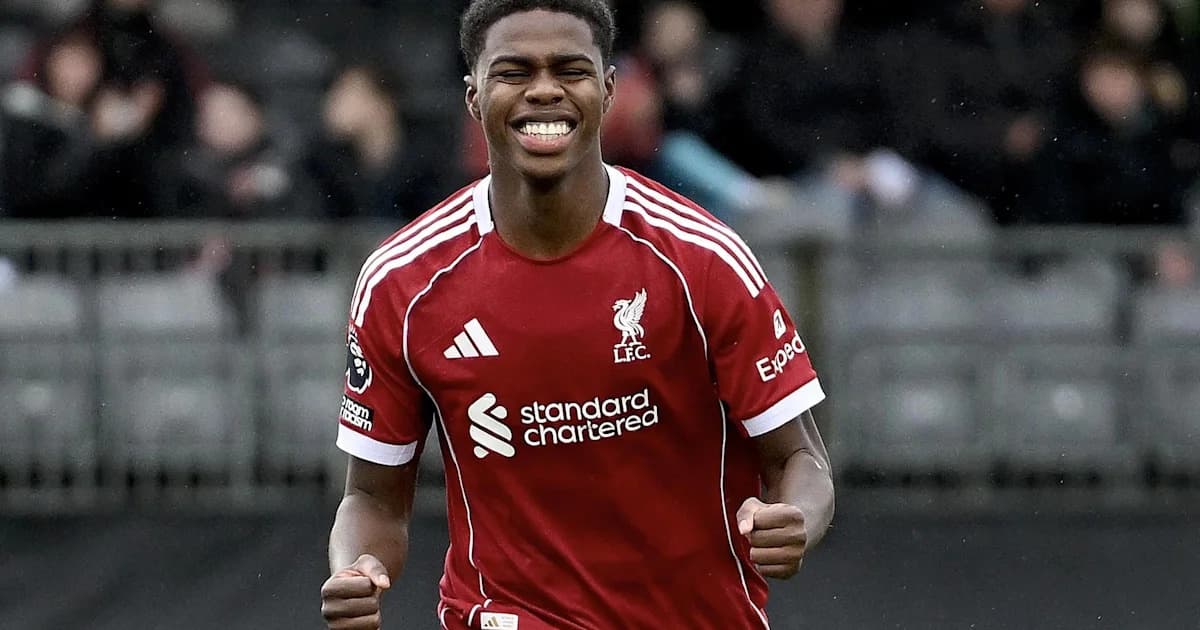
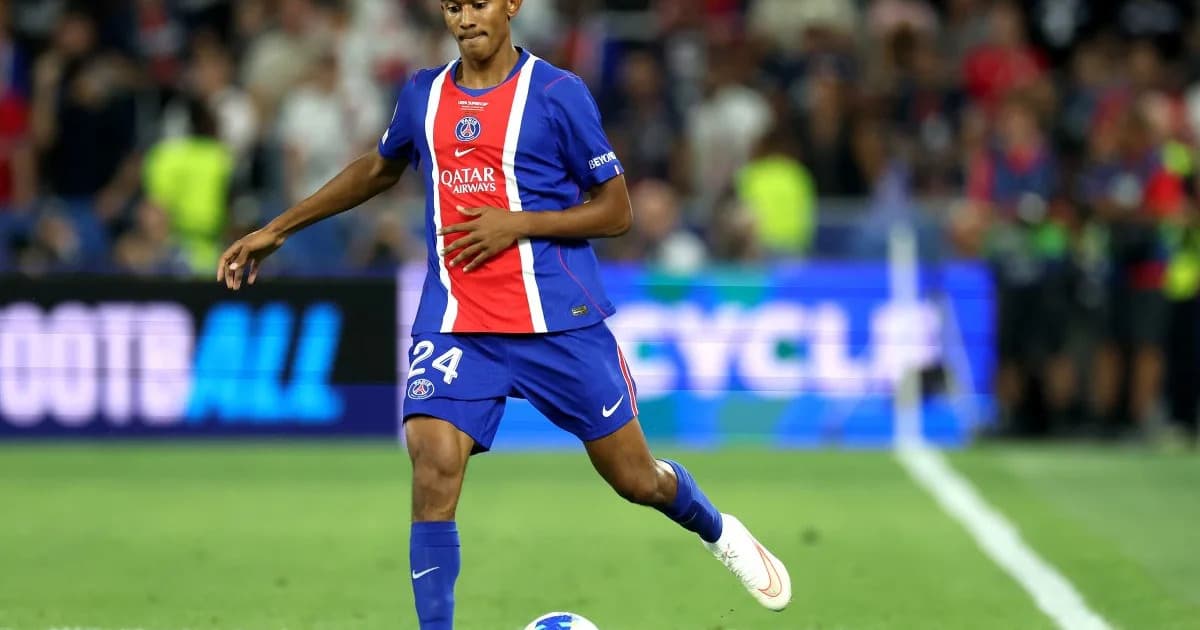
Ten players have received their first senior call-ups, all under 30. In goal, Hugo Souza, Pedro Morisco and Otavio headline the newcomers. At the back, Arthur Dias, Jair, Mauro Junior, Matheuzinho and Manchester City’s Vitor Reis form the core of a fresh defensive unit.
In midfield, Breno Bidon and Gabriel Bontempo step into the senior setup for the first time, tasked with complementing an attacking cast that already includes Vinicius Junior, Endrick, Estevao and Raphinha.
This is not a gentle tweak. It is a clear attempt to accelerate the next generation into the spotlight.
The road ahead
Brazil now turn towards a demanding block of fixtures that will test both Ancelotti’s convictions and the readiness of his new faces. Australia await on September 25 and 29, before a trip to Kolkata to face India on October 3.
Silva wants a slower hand on the tiller. Ancelotti has chosen a sharper turn.
The results of that choice will not be judged in a press room or on a radio show, but on the pitch, as Brazil’s new era begins under the brightest of lights.