England's ODI Victory Over Australia in Adelaide
England came to Adelaide looking for a response. They left with a statement – and Australia staring at a mountain they never seriously looked like climbing.
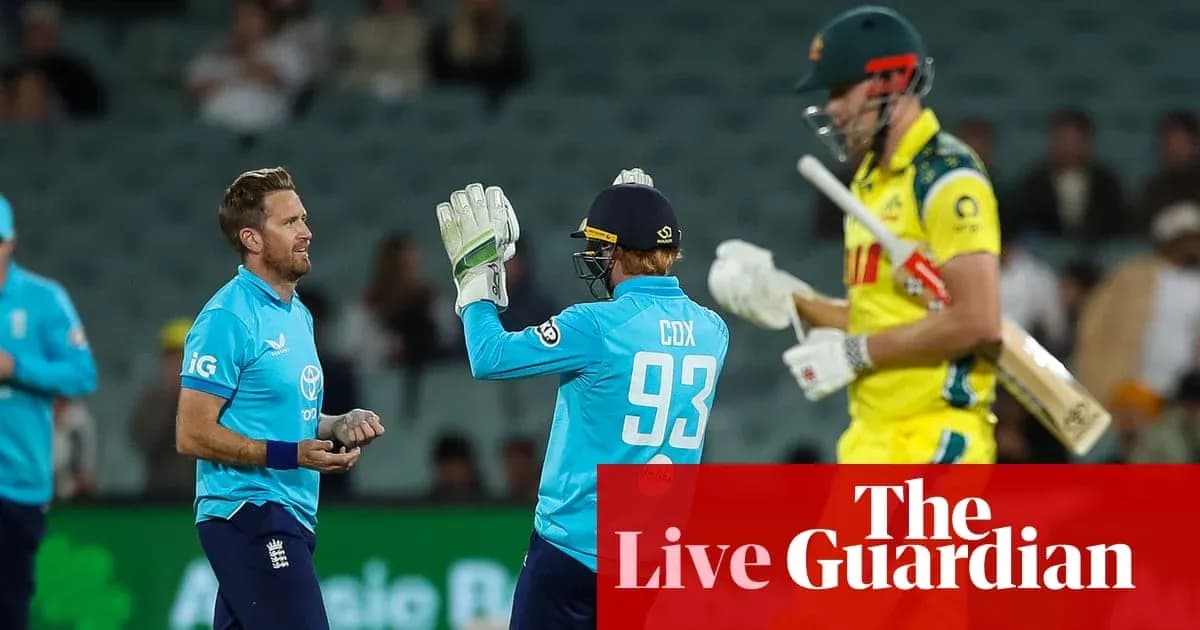
On a flat deck at a traditionally high-scoring ground, England surged to 355, their highest ODI total in Australia. It was a score built in layers: Tom Banton’s measured authority at the top, a quieter middle, then a savage late assault that ripped the game away. When Gus Atkinson took the new ball, he simply finished what he had started with the bat.
By the 20th over of the chase, Australia were 100 for 4. The equation – eight and a half an over with six wickets in hand – looked challenging but not absurd. The problem was everything that had happened before.
Banton’s platform, late-order carnage
England’s innings divided neatly into three acts.
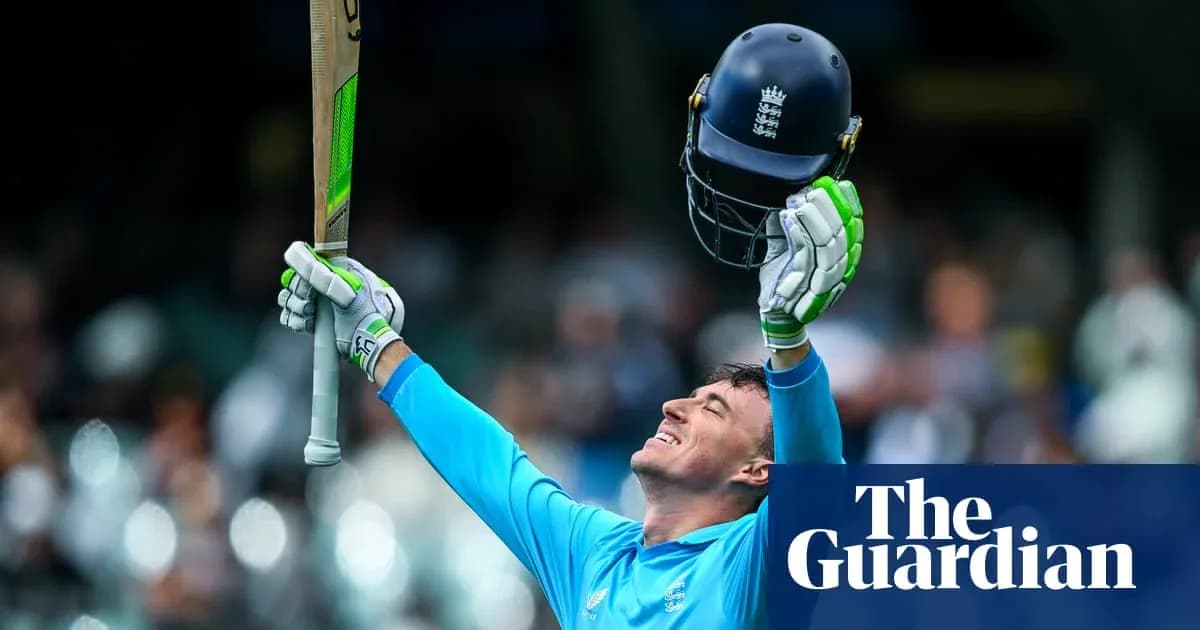
Banton set the tone. His 121 from 99 balls, with four sixes, was not a slog but a controlled dismantling, the sort of innings that calms a dressing room still scarred by recent collapses. Around him, Duckett, Root and Brook went almost old-school: 76 from 99 balls between them, no sixes, more graft than glamour, but crucial ballast.
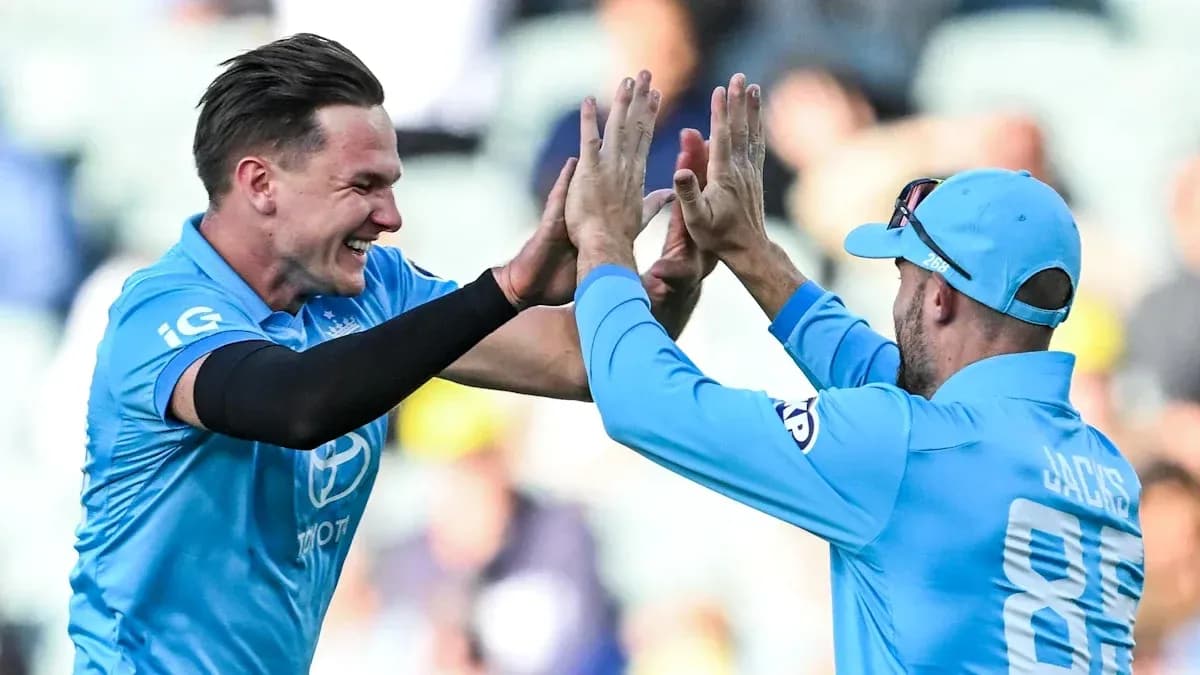
Then the game tilted. Jordan Cox, Will Jacks, Sam Curran and Atkinson turned a strong score into a daunting one, plundering 148 from just 102 balls and clearing the ropes five times. Jacks’ 39-ball fifty lit the fuse, Atkinson’s two late sixes off Jack Edwards blew the doors off. Edwards’ final over disappeared for 18; Jacks finished with a clean strike down the ground, England walking off with 355 and a swagger they have not worn much of late.
From bust to boom in a single morning.
Atkinson and Baker rip through the top order
Australia needed a record chase in home conditions – the mark of 334 already looked vulnerable on this surface. What they got instead was a new-ball examination that shredded their top order.
Harry Brook tossed the new ball to Atkinson, fresh from his batting cameo. The first over was all rhythm and late shape, Mitch Marsh reduced to a prodding single and a broken bat. Travis Head, on his home ground, played and missed. It was a hint of what was coming.
Sonny Baker, preferred to Jofra Archer for the second over, brought bustling energy and movement. Marsh clipped an inswinger for one, survived an outswinger that beat him, and Australia edged to 7 without loss, helped by leg byes. It was scratchy, not stable.
Head briefly threatened to flip the script in the third over, flicking Atkinson’s first ball for six over midwicket. The crowd stirred. Atkinson didn’t. He banged in a lifter outside off, Head threw his hands at it, and Joe Root at slip swallowed the edge. Seven from 10, gone.
One wicket became two in a heartbeat. Cooper Connolly, pinned back and groping, steered another edge to Brook at second slip. Catching practice. Australia 13 for 2, the chase already wobbling.
By the end of Atkinson’s third over, his figures told their own story: 2 for 7 from 12 balls. He had faced four deliveries with the bat and hit two sixes; now he had bowled 12 and taken two top-order wickets. England’s new enforcer in both disciplines.
Baker joins the party, Marsh follows
If Atkinson had cracked the door, Baker barged through it.
In the fourth over, he drew Marsh into a loose drive. Root, at slip, flung himself left like a goalkeeper at full stretch and clung on to a superb catch. Marsh gone for 2, Australia 13 for 3, and Baker wheeling away with the wide-eyed grin of a young seamer who has just bagged a major scalp.
Brook’s gamble in backing Baker over Archer with the new ball had paid off handsomely. Head and Marsh – Australia’s two clear danger men – were both back in the pavilion before the chase had even found a rhythm.
Josh Inglis and Matt Renshaw, fresh from success with the Test side in South Africa, walked in needing the sort of miracle that belongs in fantasy rather than fixture lists. Between them, they now required something close to 150 apiece.
Atkinson’s spell of the day
Atkinson kept coming. His fourth over was a masterclass: 4-0-11-3. It was not just the wickets, though they mattered most; it was the control, the relentlessness. He conceded fewer runs in four overs than he had scored in four balls with the bat.
Inglis looked jittery, survived an lbw shout as Atkinson seamed one in, but the reprieve lasted a single delivery. The next ball held its line, the umpire said no to the edge, Brook rolled the dice on a review, and Snicko showed the faintest of nicks. Inglis gone for 3, Australia 29 for 4.
England had three slip catches safely pouched by this point, and a fourth that should have been taken. Brook captained with aggression, standing at second slip himself and trusting his quicks. Australia, 32 for 4 at the end of the seventh over, were in deep trouble.
Renshaw and Green resist, chances go begging
From that wreckage, Australia found two men willing to fight.
Renshaw, left-handed and unflustered, began to stitch something together. He clipped Baker for a pair of handsome fours in the sixth over, then settled into a stubborn, controlled presence. By the eighth, his personal tally read 16 from 20 balls; the rest of the line-up had crawled to 13 for 3 from 26. It was a different game when he was on strike.
Green, initially scratchy, started to find his range. A crisp square drive for three hinted at more. Yet England kept creating chances.
Atkinson banged in a bouncer, Green miscued a pull, and Liam Dawson at fine leg shelled a straightforward catch. Soon after, Dawson’s left-arm spin found Renshaw’s edge on the drive; Will Jacks at short extra cover spilled another. Three drops in total, all costly on another day. Brook, who had marshalled things so well, suddenly had a blot on his copybook.
Even so, England’s grip never really loosened. At the end of the powerplay, Australia were 45 for 4, England “in dreamland” after pairing a record total with four new-ball strikes.
Dawson under fire, Curran in the crosshairs
The middle overs brought a different challenge. With Atkinson finally given a breather after seven overs of 3 for 22, Archer entered the attack. His first spell was controlled rather than explosive: three dots, three singles, and that familiar, effortless lift.
Yet England’s only real wobble came in support of their spinners.
Dawson, steady but far from threatening, was targeted by Renshaw. A thumping drive over mid-off, then a deft lap for three in the 16th over signalled intent. In the 14th, Renshaw’s slash-drive had already brought another dropped chance at short extra. England’s fielding, so sharp early, had become ragged.
Harry Brook turned to his fifth bowler, Sam Curran, as Renshaw and Green began to settle. It looked a smart way to shuffle the deck; instead, it nearly invited Australia back into the contest.
Green, towering over Curran in a “Little and Large” match-up, tucked a leg-glance for two and then launched a mighty pull for six. Eleven came from the over. The partnership climbed to 56 from 11 overs. Australia, 85 for 4, were still miles off but at least facing in the right direction.
Archer returns, hope flickers
Archer’s second over mirrored his first: three singles, three dot balls, late movement, and a win probability graphic that gave Australia just four per cent. Renshaw took a blow on the thigh pad and shrugged it off. He remained, by any measure, their only realistic hope.
Curran, operating as the fifth seamer, continued to leak. Renshaw lap-swept him for three in the 20th over, Green drove down the ground for a neat three, and a late jag from Archer earlier had even beaten Green’s bat so completely that Jordan Cox at slip could not reach the deviation. The ball flew away for four byes, a rare blemish in an otherwise disciplined effort.
At 100 for 4 after 20 overs, Australia had doubled their score from the early carnage and Renshaw had moved serenely to 47, Green to 33. The partnership had given the chase a skeleton. It still needed flesh, and fast.
England, though, held the trump cards. They had runs in the bank, wickets in hand, and a new-ball pair who had already torn through the heart of the batting. They had Archer in reserve, Curran to mop up, Dawson to keep an end dry, and Jacks if they wanted more spin.
Australia had Renshaw and Green. They needed something extraordinary. England, having gone from crisis to command in a single day, looked in no mood to allow it.