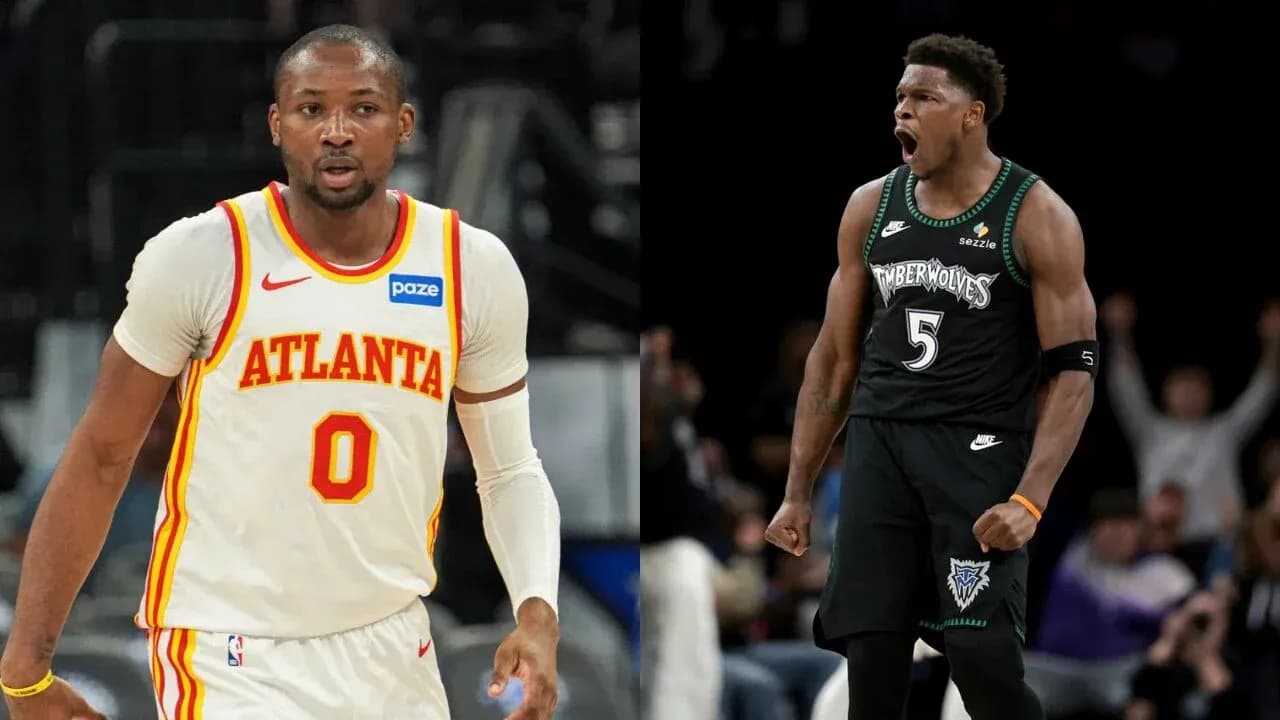
Anthony Edwards Redefines Minnesota Timberwolves' Recruitment Strategy
The Timberwolves didn’t just win a free-agency battle in late August. They changed the way they sell themselves.
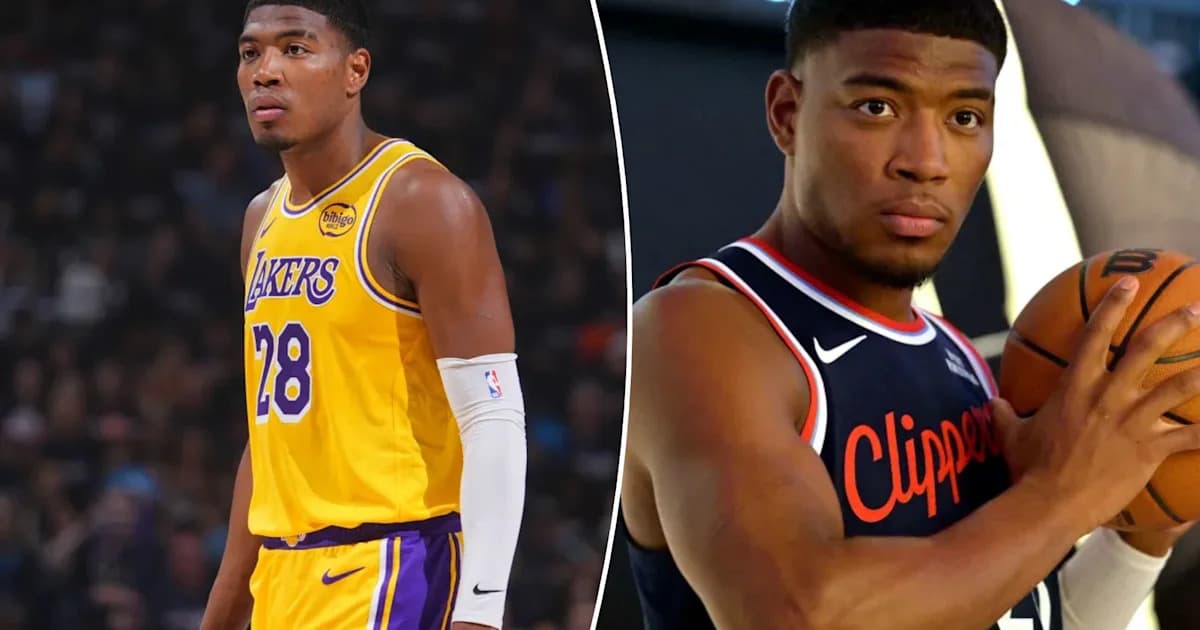
When Jonathan Kuminga put pen to paper with Minnesota, it stunned a lot of people around the league. The 2022 NBA champion had been heavily linked to the Los Angeles Lakers, who had circled him as a potential starting forward. The glamour, the role, the market — on paper, it lined up.
Then the deal collapsed. Not because of fit. Not because of opportunity. Because of what Minnesota, and specifically Anthony Edwards, put in front of him.
Edwards’ Simple, Powerful Pitch
Kuminga’s agent, Aaron Turner, pulled the curtain back in a conversation with Kevin O’Connor. There was no elaborate presentation, no slick video, no over-engineered sales job.
It was Ant.
“Ant was a massive part of this whole thing,” Turner said. The message from Edwards to Kuminga was blunt and refreshing: come be the version of yourself we hated playing against in the playoffs. Not a role player. Not a reined‑in version of his game. The guy who attacks, who forces game plans to bend.
“We’re not asking you to go be something else. We’re asking you to be yourself,” Turner recalled of Edwards’ pitch.
That line cut through a narrative that had started to form around Kuminga: that wherever he landed next, he’d have to reshape his game to fit a system. Turner pushed back on that idea.
“This whole thing of like, oh, he has to adapt. No,” he said on the podcast. Edwards, he added, is “as unselfish of a star as you could imagine and super secure with who he is.” The message from Minnesota’s franchise player was clear: bring everything, and bring it loudly.
“I want you to come here, and I want you to do everything you do and do it loudly… I want you to come in here and be Jonathan Kuminga.”
That’s not a marketing slogan. That’s a locker-room invitation.
A Smaller Contract, A Bigger Statement
On the surface, the money raised eyebrows.
Kuminga agreed to a two-year, $12.4 million deal with Minnesota. For a 22-year-old with a ring, pedigree, and upside, the number felt light — especially when stacked against what the Lakers had on the table.
According to reports, Lakers general manager Rob Pelinka offered roughly three years and $36 million. Turner later admitted on FanDuel’s “Run it Back” that he couldn’t quite wrap his head around the idea of a team trying to lock in a starting-caliber forward at about $12 million per year, “pretty decently below the midlevel.”
Then Kuminga signed for even less annually in Minnesota.
The math didn’t add up for some. The basketball did. So did the belief.
Kuminga chose a shorter deal, a smaller check, and a larger role next to a star who actively wants him to stretch his game, not shrink it. When a young player bets on himself, the environment matters more than the extra year on the contract.
And Minnesota, suddenly, looks like a place players are willing to bet on.
LaMelo, Kuminga and a New Timberwolves Identity
Kuminga’s arrival didn’t land in a vacuum. It came on the heels of another bold move: the Timberwolves bringing in LaMelo Ball to pair with Edwards in the backcourt.
Ball and Kuminga, both still tapping into their ceilings, now join a team built around a 23-year-old face of the franchise who has already dragged Minnesota into the contender conversation. The front office didn’t just tinker at the edges this summer; it swung for upside and volatility, the kind of talent that can break a playoff series open.
The timing is not accidental. Edwards is six years into his Timberwolves tenure. His five-year deal runs through 2029. On paper, there’s time. In reality, the league moves fast, and front offices know the clock on a superstar’s patience doesn’t always match the contract length.
So Minnesota moved.
Keeping the Star All-In
Inside that context, Brian Windhorst’s read on Edwards’ mood matters.
“Ant is very pleased with the Wolves’ offseason,” Windhorst said on his show. He pointed straight to the two headliners: going to get LaMelo Ball, then closing the deal for Kuminga.
Windhorst even floated a hypothetical: if Edwards’ extension were up for discussion right now, this kind of summer might be the sort of thing that pushes a star to commit again. The sense is that Edwards sees LaMelo as a strong fit and views the Kuminga move as another aggressive step toward a title window, not a soft reset.
Keeping a player of Edwards’ stature content isn’t a side quest. It’s the entire blueprint. Superstars want ambition around them. They want to see a front office willing to take risks, to chase talent, to act like the franchise expects to be playing in June.
Minnesota has done that. And crucially, they’ve empowered Edwards to be part of the process, not just the beneficiary of it.
The Wolves’ Bet on Chemistry and Ceiling
Strip away the contract numbers and the rumor noise, and the Timberwolves’ offseason reads like a clear statement of intent.
They’ve paired Edwards with a dynamic playmaker in LaMelo Ball. They’ve added a versatile, still-ascending forward in Jonathan Kuminga who was courted by the Lakers but chose the colder climate and hotter opportunity. They’ve leaned into Edwards’ voice as a recruiter and leader.
If this group clicks, if the Ball–Edwards–Kuminga core matures quickly and pushes Minnesota deep into the postseason over the next couple of years, the question of 2029 may stop being a question at all.
Because if the Wolves turn this summer’s gamble into a championship run, the idea of Anthony Edwards going anywhere else starts to sound less like a possibility and more like a punchline.