Argentina Faces FIFA Sanctions After World Cup Final Chaos
Argentina’s World Cup heartbreak has spilled well beyond the pitch. The 1-0 defeat to Spain in the 2026 final has been eclipsed by the fallout from the violent scenes that followed the final whistle – and the heavy hand of FIFA that came down in response.
The governing body has issued a raft of punishments to Argentine players and staff, with assistant coach Roberto Ayala among those sanctioned. But it is Leandro Paredes who has been hit hardest.
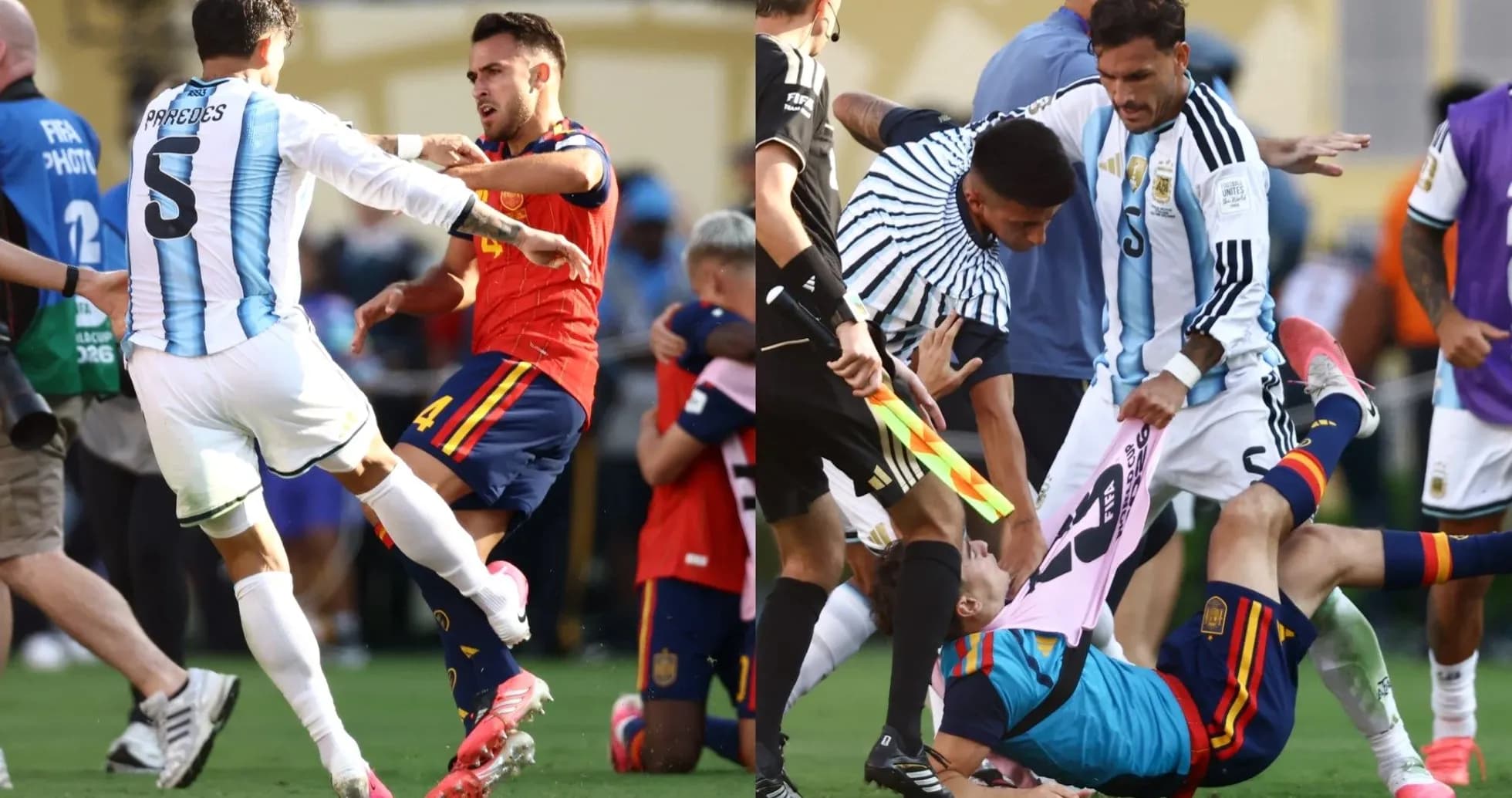
The 32-year-old midfielder received a 10‑match suspension and a £65,000 fine after a series of flashpoints in the post-match brawl. He grabbed Eric Garcia by the throat, struck Gavi in the face, then shoved the teenager to the ground. It was the kind of loss of control that FIFA simply could not ignore.
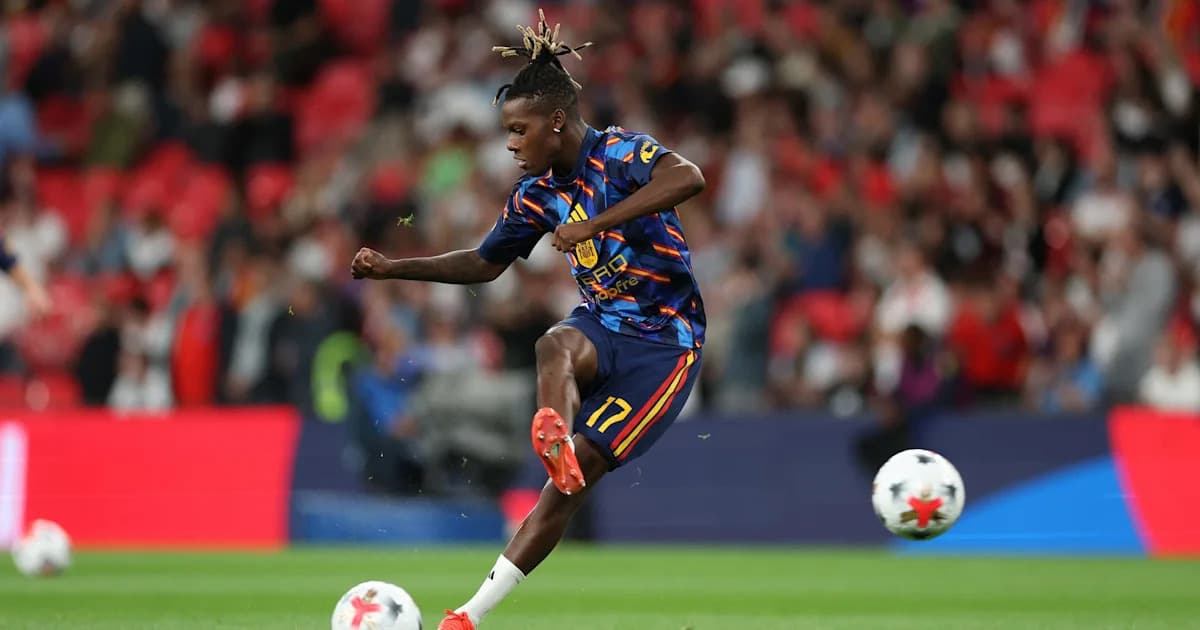
Nahuel Molina did not escape either. The right-back was given a seven‑match ban for striking Spain captain Rodri in the torso, an incident that helped ignite the wider confrontation between the two sets of players. The tension that had simmered throughout a bruising final finally boiled over.
Thiago Almada and Gavi also found themselves in the dock. Both received one‑match suspensions for their roles in the melee, a footnote compared to the lengthy absences facing Paredes and Molina but part of a wider disciplinary picture that has left Argentina scrambling for solutions.
AFA moves fast to limit the damage
The Argentine Football Association did not sit back and accept the blow. It moved quickly, not to erase the sanctions, but to reshape how and when they would hurt.
In a formal statement, the AFA confirmed it had asked FIFA to allow the bans handed out after the 2026 final – and the sanctions against the association itself – to be served in Class A friendlies or official matches, whichever came first. It was a strategic play, and FIFA’s Disciplinary Committee signed off on it in line with current regulations.
That decision changes everything.
Instead of missing major competitive fixtures, Argentina’s suspended players can work through their punishments in exhibition games. The bans remain severe on paper, but their practical impact on future tournaments suddenly looks far more manageable.
The AFA has not dropped its guard, though. It is still waiting for the written justification of the disciplinary decisions and has already signalled its intention to appeal to FIFA’s Appeals Committee. If needed, it is prepared to take the fight all the way to the Court of Arbitration for Sport (CAS). The legal battle may yet run for months.
Political flashpoint and a six‑figure fine
The brawl in the final was not Argentina’s only problem in this World Cup. Trouble had been brewing from the semi-final.
After beating England to reach the showpiece, several Argentina players – including Lionel Messi, Cristian Romero, Giovani Lo Celso and Lisandro Martinez – were filmed celebrating with a banner asserting that the Falkland Islands belong to Argentina. The images travelled quickly and triggered immediate controversy, given FIFA’s strict stance on political messages.
Calls came for individual bans. They did not arrive.
Instead, FIFA chose to punish the AFA collectively. The association received a £235,000 fine, with £73,000 of that amount suspended. The players involved avoided direct suspensions, but the message from Zurich was clear: the political line had been crossed.
The fallout will also be felt in the stands. Argentina must play their next two home matches with a partial stadium closure, capped at 50 per cent capacity. One of those match closures is suspended, but the warning is on the record.
Friendlies, not finals, will clear the slate
The competitive calendar gives Argentina an unusual advantage in dealing with the chaos.
As co-hosts of the centenary World Cup, they already have a guaranteed place at the next tournament. Qualification is off the table. That means their next truly competitive test will not arrive until the 2028 Copa America.
In practical terms, it opens a wide window.
By serving bans in non-competitive fixtures, Argentina can dramatically speed up the return of Paredes, Molina and the others. The AFA is now expected to stitch together a dense schedule of Class A international friendlies, each one another step toward clearing the suspensions and reintegrating key figures.
The image of that stormy night against Spain will linger, the scars visible in both disciplinary records and bank statements. But with time, fixtures, and FIFA’s approval on their side, Argentina have a clear route to wipe the slate before the next major tournament.
The question is simple: when the bans are gone and the stadiums are full again, what version of this team will emerge from the wreckage of 2026?