Arsenal's Summer Clear-Out: Arteta's Bold Decisions
Arsenal’s summer clear-out was always going to provoke a reaction. Letting Leandro Trossard, Gabriel Jesus and Gabriel Martinelli all walk out of the Emirates in the same window was never going to pass quietly through a Premier League still trying to work out exactly what Mikel Arteta is building.
The numbers alone jar. Trossard to Besiktas for £17.1m. Jesus to Barcelona for £8.5m. Martinelli, the crown jewel of the trio, to Al-Hilal for £60m.
Three attackers out, one attacker in. Christos Tzolis arrived from Club Brugge for £34m, the only direct reinforcement for a frontline that has just lost two natural left wingers and a central striker. On paper, it looks thin. In the stands, it feels risky.
Arteta, though, is not blinking.
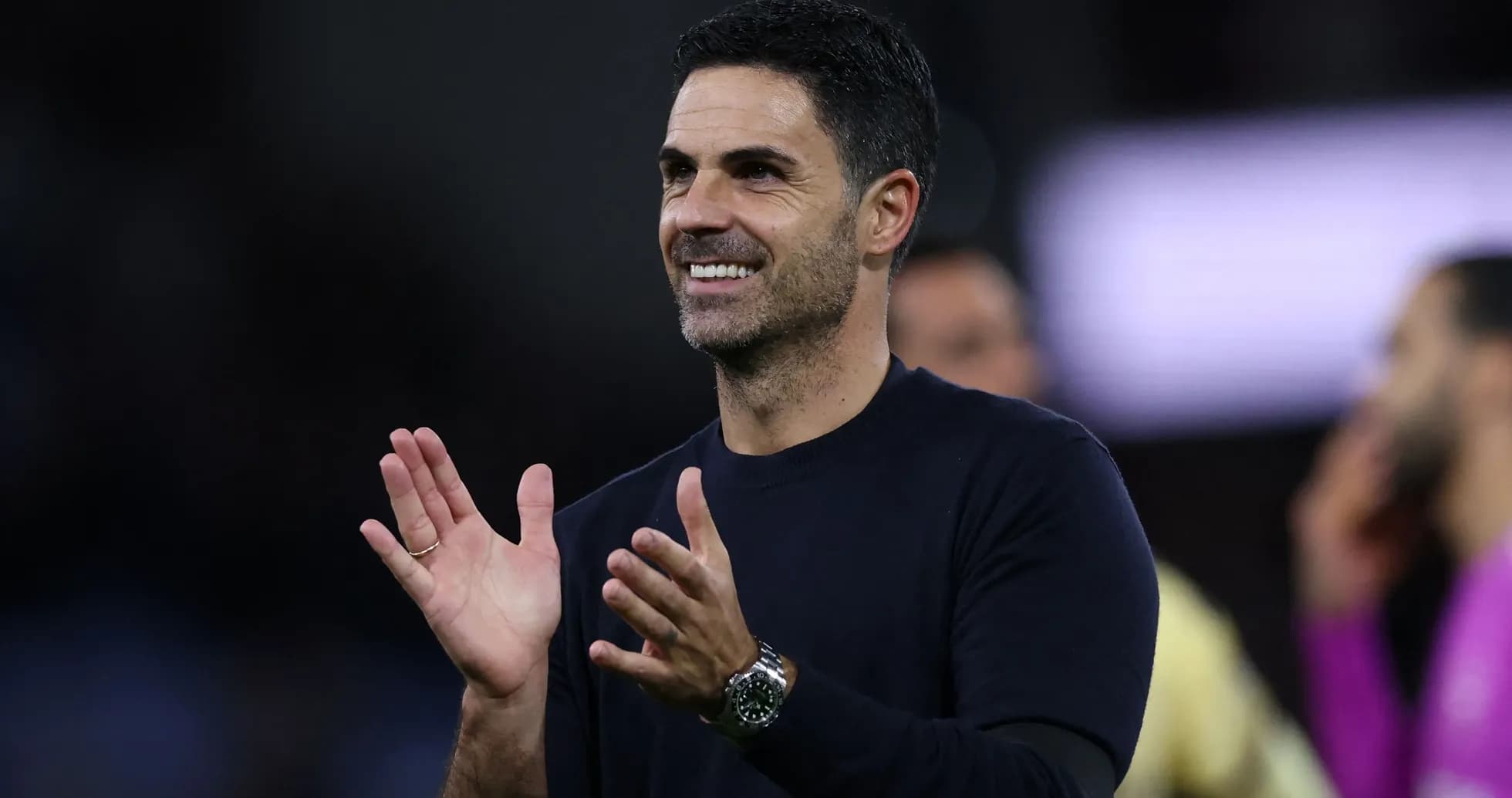
Arteta backs the plan
Asked whether he regrets leaving himself so light in attack, the Arsenal manager pushed back hard.
“No,” he said, before spelling out the logic behind the cull. For him, this was not a sentimental decision, nor simply a balance-sheet exercise. It was about availability, minutes, and the cold reality of who could be relied upon over a full season.
“The selling of players can come from different aspects as well. It's not always the same one. That's part of the responsibility we have at the football club,” Arteta explained. He pointed to the data, particularly over the first six months of last season, as a key driver.
Strip away the emotion and the picture changes. Trossard logged 1,049 league minutes in that period. Martinelli, by contrast, managed just 535. Both missed two league games through injury before the turn of the year. Jesus barely featured at all, only returning in December after an 11‑month ACL layoff.
From Arteta’s perspective, intermittent starts and patchy availability made it easier—if never easy—to rip up a forward line that had become familiar but not always dependable.
“This is what we have and we already have some very good players,” he insisted, as he set out the new attacking hierarchy.
On the left, the responsibility now falls on Tzolis and Eberechi Eze to stretch the pitch and provide the incision Martinelli once offered. Through the middle, Kai Havertz, Viktor Gyokeres and Mikel Merino are the primary options, a blend of physical presence, movement and control that Arteta believes can carry Arsenal through the season.
A poignant farewell for Martinelli
For many Arsenal supporters, the departure that stung most was Martinelli’s. Seven years in North London, a player who grew from raw teenager into a symbol of the club’s resurgence under Arteta. His sale to Al-Hilal felt like the end of a chapter.
Arteta did not hide the emotion.
“With Gabi, I have gratitude. It's been a pleasure to work with him and be part of his journey,” he said. “The Gabi I met and the one that just left had a huge transformation both personally and professionally.”
He talked about Martinelli’s impact, his ambition, his love for the game, and the way he helped Arsenal grow and hit their targets. “He has been a critical player. The story ends, and we wish him all the best in a different one.”
The words were warm, but the decision was ruthless. That is the tension running through Arsenal’s summer: affection for what was built, and a willingness to tear parts of it down in search of something sharper.
Ambition questioned, conviction unchanged
Some fans have not been shy in voicing their doubts. They remember Arteta standing in the aftermath of the Champions League final, promising Arsenal would be “very ambitious, fast and smart” in the market. They look at a window that ended without a late flurry of attacking arrivals and wonder where the “fast and smart” part landed.
Arteta, again, stood his ground.
Asked if those criteria had really been met, he did not hedge. “100 per cent ticked,” he replied. The execution, he admitted, can always diverge from the plan. “The outcome after can be different to what you expect, but the intention was certainly there, which is what I value the most.”
In other words, judge the club not just on who came through the door, but on the clarity of the decisions made. He is betting that a leaner squad, reshaped around players he trusts to stay fit and fit his system, will prove him right when the games start to pile up.
Derby on the horizon, fitness in focus
All of this unfolds against the backdrop of a London derby, the kind of fixture that quickly tests the wisdom of any summer strategy.
Arteta delivered a mixed medical bulletin. Bruno Guimaraes is a doubt after missing training, though the manager sounded cautiously upbeat.
“He had a knock against Villa and he's been assessed. He will probably be okay for training tomorrow,” Arteta said.
Defensive concerns were eased slightly by news on Mosquera and Jurrien Timber. Mosquera’s withdrawal against Aston Villa, Arteta stressed, was mainly a precaution. “We will have to see how he feels in the session tomorrow.”
As for Timber, there was a rare slice of unqualified good news. “Jurrien is in really good condition. He's been on the pitch for a few weeks and training with us, so he's in a good place. We will decide tomorrow after training if he is available.”
So Arsenal roll into derby week lighter in numbers, heavier in scrutiny, but utterly clear in conviction. The market is closed. The arguments are not. The next 90 minutes will show whether Arteta’s bold summer surgery leaves his side exposed—or sharper than ever.