Arsenal's 2-0 Win: A Flashpoint in Refereeing Controversy
Arsenal’s 2-0 win at the Stadium of Light should have been a routine marker of champions’ efficiency. Instead, it became another flashpoint in a season increasingly defined by the tension between dugouts and officials.
The scoreline was comfortable. The storyline was anything but.
The flashpoint that lit the fuse
With the game goalless, Sunderland swung in a corner and chaos followed. Ezri Konsa tangled with Dan Ballard, both men wrestling for position in the box. Stuart Attwell pointed to the spot, penalising Konsa for grappling.
VAR checked it. The decision stood.
Inside the stadium, it felt like one of those penalties you see given one week and waved away the next. Arsenal went on to win 2-0, but Mikel Arteta walked into his post-match duties with only one subject on his mind.
He called the penalty “unacceptable”. Not soft. Not debatable. Unacceptable.
The word hung in the air. This was not a manager grumbling about a marginal call after dropping points. This was the Premier League champion, after a victory, choosing to turn the spotlight directly on the officials.
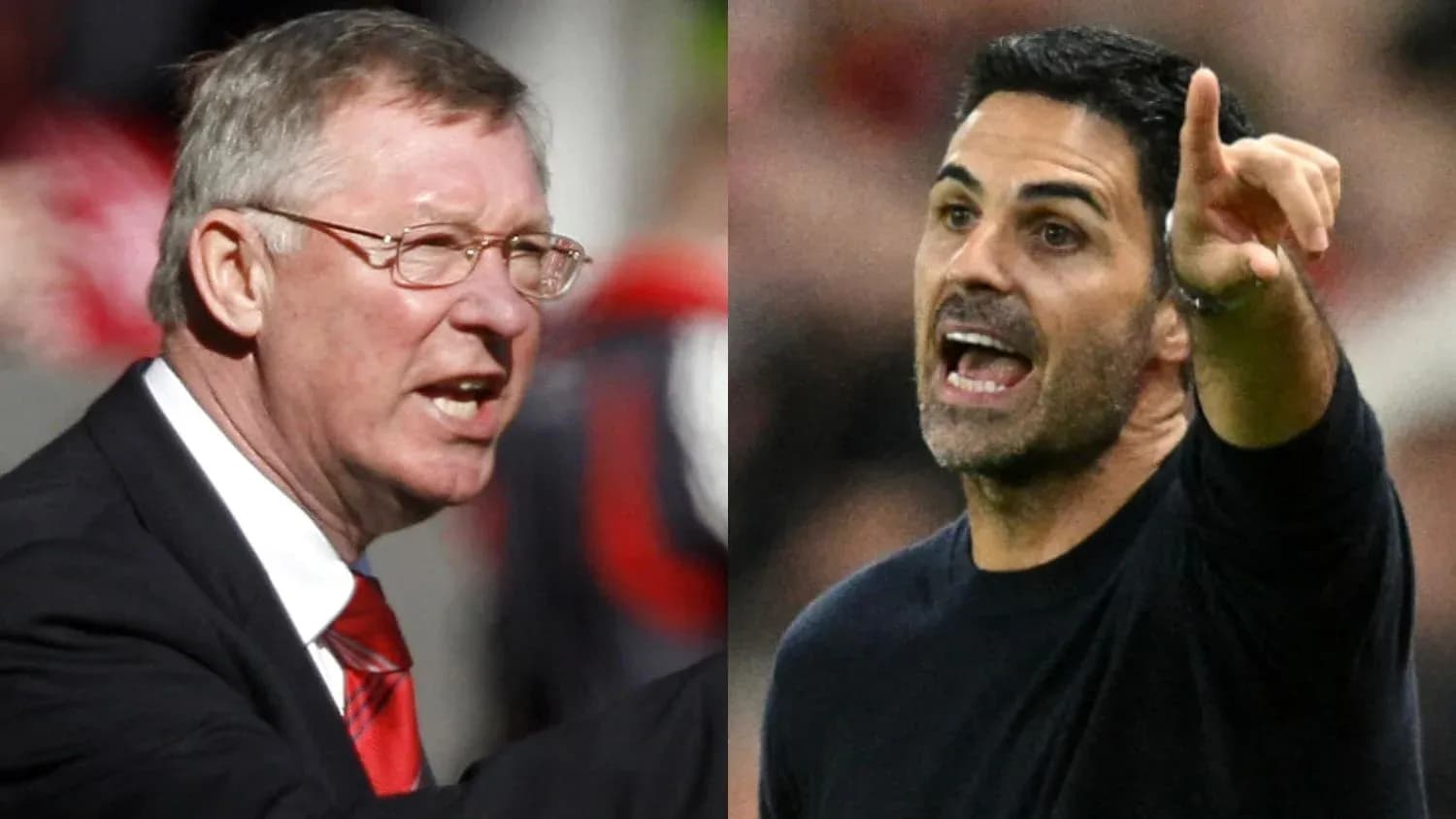
Carragher: “This was Arteta becoming Sir Alex”
On Monday Night Football, Jamie Carragher didn’t bother to dilute the comparison.
“This was Mikel Arteta becoming the Sir Alex Ferguson of the Premier League right now,” he said on Sky Sports. “He's the don at the moment; he's the Premier League champion.”
Carragher’s point was not about playing style or trophies. It was about power.
“A lot of new managers about... he's been in his role for six or seven years,” Carragher continued. “He feels he's in a position of power to say, 'Yeah, it wasn't a penalty.' And I don't think it was a penalty.”
The former Liverpool defender saw something deliberate in Arteta’s fury. Not a loss of control, but the opposite: a manager fully in control of the message he wanted out there.
One journalist after another tried to move the conversation on. Arteta refused. Whatever the question, he steered it back to the same incident, the same grievance, the same word.
A narrative, not a rant
Carragher framed it as a calculated hijack of the post-match platform.
“One of the journalists made a point about, no matter what question you asked him, he kept going back to the penalty,” he noted. Arteta, he argued, “was determined to get the narrative out that this won't happen again to his club.”
This is the old playbook. Sir Alex Ferguson used it for years at Manchester United. Jose Mourinho weaponised it at Chelsea and beyond. Apply pressure in public, force referees and their bosses to feel the heat in private.
Arteta now appears to be playing the same long game.
His anger feeds into a wider discontent with Pro Ref, English football’s refereeing body. Reports suggest Arsenal plan to escalate the Konsa-Ballard incident formally, demanding explanations over how Attwell and VAR reached that decision.
Carragher sees the strategy clearly: “It'd be interesting to see how long it takes for another referee to give a penalty against Arsenal in a similar situation.” That is the point. Plant the seed of doubt in the next referee’s mind. Turn one controversial call into future hesitation.
A weekend to forget for officials
The timing could hardly be worse for Pro Ref.
The Konsa decision arrived on the back of a grim weekend for Premier League officials. The body has already admitted to a major error in the Manchester derby, accepting that Enzo Fernandez was offside in the build-up to Erling Haaland’s decisive goal.
The fallout was swift. The VAR team from that match has been stood down for the next round of fixtures, a public acknowledgement that standards fell short.
Layer that on top of Arsenal’s anger and the picture is stark: a refereeing body under siege from multiple directions, its credibility chipped away by its own confessions and by the league’s most powerful managers lining up their complaints.
Arteta’s balancing act
For Arteta, the challenge now is to ensure the noise does not swallow the football.
Arsenal’s schedule offers no time for sulking. Ipswich Town visit the Emirates in the Carabao Cup on Tuesday night, a tie that should allow rotation but will still demand focus. The cup may not define Arsenal’s season, but it can sharpen or blunt momentum.
Then comes a more awkward assignment: a trip to Brighton in the league. The Gunners have opened the campaign perfectly, banking points and projecting authority. That kind of start can evaporate quickly if the conversation drifts from performances to persecution.
Arteta has made his move in the refereeing debate. He has thrown his weight around, as Carragher framed it, like a manager who knows his status and intends to use it.
The question now is simple: will Arsenal’s season be remembered for the pressure they applied on officials, or for the pressure they apply on every opponent in front of them?