Arsenal's Title Defence and the No.9 Dilemma
Arsenal’s title defence is gathering pace, the Champions League anthem will soon be echoing around the Emirates again, and yet the same old question hangs in the North London air: who is really leading this attack?
Viktor Gyokeres was supposed to be the answer. The big-money signing of 2025 arrived as the latest attempt to solve Arsenal’s long-standing No.9 riddle, a physical, hard-running Swedish striker dropped into a side that looked one elite finisher short of greatness. Twenty-one goals in his debut season across all competitions is no small return, especially in a team learning to live with the weight of expectation. On paper, he delivered.
On the pitch this season, he is still waiting to fully convince.
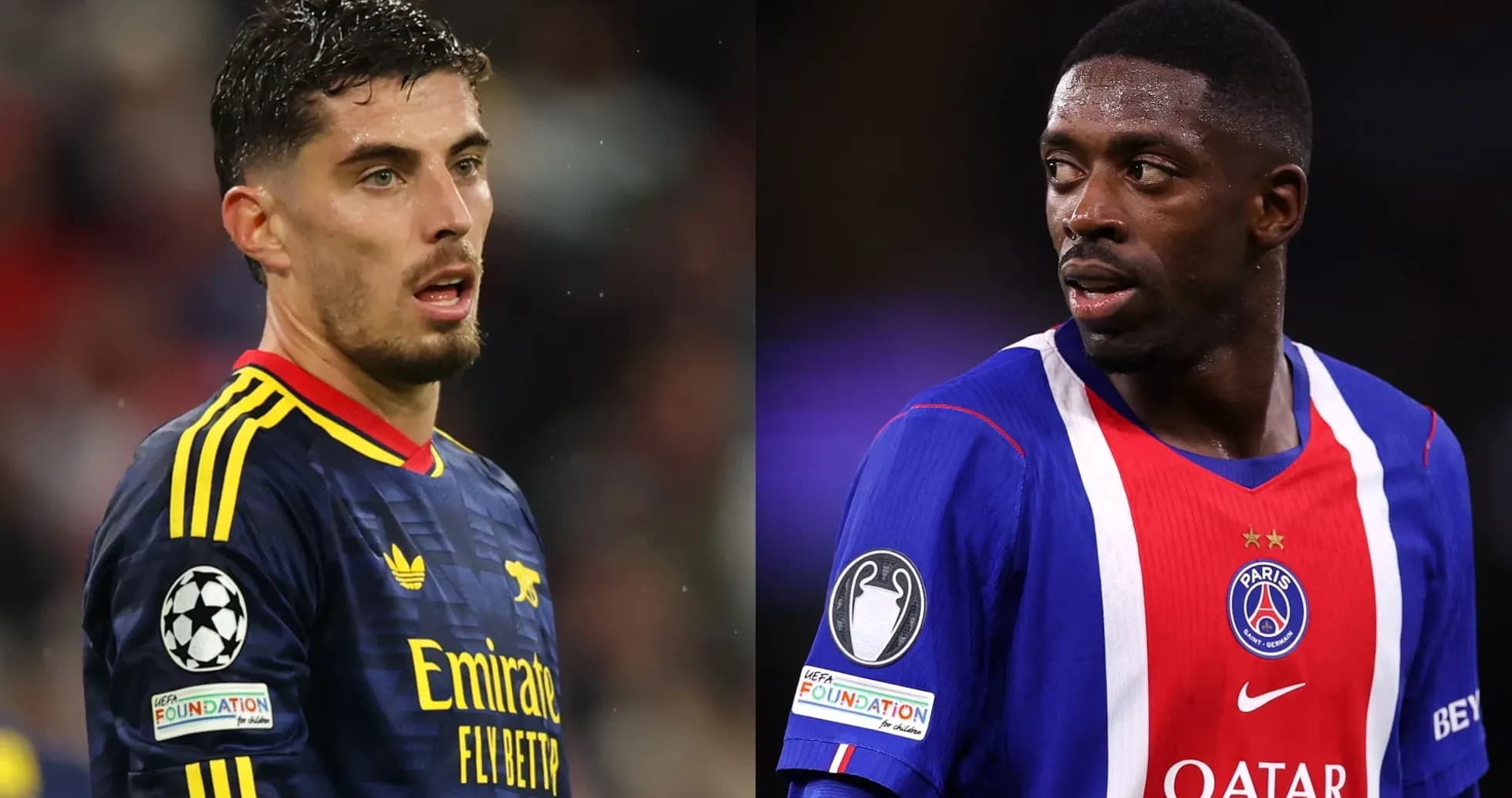
Gyokeres has started only one Premier League game in the current campaign. Instead, Kai Havertz has been trusted to carry the load through the middle, a false nine by nature being asked to play a very real role in a very serious title race. Havertz has four goals to his name so far, having opened his 2026-27 account in the Community Shield, but he does not yet resemble the ruthless, penalty-box predator Arsenal fans have craved since the days when their centre-forward terrified defenders by reputation alone.
The numbers are not disastrous. They are not decisive either. And that is where the doubt creeps in.
This is a club still haunted by the memory of how close they came last season. Arsenal stood on the brink of a first Champions League crown, only to feel it ripped away in the most brutal fashion: a penalty shootout defeat to PSG in the 2026 final. The margins were tiny, the pain enormous. When a team falls that narrowly short on the grandest stage, every detail gets questioned. Every role, every position, every missed chance.
And so the spotlight swings back to the centre-forward.
PSG offer a tempting counter-argument. The French champions often line up with a fluid, shape-shifting front line. Ousmane Dembele, Desire Doue and Khvicha Kvaratskhelia drift into pockets, rotate zones, and attack space rather than sticking to chalkboard positions. It is chaos, but it is choreographed chaos, and it works. Barcelona once thrived in a similar way under Pep Guardiola, and even now they operate without a traditional, old-school No.9 at the tip of their attack.
Can Arsenal really follow that template? Can they outgun the best of France, Spain and Germany without a fearsome, fixed-point striker driving their European charge?
William Gallas does not think so.
The former Arsenal defender, speaking to GOAL in association with SeatPick, did not hesitate when asked if his old club could emulate PSG’s striker-less success. “I think it's only PSG who can play without a striker,” he said. “They’re the only team that can still win games and win the Champions League without a striker. Luis Enrique has played without a striker who is a real number nine for many years so he conducts that system perfectly.
“For Arsenal and Mikel Arteta, I think he really needs that number nine who can help him win these important games and score that important goal and right now, it looks like they don't have that number nine.”
That is a blunt verdict, and it cuts to the heart of Arsenal’s dilemma. Arteta has built a side that dominates territory, controls tempo and squeezes opponents until they crack. The defending champions already sit five points clear at the top of the Premier League, a position that suggests a machine in full working order. The system is strong. The patterns are clear. The belief is obvious.
Yet when the conversation turns to Europe, to those suffocating knockout nights when one chance can define a season, the discussion always circles back to the same theme: who scores the goal when everything else breaks down?
Domestic form offers encouragement and warning in equal measure. Arsenal have already stumbled once in knockout football, suffering a shock Carabao Cup exit at the hands of League Two side Fleetwood. That defeat stripped Arteta of a useful pressure valve, a competition where minutes can be spread, frustrations eased and fringe players reminded they are still part of the story.
They will launch another FA Cup campaign in 2027 and remain unbeaten in four European fixtures so far, with heavyweight clashes against Borussia Dortmund and Real Madrid looming on the horizon. Those games will stretch the squad, test the rotation, and shine a harsher light on those waiting in the wings, Gyokeres among them.
For players on the fringes, the calendar cuts both ways. More competitions mean more opportunities. Fewer cups mean fewer lifelines. Gallas understands the psychology of that grind all too well.
“Unfortunately, Arsenal are out of the Carabao Cup now and that can be a good competition to make players happy, to make players feel that they are part of the project,” he said. Early in the season, everyone believes. Everyone fights. Everyone trains like the next game will be theirs.
Then reality arrives.
“Slowly, slowly, when you are fighting, when you are training very hard, and then on the weekend you are not in the starting eleven or you are not on the list for the weekend, slowly, slowly your excitement starts to drop,” Gallas explained. The winter months bite hardest. November, December, January: the schedule thickens, the weather turns, and players who once attacked every session with fire start walking into training knowing the team sheet is already written without them.
“You suddenly as a player you are not the same,” Gallas said. “You go to training but not really with the same motivation because before you even set foot on the training ground, you almost know you won't be in the starting XI for the weekend or you won't be on the list. That is very difficult sometimes for the players.
“That's why they have to be really, really strong and Mikel Arteta, he knows how to communicate with his players, to keep their seasons alive.”
That man-management may prove as important as any tactical tweak. Arteta must keep Gyokeres sharp, Havertz confident, and the rest of his attacking options convinced that their moment will come, even as the stakes rise and the margin for error shrinks.
Arsenal are winning now, defending their title with authority and marching towards another European spring. The system is humming. The squad is deep. The belief is real.
But until someone truly claims that No.9 shirt, the question will not go away: when the next Champions League final hangs on a single chance, who finishes it?