Asian Games Accommodation Crisis: Athletes Cramped in Shipping Containers
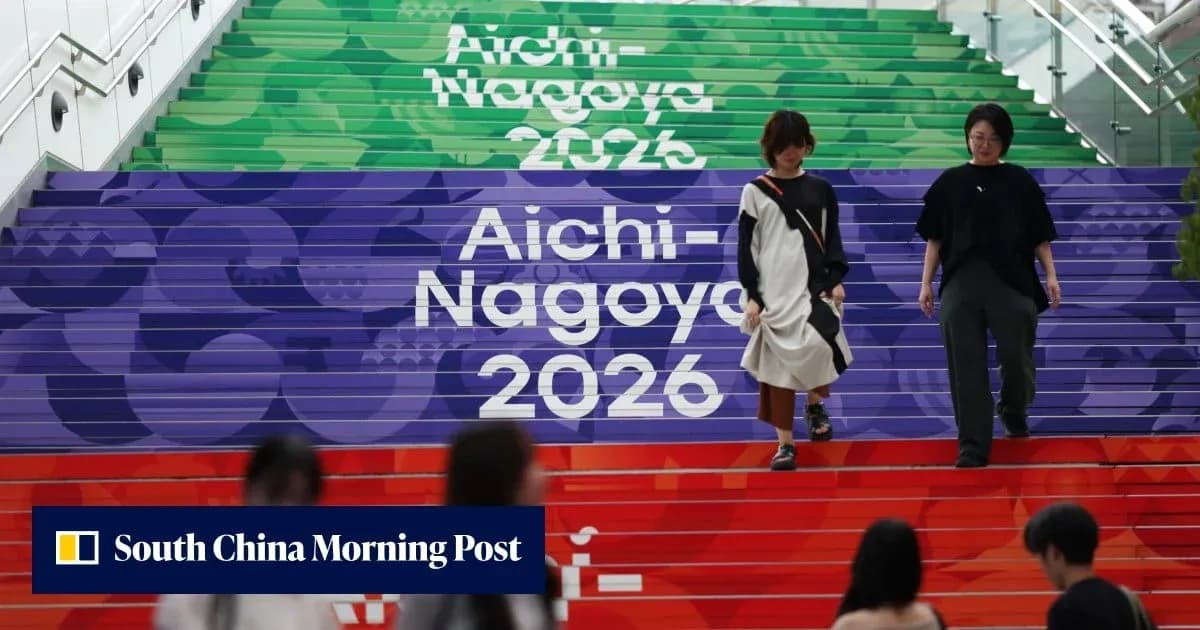
The football has started. The basketball is under way. But in Nagoya, the first roar of the Asian Games is not coming from the pitch or the court. It’s coming from the accommodation.
South Korean officials on Monday branded the housing arrangements the “worst ever”, a damning verdict for a showpiece event that has long sold itself on efficiency and organisation. This time, the story is very different.
There is no traditional athletes’ village in Nagoya. No sprawling complex of apartments, no central hub where competitors from across the continent mingle between events. Instead, organisers have stitched together a patchwork solution: a cruise ship, temporary wooden cabins, hotels scattered around the city, and rows of shipping container-style huts.
It is those containers that have triggered the loudest complaints.
A South Korean basketball chief described beds in the metal units as too short for players to stretch out properly, an extraordinary detail in elite sport, where recovery and comfort are non-negotiable. These are athletes who spend years shaving fractions off times and fine-tuning every detail of preparation, only to find themselves curling up on undersized mattresses in makeshift rooms.
Officials from the Philippines, faced with the same problem, decided not to risk it. They turned to Airbnb, opting out of the official set-up altogether in search of something more suitable for their delegation. When national teams are scrambling for private rentals on the eve of a major Games, something has clearly gone wrong.
Cost-cutting sits at the heart of this experiment. By forgoing a purpose-built village, organisers aimed to slash the bill and avoid the “white elephant” legacy that has haunted past multi-sport events. A cruise ship docked as a floating hotel, rows of wooden cabins, budget hotels pressed into service – on paper, it looks inventive. On the ground, South Korea says it feels like a serious miscalculation.
Officials have warned of “a serious shortage” of rooms overall, raising the prospect of logistical headaches as more athletes and staff arrive in the coming days. The Games officially open on Saturday, but the early-start sports are already living the reality of these choices.
Football and basketball have kicked off ahead of the opening ceremony, and the contrast between the scale of the competition and the spartan backdrop is striking. On Monday, Hong Kong’s women’s football team began their campaign with a bruising 5-1 defeat to China. It was a heavy scoreline to digest, and they did so in a tournament environment dominated not by talk of tactics or form, but by questions about where everyone is sleeping.
The action on the field will gather pace as more teams and stars arrive. The question now is whether the accommodation storm dies down once the Games hit full speed, or whether the images that endure from Nagoya will be of late goals and gold medals – or of world-class athletes trying to stretch out on beds that simply don’t fit.