Bacary Sagna's Concerns Over Premier League Transfer Fees
Bacary Sagna has watched this transfer window unfold with a mixture of admiration and alarm.
The former Arsenal and Manchester City full-back, now looking in from the outside, sees the Premier League awash with money again. Record fees, dizzying numbers, another summer in which the market has been stretched a little further out of shape.
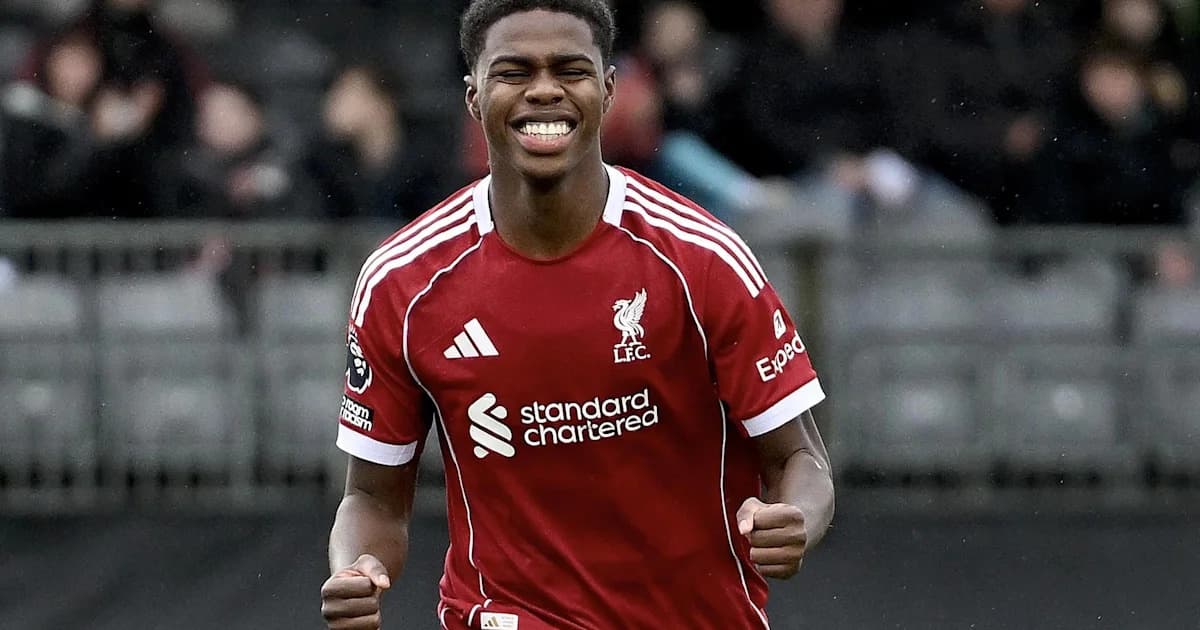
Chelsea have once more planted themselves at the centre of the storm, with deals involving the likes of Morgan Rogers and Enzo Fernandez adding fresh weight to an already swollen balance sheet. Liverpool, too, have pushed hard, landing Champions League winner Barcola in one of the window’s headline moves.
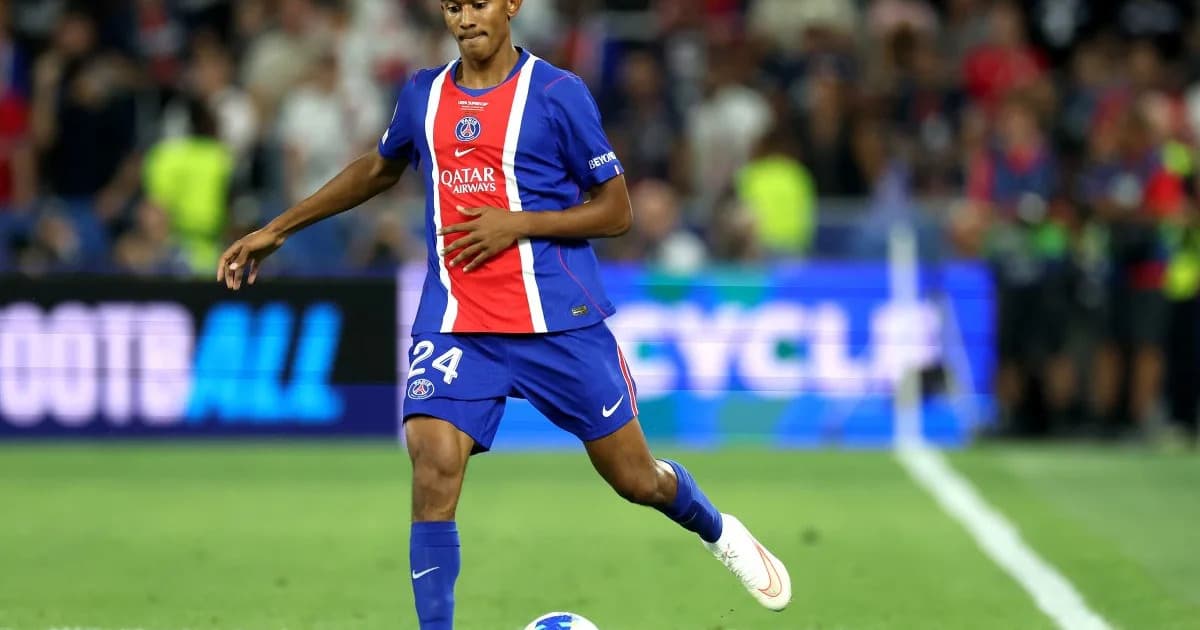
The 24-year-old, who shone at Lyon before making his name at Paris, arrives at Anfield as the latest lavish bet on potential. The talent is obvious. The price is staggering.
Sagna, speaking to GOAL in association with BetVictor Online Casino, did not hide his concern over the size of the fee or the direction of travel.
“Barcola is an amazing player but he's young, he's 24 now, he has proven himself at Paris and in Lyon previously but this has to stop,” he said. “He went for 123 million, no? That's a lot of money if he's evaluated now.”
He understands the logic of a market that feeds off itself. One big fee justifies the next. A £100m player sets the bar for the one deemed “better than them”. The numbers climb again.
“I know that we can't compare generations and I know the world is moving and economically it's not the same. Proportionally, yes it makes sense because you sell other players for 100 million and he's better than them, but it doesn't make sense,” Sagna argued.
That is the contradiction at the heart of the modern game: internally consistent, externally absurd.
“They should have limit. For me it doesn't remove anything on his quality, he's a top player and I think he's going to be good at Liverpool, but for me this is crazy, this is 123 million. They should have a limit and they should set up a limit because in five years what's going to happen? Players will leave for 500 million?”
Sagna’s worry stretches beyond one deal, one club, one window. He sees loyal supporters squeezed as fees rise “across the board”, ticket prices and associated costs creeping up to feed the machine. The business booms. The bill lands on the terraces.
He has lived through football’s transformation into a global entertainment giant. He accepts the commercial reality, even appreciates what it has brought. But he believes the sport is drifting into dangerous territory without stronger financial guardrails.
“You know it's football, a business, it's good football became a business but any business going high also has its bad side and danger,” he said.
That danger, in his eyes, is a game with no brakes. A market with no ceiling. A regulatory landscape too weak to keep up with the money flowing through it.
“So to regulate football rules and football financial rules you have to be very smart because soon something like we saw with FIFA trying to sell the World Cup will happen and I'm not surprised. I'm not surprised because there is no limit, there is no financial rules anymore. Any player can leave for any kind of money.”
The reference is clear: governance scandals, questions over hosting rights, a governing body dragged into the spotlight for all the wrong reasons. For Sagna, that chaos is a symptom of a deeper problem — a sport that has allowed its fundamentals to be bent by financial power.
“There have to be rules and roots,” he insisted. “When you were educated, you have 60 per cent from when you are little, you were grounded in that, and then of course you will develop yourself on the other 40. Football has to be the same.”
The basics, he believes, should be untouchable. Strip them away, and the structure starts to shake.
“The basics will never change if you start touching the most important things and you get trouble. When I see all the problems with FIFA being attacked by everyone, I'm not surprised. And this is the same for players.”
His warning stretches forward. If the current trajectory continues, he expects conflict — between players and clubs, between clubs and regulators, between the elite and the rest.
“Soon you will have players complaining and clubs complaining and clubs being out of the financial fair play, so top clubs will control it and you'll have to bring other clubs that are not going to have the same quality,” Sagna said.
That is the future he fears: a closed circle of super-clubs dictating terms, a chasing pack stripped of competitiveness, a product weakened by imbalance.
“The image rights will be damaged because if you don't have the same quality, then you don't have the same money, and when you start going down that path it is difficult to stop. We need to be careful.”
Liverpool will hope Barcola justifies every penny and becomes another Anfield success story. Sagna’s question lingers behind the celebrations: how far can these numbers climb before the sport finally decides it has had enough?