Ballon d’Or 2026 Nominees Unveiled: A Star-Studded Race
The Ballon d’Or race for 2026 has its field – and it is loaded.
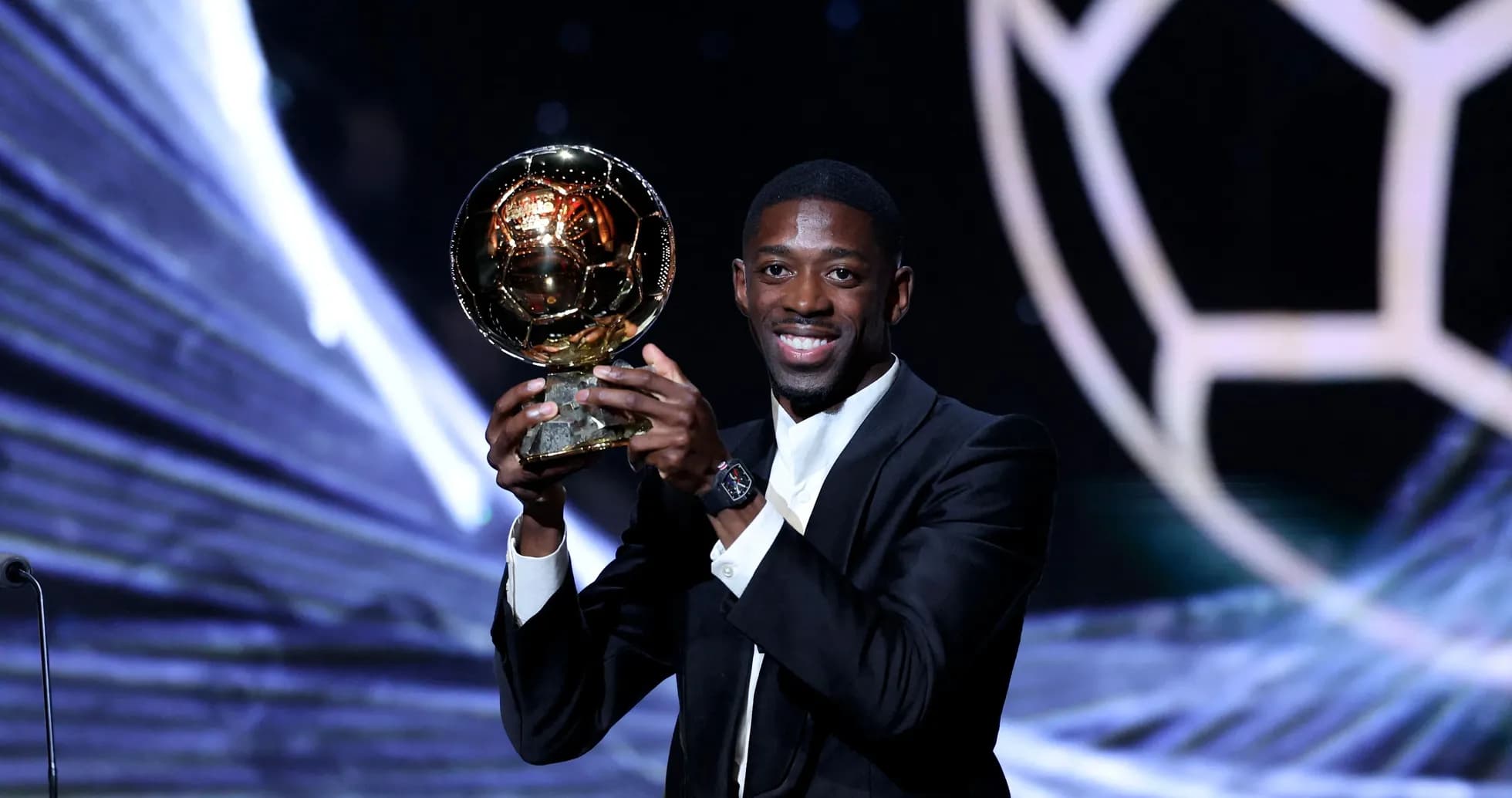
France Football, working with UEFA, unveiled the full list of nominees on Tuesday evening, confirming a star‑studded cast for the game’s most coveted individual prize. The winner will be crowned on 26 October, when the Ballon d’Or gala leaves its traditional Paris backdrop and lands in London for the first time in the award’s history. A different city, the same ruthless spotlight.
London prepares for a new king
That night will be more than a single envelope and a golden trophy. The ceremony will also decide the “Yashin” award for best goalkeeper, the “Kopa” award for best young player, and honours for best coach, best club and a cluster of other categories that now orbit the main prize. But the centre of gravity remains the Ballon d’Or itself – and this year’s shortlist underlines just how fractured, and fascinating, the elite game has become.
Kylian Mbappé, now of Real Madrid and still the spearhead of France, stands front and centre. Lionel Messi, the enduring heartbeat of Inter Miami and Argentina, is there again, refusing to slip quietly into the background. Rodri, the metronome of Spain who has traded Manchester City for Barcelona, carries the weight of both a treble-winning past and a World Cup‑shaping summer.
They are the headline acts, but they do not stand alone.
Spain and PSG set the tone
The list is heavy with players who defined last season and the 2026 World Cup. World champions Spain and European champions Paris Saint‑Germain dominate the field, a reflection of two teams that bent the game to their will.
From Barcelona, Lamine Yamal’s inclusion feels symbolic as much as statistical: a teenager who has already become a reference point for both club and country. Pau Cubarsí and Ferran Torres join him, underlining Barça’s continued influence on the conversation.
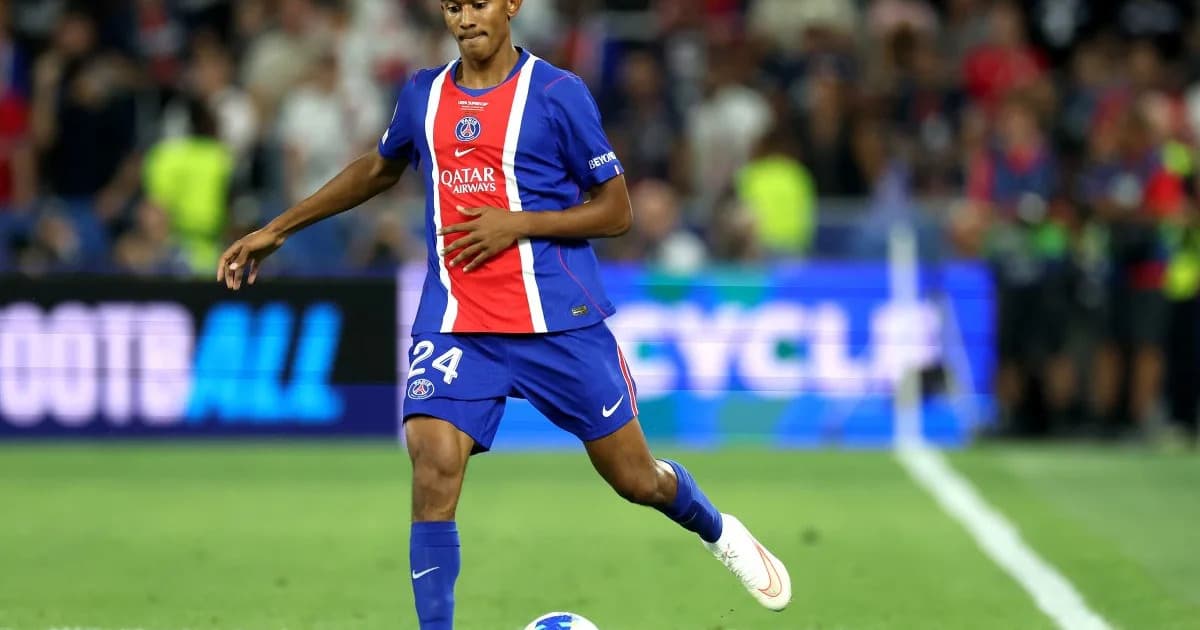
PSG’s presence is even more pronounced. Ousmane Dembélé, last year’s Ballon d’Or winner and still the sharpest of blades for club and country, returns to defend his crown. Around him stand Marquinhos, Achraf Hakimi, Nuno Mendes, João Neves, Vitinha, Khvicha Kvaratskhelia, Willian Pacho and Fabián Ruiz – the latter fresh from the rare double of Champions League and World Cup glory with Paris Saint‑Germain and La Roja. Few clubs have ever dominated a shortlist quite like this.
Bayern Munich, Arsenal, Real Madrid, Manchester City and Inter Milan all place key figures on the list, but the pattern is clear: the axis of power has shifted towards Paris and the Spanish national side.
New power bases, old absences
There is another story running through the nominations: the pull of the Saudi Roshn Pro League. Two of its forwards make the cut. Sadio Mané, now at Al‑Nassr and still a talisman for Senegal, forces his way back into the global conversation. Julián Quiñones, the prolific Mexican at Al‑Qadsiah, joins him, a reminder that goals – wherever they are scored – still command attention.
Just as striking are the names that do not appear.
Cristiano Ronaldo, captain of Al‑Nassr and long a permanent fixture on this list, is absent. So is Mohamed Salah, once the icon of Liverpool and now at Trabzon, still the standard‑bearer for Egypt but not, this time, for the Ballon d’Or panel. Barcelona and Brazil winger Raphinha misses out, as does Pedri, the Barcelona and Spain midfielder who once looked destined to become a perennial nominee.
For a decade and a half, the Ballon d’Or roll call felt almost pre-written. Messi and Ronaldo at the top, a rotating cast beneath. This year’s sheet tells a different story: a generation turning, allegiances shifting, the old certainties eroding.
The 2026 Ballon d’Or nominees in full
- Jude Bellingham (Real Madrid, England)
- Pau Cubarsí (Barcelona, Spain)
- Marc Cucurella (Chelsea, Spain)
- Ousmane Dembélé (Paris Saint‑Germain, France)
- Luis Díaz (Bayern Munich, Colombia)
- Bruno Fernandes (Manchester United, Portugal)
- Gabriel (Arsenal, Brazil)
- Erling Haaland (Manchester City, Norway)
- Achraf Hakimi (Paris Saint‑Germain, Morocco)
- Harry Kane (Bayern Munich, England)
- Khvicha Kvaratskhelia (Paris Saint‑Germain, Georgia)
- Lamine Yamal (Barcelona, Spain)
- Sadio Mané (Al‑Nassr, Senegal)
- Marquinhos (Paris Saint‑Germain, Brazil)
- Lautaro Martínez (Inter Milan, Argentina)
- Kylian Mbappé (Real Madrid, France)
- Nuno Mendes (Paris Saint‑Germain, Portugal)
- Lionel Messi (Inter Miami, Argentina)
- João Neves (Paris Saint‑Germain, Portugal)
- Michael Olise (Bayern Munich, France)
- Willian Pacho (Paris Saint‑Germain, Ecuador)
- Julián Quiñones (Al‑Qadsiah, Mexico)
- Declan Rice (Arsenal, England)
- Rodri (Manchester City, Spain)
- Fabián Ruiz (Paris Saint‑Germain, Spain)
- William Saliba (Arsenal, France)
- Ferran Torres (Barcelona, Spain)
- Dayot Upamecano (Bayern Munich, France)
- Vinícius Júnior (Real Madrid, Brazil)
- Vitinha (Paris Saint‑Germain, Portugal)
Somewhere in that group sits the next name to be etched into football history. On 26 October in London, under the lights and the lenses, we find out which era this Ballon d’Or truly belongs to.