Ballon d'Or Contenders: Rodri, Mbappe, Kvaratskhelia and More
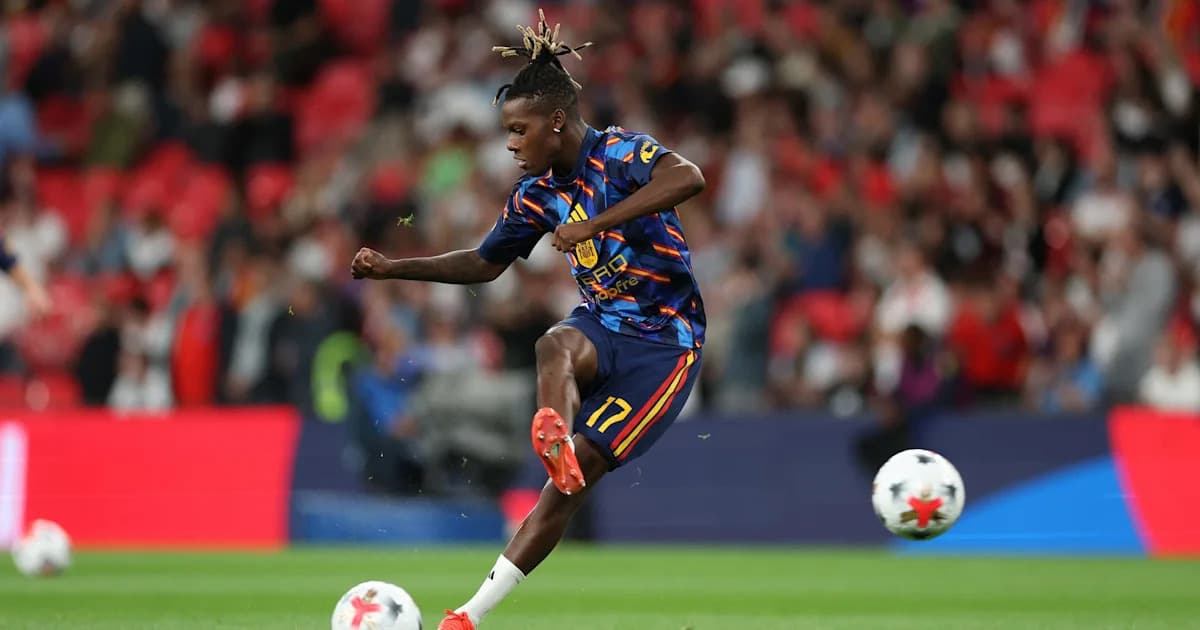
In a World Cup year, the unofficial crown of “best player on the planet” usually finds its way to the hands holding the biggest trophy. Spain’s triumph on North American soil has pushed their stars to the front of the conversation, and two names carry particular weight: Rodri, fresh from lifting the 2024 Ballon d’Or, and his new Barcelona teammate Lamine Yamal, the teenager who seems to bend pressure to his will.
They are not alone in the race.
Harry Kane has just come off a season that would define most careers. Sixty-one goals for Bayern Munich, a haul that underlined his status as one of the game’s most ruthless finishers. Yet the one line missing from his résumé still stings: no Champions League title in 2026. In an era where the biggest individual prize is often chained to the biggest club trophy, that absence matters.
Paris Saint-Germain did not blink on that stage. They went back-to-back in the Champions League, a statement of dominance that keeps the door wide open for one of their own to walk away with the Golden Ball. Ousmane Dembele has a case. So do several of his teammates at Parc des Princes, each of them operating under the glare that comes with serial European success.
Bacary Sagna believes the winner will come from that level of influence, not just from the usual headline names.
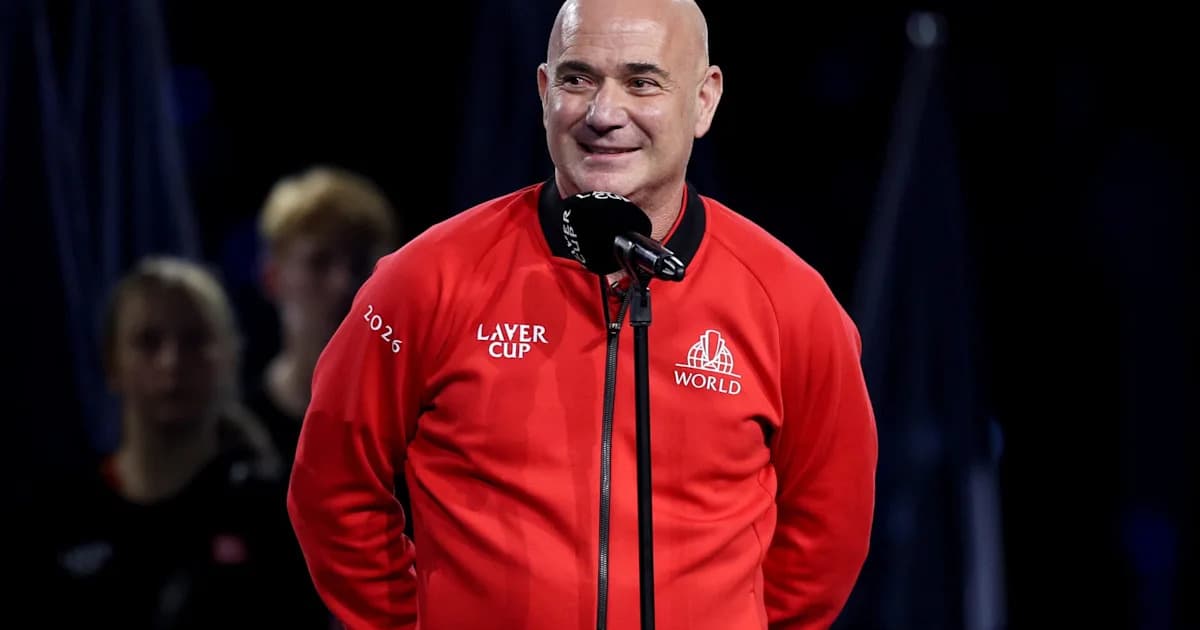
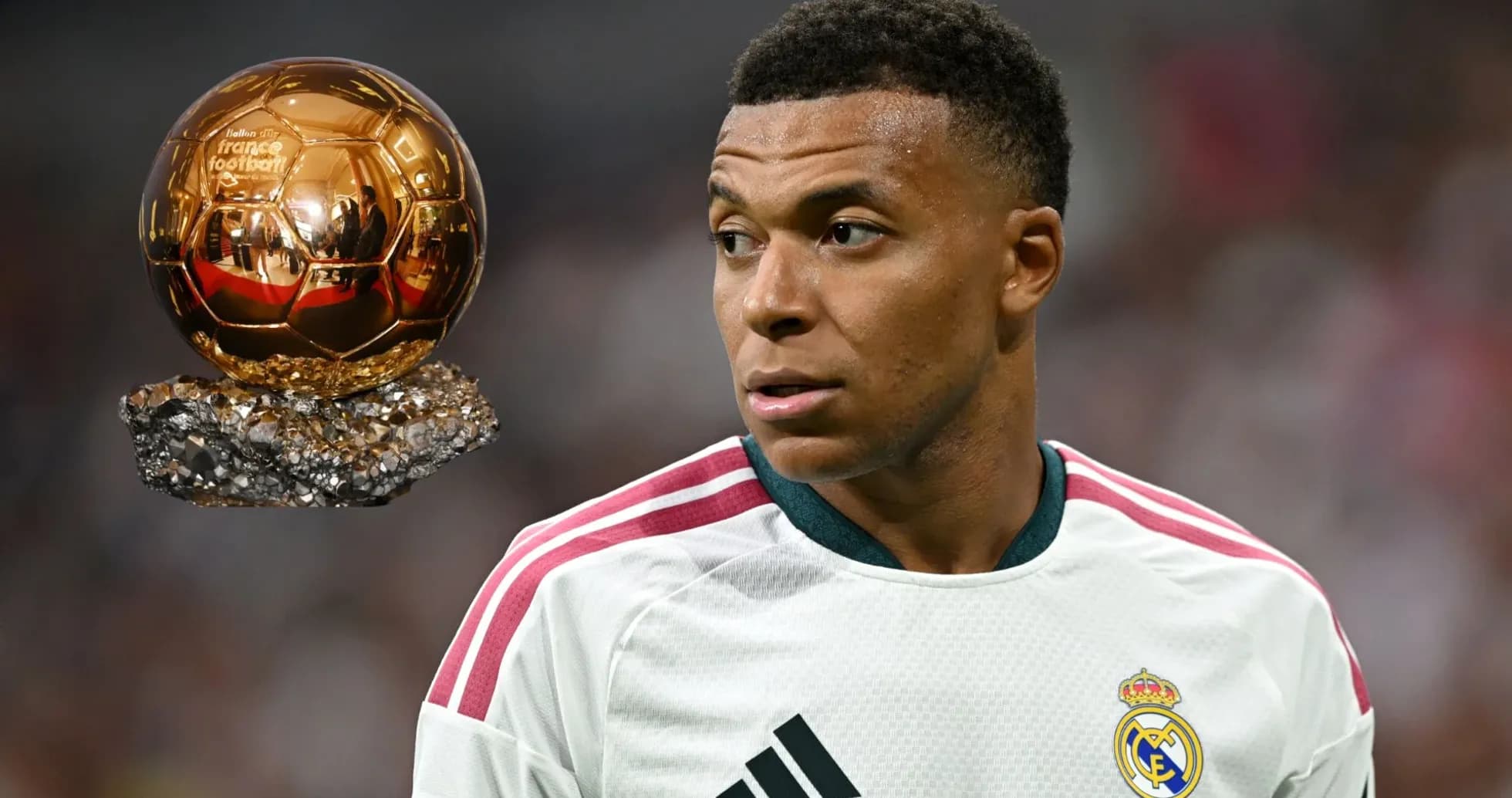
The former Arsenal and Manchester City defender, speaking to GOAL, did not hesitate when the subject turned to Kylian Mbappe and the Ballon d’Or. “For me the best at the minute, he's in the top three,” Sagna said. Mbappe, he argued, has had “an amazing year” and sits among the elite, helped by the simple truth that strikers live closer to the spotlight. Goals tilt votes. They always have.
Yet Sagna’s vote would go elsewhere.
“For me, Kvara deserves the Ballon d'Or,” he insisted, singling out Khvicha Kvaratskhelia. The Georgian winger, he argued, delivered a “phenomenal” campaign, shaping games from the flank and driving his team’s success. Even without a Champions League title on his CV, Sagna believes the players inside the dressing rooms know who truly dictated last season. In his eyes, that was Kvaratskhelia.
Mbappe’s World Cup exploits still echo. His avalanche of goals, his ability to drag France to the brink and then beyond, reaffirmed his status as a generational talent. Sagna admitted the pride he feels, not just as a compatriot but as a football lover watching a player perform at what he calls “his standard, his level.” Mbappe, he said, belongs in the tiny bracket of players who can reasonably claim to be the best in the world.
The sticking point is impact over the course of a club season. How much did he truly move the needle for his team?
At Real Madrid, that question has become uncomfortable. Mbappe has plundered two La Liga Golden Boots, 90 goals in 106 appearances, numbers that would have defined any previous era at the Bernabeu. Yet the club has gone two seasons without a major trophy. For a “Galactico” forward, that contradiction sits awkwardly beside his personal ambitions.
Louis Saha understands that tension well. Another former France international, he knows exactly what Mbappe is chasing and what stands in his way.
Speaking to GOAL, Saha did not hide from the central issue: “That's a difficult one, because for sure he wants to win those trophies.” Mbappe, he said, recognises that the Champions League is the cleanest path to the Ballon d’Or. Lift that cup and the world’s judges suddenly see every run, every finish, every decisive moment in sharper focus.
The problem is the pattern. Mbappe left a club that went on to win the Champions League. He then joined one of the competition’s traditional heavyweights, only to watch them fall short of the final. Saha admitted that such a sequence starts to carry a strange narrative weight.
“It's starting to question a little bit on the personal side,” he said. On a “spiritual side,” as Saha put it, Mbappe risks being painted as a “black cat” – the unlucky presence who just misses out when the medals are handed over. It is a harsh label, and one Mbappe will be desperate to shake off quickly.
Saha still believes the forward deserves his moment. The criticism of Mbappe’s style – that he wants every situation shaped around him – is, in Saha’s view, part of what defines greatness. The game’s true giants demand responsibility. They insist on carrying the burden. When it works, they are hailed as leaders. When it doesn’t, the same trait becomes a stick to beat them with.
The comparison with Cristiano Ronaldo hangs in the background. Saha pointed out that if Ronaldo had failed to convert his opportunities into trophies, he “would have been doomed a long time ago.” Instead, the silverware followed the goals, and the narrative fell into place.
That is the crossroads where this Ballon d’Or debate now sits. Spain’s champions, Bayern’s record-breaking striker, PSG’s European winners, Kvaratskhelia’s artistry, Mbappe’s relentless numbers without the ultimate club prize – all of them pulling voters in different directions.
One of them will define this era. The question is whether it will be the player with the most beautiful statistics, the one with the heaviest trophy, or the one whose influence players themselves quietly call the greatest.