Barcelona's Champions League Aspirations with Rodri
Barcelona have reclaimed their throne in Spain. Two straight La Liga titles, a domestic machine humming again. But in Europe, the lights have stayed dim. Twelve years without a Champions League feels like an eternity at a club that once treated the competition as its private stage.
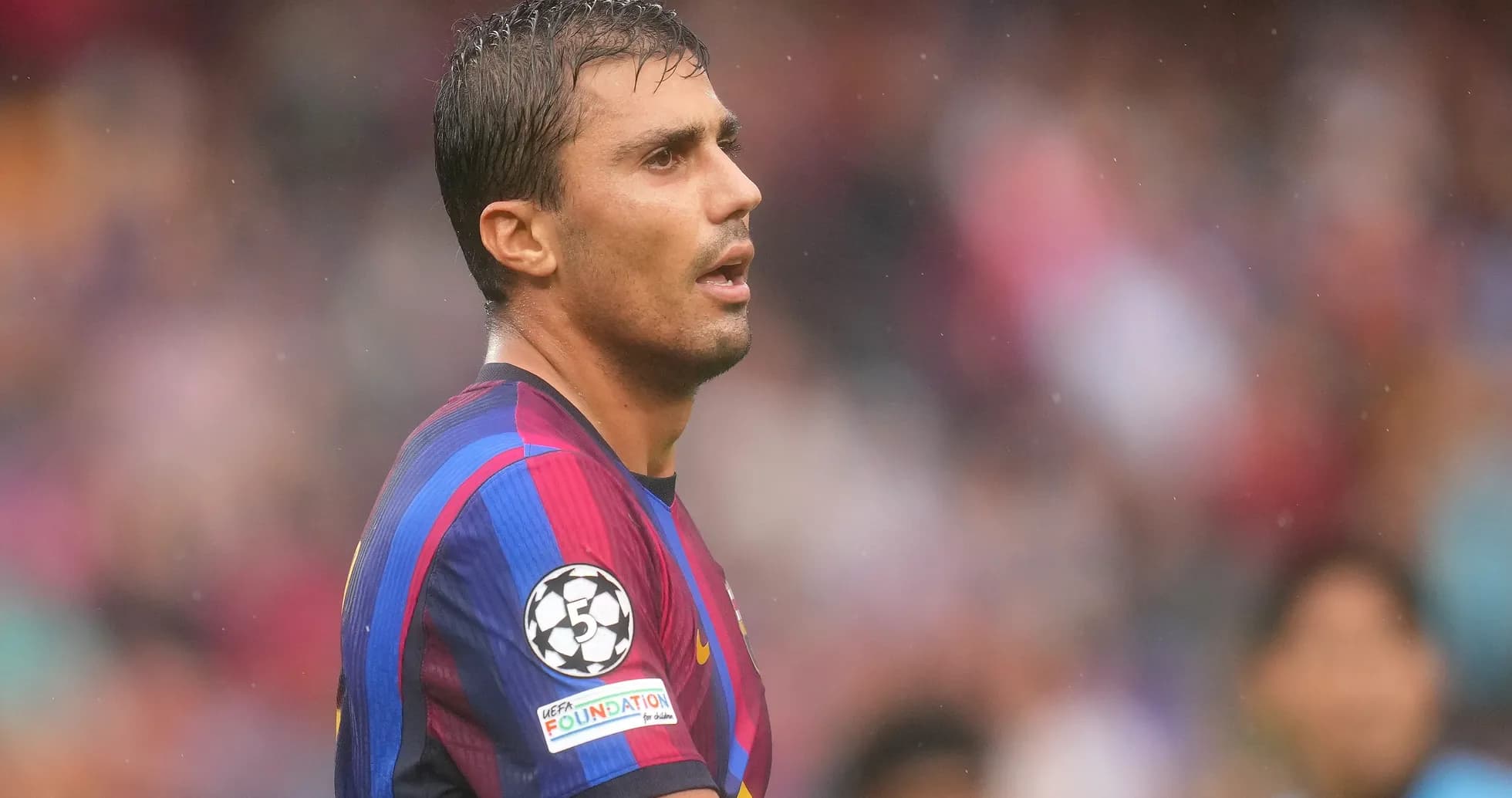
This summer, they went out and signed a man who knows that stage better than most: Rodri. Thirty years old, captain of Spain, the metronome who helped turn Manchester City into European champions. He did not arrive in Barcelona to be a luxury piece. He arrived to be a reference point.
He has settled instantly. The midfield now moves to his rhythm, his presence giving structure to a team that has too often looked fragile when the pressure rises. Yet when Rodri sat down with Mundo Deportivo, there was no grandiose declaration, no cheap promise of instant European domination.
“The Champions League is achievable, but I don’t think we’re favourites,” he said. The line cut through the usual pre-season noise. Ambition, yes. Delusion, no.
He called the trophy “a realistic title” for Barcelona, but framed it as a final step, not an entitlement. A step the club still has to earn. “It’s that final step we need to take to establish ourselves and show Europe what kind of team we are.”
This is where his message turned from hopeful to hard-edged. Talent, he reminded everyone, does not win the Champions League on its own. Barcelona have learned that the painful way. Collapses, red cards, chaotic exits against sides like Inter and Atletico Madrid have left scars and questions. Under the brightest lights, they have lost control of the details.
Rodri went straight at that weakness.
“I don’t think we’re favourites. You have to understand where we’re coming from and what it takes to become champions. This team still needs to polish several things to win it,” he warned. Then he underlined why he is here. “Players like me have come here partly for that, to help the team grow and provide something that I think is important when it comes to winning titles as unique as the Champions League.”
The message was clear: Barcelona do not just need more quality. They need more maturity.
He described the competition in blunt terms. “I don’t think the Champions League is a tournament where the best team necessarily wins. It’s a tournament of moments, and understanding those moments.” For a club that built its identity on dominance and aesthetic control, that is a pointed reminder. Europe is not a beauty contest. It is survival, two legs at a time.
Rodri believes that is precisely where this Barcelona side still has room to grow. Managing chaos. Surviving storms. Killing games.
“If you ask me whether we have a chance, that’s why I came here,” he added. Not as a dreamer, but as someone who has already walked through the fire and come out with the trophy.
He also hinted at a tactical recalibration. Less romance, more realism. “It’s about controlling those moments that make the difference in a tie, especially when the important knockout rounds arrive. Red cards, penalties, perhaps not conceding more than you should. All of those things determine whether you go through or go out.”
That line could serve as a diagnosis of Barcelona’s recent European history. Too many emotional games, too many avoidable mistakes, too many nights where they chased spectacle and lost control.
Rodri did not say Barcelona must abandon their attacking DNA, but he did put a price on balance. “Perhaps it’s better not to be quite as good offensively but to be more consistent and more solid. The teams that have been able to win it have shown you that. That’s where we have room to improve, and I’m sure we will.”
It is the voice of someone who has lived the evolution himself. At City, he went from nearly man to European champion by absorbing those same lessons: when to slow a game, when to foul, when to drop ten yards, when to forget the perfect move and just clear the ball.
He framed the entire journey as a necessary education. “That also comes with experience. I’ve always said that before you win, you have to lose and you have to learn,” he insisted. “Those of us who have been able to win important things know that. I’ve played in I don’t know how many Champions League campaigns before we were finally able to win it.”
Barcelona’s recent failures, then, are not just wounds. They are, in his eyes, part of the curriculum. “I understand that there’s a learning process in that experience, and I understand that players learn year after year,” he concluded.
The club now stands at that familiar crossroads: domestic authority, continental doubt. With Rodri at the heart of their midfield and at the centre of their thinking, the question is no longer whether Barcelona can play beautiful football. It is whether they are finally ready to suffer, adapt and grow into a team that knows how to win the Champions League again.