Barcelona's Youngest Starting XI: Hansi Flick's Historic Night
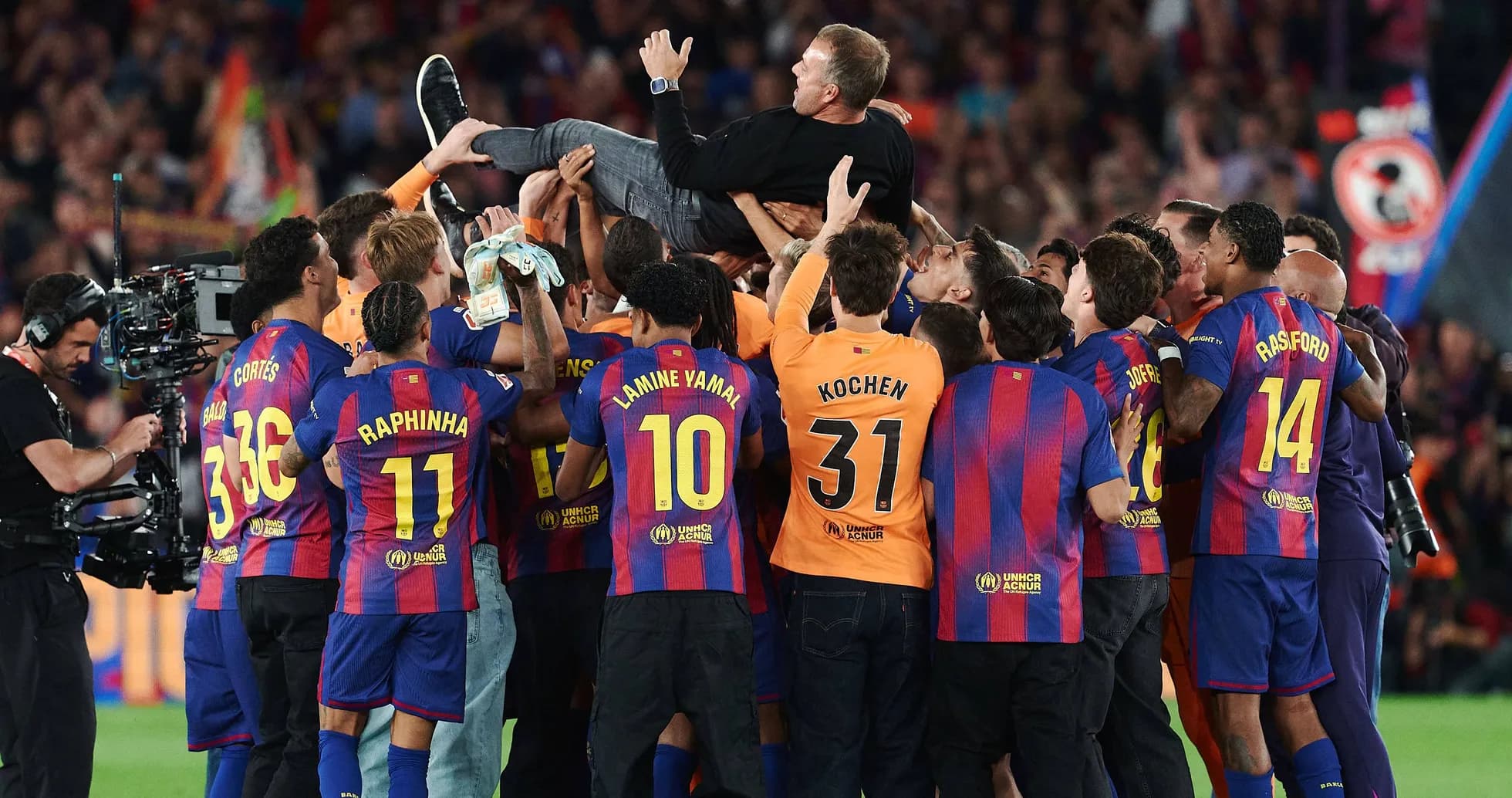
At the Spotify Camp Nou, history did not just nod politely at Hansi Flick. It threw the doors wide open and handed him a place in Barcelona’s record books.
The German coach sent out the youngest home starting XI the club has ever fielded, an audacious line-up with an average age of just 23.18 years. A 14-year-old mark, once belonging to Pep Guardiola’s Barcelona, fell in a single team-sheet.
Journalist Oriol Domènech confirmed what the eye already suspected: this was the youngest Barça side ever to start at the Camp Nou, edging past Guardiola’s much-celebrated 2011 team against BATE Borisov in the Champions League. That night was about rotation and trust. This one felt like a manifesto.
La Masia at the heart of it
Look down Flick’s XI and the pattern jumps out. Seven starters from La Masia. The club’s academy, so often spoken of in nostalgic tones, suddenly looked very present tense.
Two more, Pedri and Joan García, are full Spanish internationals. Only Raphinha and Anthony Gordon were born outside Spain. For a club that has wrestled with its identity in recent years, this was a line-up that could have been sketched on a napkin in La Masia’s dining hall.
The dates of birth tell the rest of the story. Raphinha, born in 1996, stood alone as the only starter from the 20th century. Joan García, Eric García and Anthony Gordon belong to the 2001 generation, Gerard Martín and Pedri to 2002, Fermín to 2003.
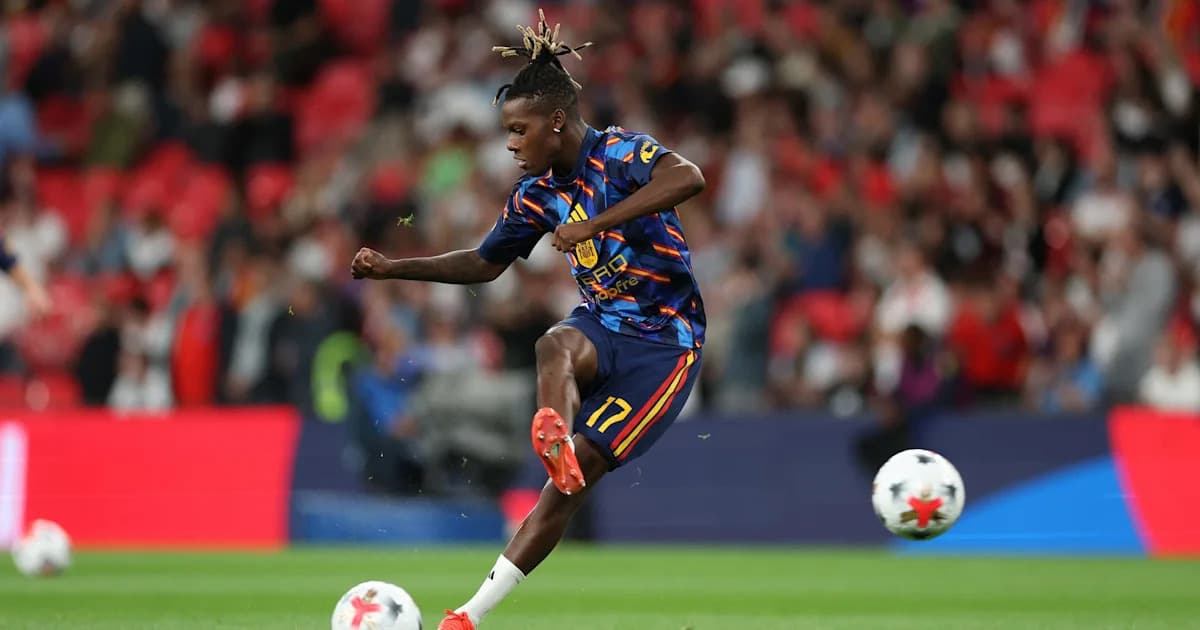
Then came the real jolt. Flick trusted four players born in 2007. Not one, not two. Four: Pau Cubarsí, Marc Bernal, Xavi Espart and Lamine Yamal. All on the pitch from the start, all carrying the shirt of a club that once defined an era with another youth-driven revolution.
This was not a token gesture. It was a calculated leap.
A project, not a whim
The numbers across the squad back that up. Deco has been clear about the direction, and the roster now reflects the sporting director’s blueprint.
Barcelona have the youngest squad in La Liga, averaging 24.2 years, level with Levante. Across Europe’s five major leagues, only four clubs are younger: Auxerre (23.6), Parma (23.4), Toulouse (22.5) and Strasbourg (22). Barcelona sit fifth on that list, but unlike some of those sides, they are expected to compete for trophies, not just survival.
Eleven players in Flick’s squad are under 20. Three of them – Lamine Yamal, Cubarsí and Bernal – already carry significant minutes at the highest level, despite none of them having turned 20. The word “prospect” no longer fits; they are part of the core.
Experience has not been abandoned, just redefined. Only five players are over 30: Szczęsny (36), Cancelo (32), Livaković (31), Christensen and Rodri (30). Three of those arrived this summer, brought in to steady the ship around the kids. In the crucial 24–26 bracket, Anthony Gordon (25) and Adeyemi (24) give the squad what Deco likes to call its “middle class” – players young enough to grow, old enough to guide.
The balance is deliberate. The message is clear.
Flick steps out of Guardiola’s shadow
Any Barça coach who touches the academy will inevitably be measured against Guardiola. For more than a decade, that December 2011 night against BATE Borisov stood as the reference point: five reserve-team players – Bartra, Rafinha, Cuenca, Montoya and Sergi Roberto – in a 4–0 win, a symbol of a club so confident in its style that it could send out the kids in Europe and still dominate.
Flick has now taken that record and rewritten it. Not by sprinkling a few youngsters into an established core, but by flipping the hierarchy. Veterans supported the youngsters, not the other way around.
The victory on this historic night will go down in the match reports. The ages on the team-sheet will live longer. Because this did not feel like a one-off experiment or a sentimental nod to La Masia. It looked like the start of an era in which Barcelona’s future is not just promised, but already on the pitch.
The question now is not whether this youth revolution is real. It is how far – and how fast – it can carry Barcelona back to the top.