Borussia Dortmund Faces Hoffenheim: A Key Test for the Season
Borussia Dortmund’s transfer business is done. The window is closed, the speculation parked. Now comes the part that actually counts: a trip to Sinsheim and the first real stress test of their season against Hoffenheim.
They arrive with momentum. Three points banked on opening day against Hamburg, safe passage in the cup at HEBC, 35 shots fired across those two games. The numbers scream control and dominance. The calendar now offers something else entirely.
Hoffenheim, rebuilt and dangerous
Hoffenheim are not the soft landing some early-season fixtures provide. Last term they finished just a single point shy of the Champions League places, a dramatic rise under Christian Ilzer, who walked into a relegation fight in 24/25 and dragged the club to safety before doubling their points tally the following year. That sort of turnaround hardens a squad. It also raises expectations.
The summer has reshaped his attack. Bazoumana Toure, the winger who gave them thrust and chaos, has gone. A deal for Fisnik Asllani to join RB Leipzig collapsed at the medical table, and the forward remains injured, unavailable here. Hoffenheim had to pivot.
They moved smartly. Patrick Wimmer arrived from Wolfsburg to plug the Toure-sized hole out wide, a direct, aggressive presence who understands Bundesliga tempo. Alongside him, two of the most eye-catching names in the division joined the club: Mats Rots and Nathan De Cat. The latter, a dynamic two-way midfielder, is expected to slot in next to Wouter Burger in the middle of the pitch, giving Ilzer fresh legs and bite in the engine room.
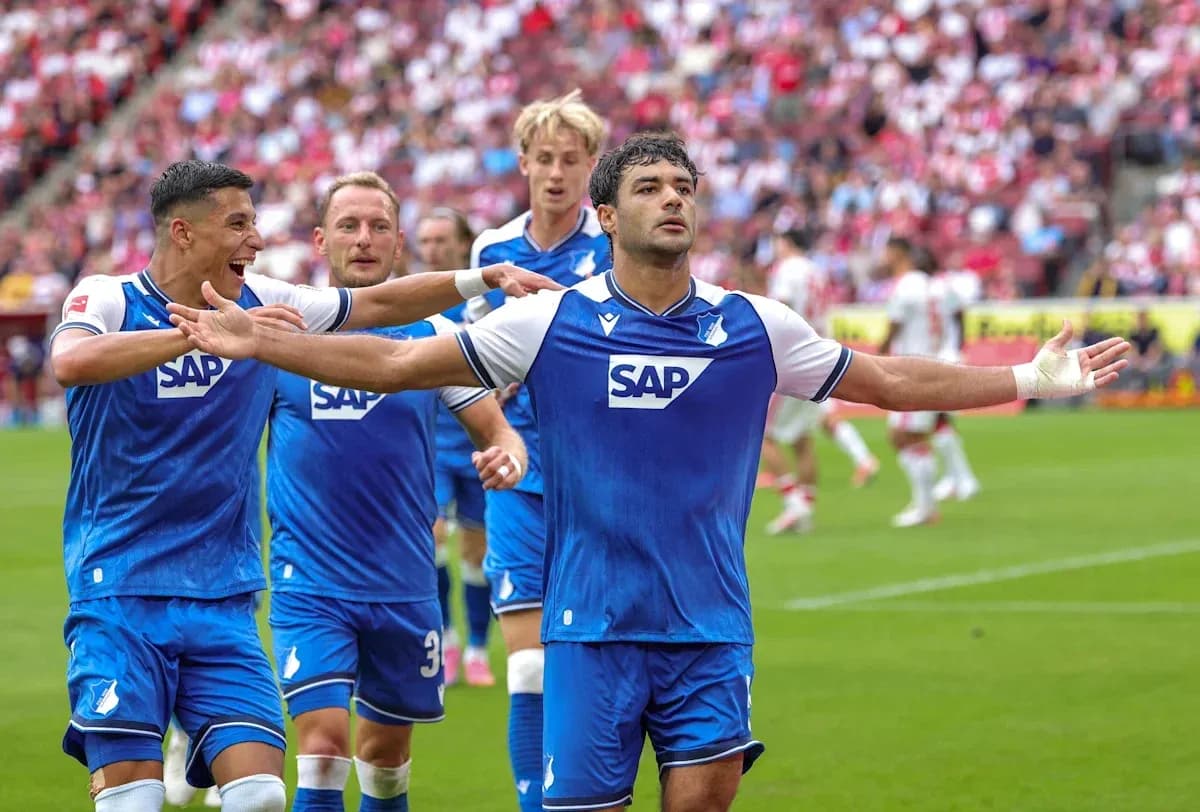
Only Wimmer started in the 2–3 defeat to Köln on the opening weekend, a game that underlined both Hoffenheim’s threat and their flaws. They had 59% of the ball, dictated long spells, but were punished. With Dortmund in town, Ilzer is unlikely to roll out the same XI. This feels like a night for adjustments, for De Cat and others to be trusted. Asllani, though, remains sidelined.
Kovac’s questions: who plays, and how?
For Niko Kovac, the challenge splits neatly in two.
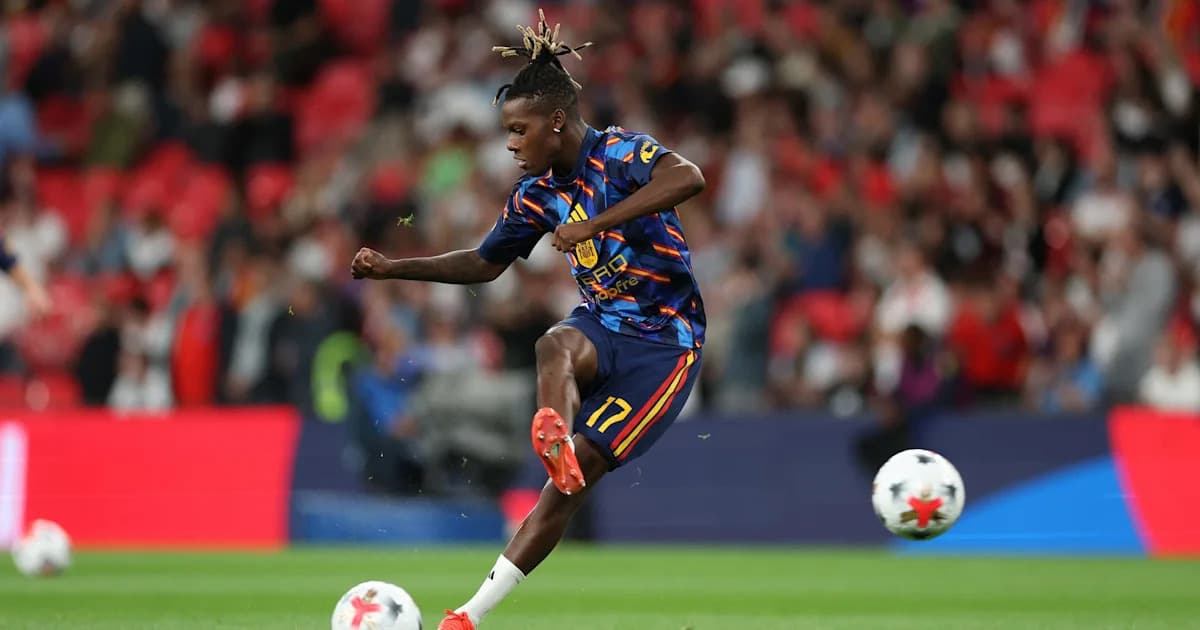
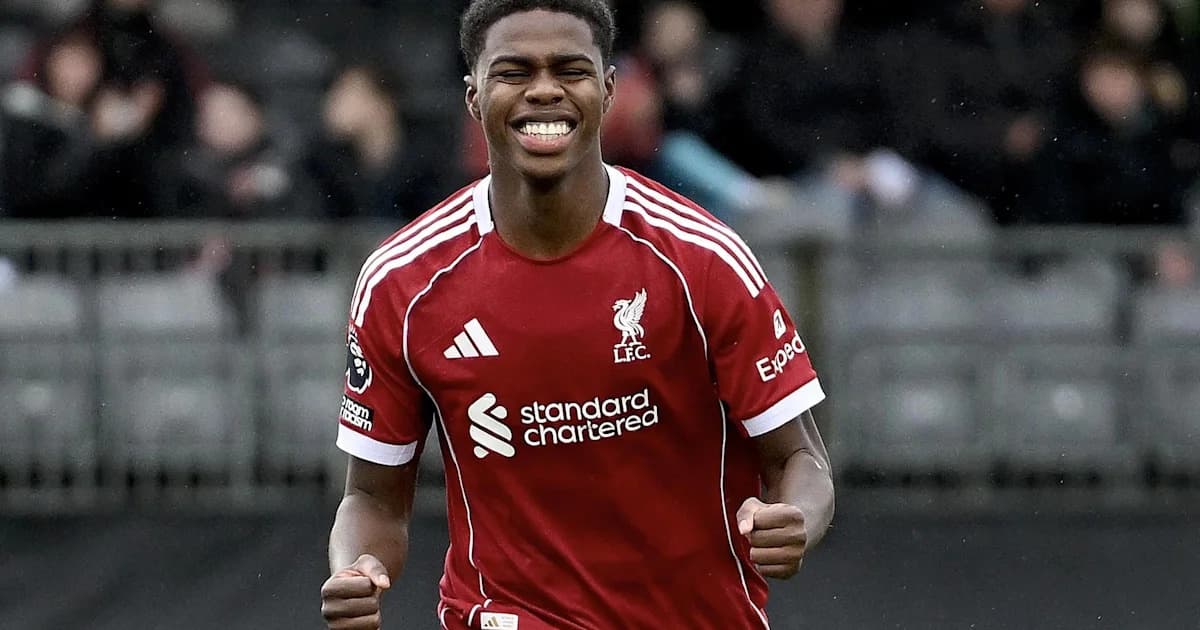
First: personnel. Konstantelias’s ACL injury and Samuele Inacio’s suspension rip a hole in the band of creators behind Serhou Guirassy. Someone has to step into that space alongside Karetsas. Three names sit on the manager’s board: Marcel Sabitzer, Carney Chukwuemeka, and new signing Ethan Nwaneri. Each offers a different rhythm. Each changes how Dortmund attack.
The expectation is that Sabitzer gets the nod. His experience, his ability to knit phases together and still arrive in scoring positions, gives Kovac a measure of control in a game where chaos is always a risk.
Second: approach. Against both Hamburg sides, Dortmund had their way with the ball. They out-shot their opponents 35–9, with a remarkable 20 efforts in the Bundesliga opener alone. They moved high, squeezed the pitch, and played on the front foot.
Hoffenheim will not happily hand them the ball. Last season, the Sinsheim club ranked fourth in the league for possession, with Dortmund sitting sixth. On matchday one, Ilzer’s side again hogged the ball against Köln. They want to construct, to lure opponents out, to dominate the middle third.
That turns this into a pure midfield battle. Can Nmecha and Bellingham dictate against Burger and a potentially retooled Hoffenheim core? Or will Dortmund have to accept longer spells without the ball and become ruthless in transition, turning limited possession into clean, decisive chances for Guirassy?
The Kramaric problem
Lurking in all of this is a familiar shadow: Andrej Kramaric.
At 35, he now operates more as a super-sub than a guaranteed starter, but labels do not blunt his edge in this fixture. He simply loves playing against Dortmund. Only five players in Borussia Dortmund’s history have scored more goals against die Schwarzgelben, and those names live near the very top of the Bundesliga’s all-time scoring charts.
Kramaric’s record reads 11 goals in 18 matches against Dortmund, including a brace in this exact fixture last season. The pattern is too stark to ignore. If he appears from the bench, it will be with history at his back and, as ever, a point to prove.
Expected shapes and key duels
Kovac experimented with a 4-3-3 in the midweek cup tie at HEBC, but the expectation is a return to his trusted 3-4-2-1 here. The structure is clear.
Gregor Kobel comes back in goal after Meyer’s cup outing. The back three should be Gadou, Anton, and Ryerson, a blend of aggression and mobility, with Svensson and Beier patrolling the flanks as wing-backs. In midfield, Nmecha and Bellingham remain the core pairing, responsible for both protecting that back line and launching the first wave of attacks.
Ahead of them, Sabitzer is tipped to join Karetsas in the two supporting roles, tasked with feeding Guirassy, who leads the line again after scoring last week. It is a setup built for vertical surges and quick combinations, but it will only sing if Dortmund either wrestle control of the ball or find clarity on the break.
Across from them, Hoffenheim’s tweaks after the Köln defeat will dictate much of the evening’s tone. Wimmer’s direct running, De Cat’s two-way energy, Burger’s presence in midfield—these are the levers Ilzer can pull to tilt the game.
Dortmund’s season will not be defined in Sinsheim, not yet. But nights like this reveal something: whether Kovac’s side can bend their style to a heavyweight opponent, whether they can suffer without the ball and still walk away with it all.