Bradley Barcola: Liverpool's £123 Million Gamble
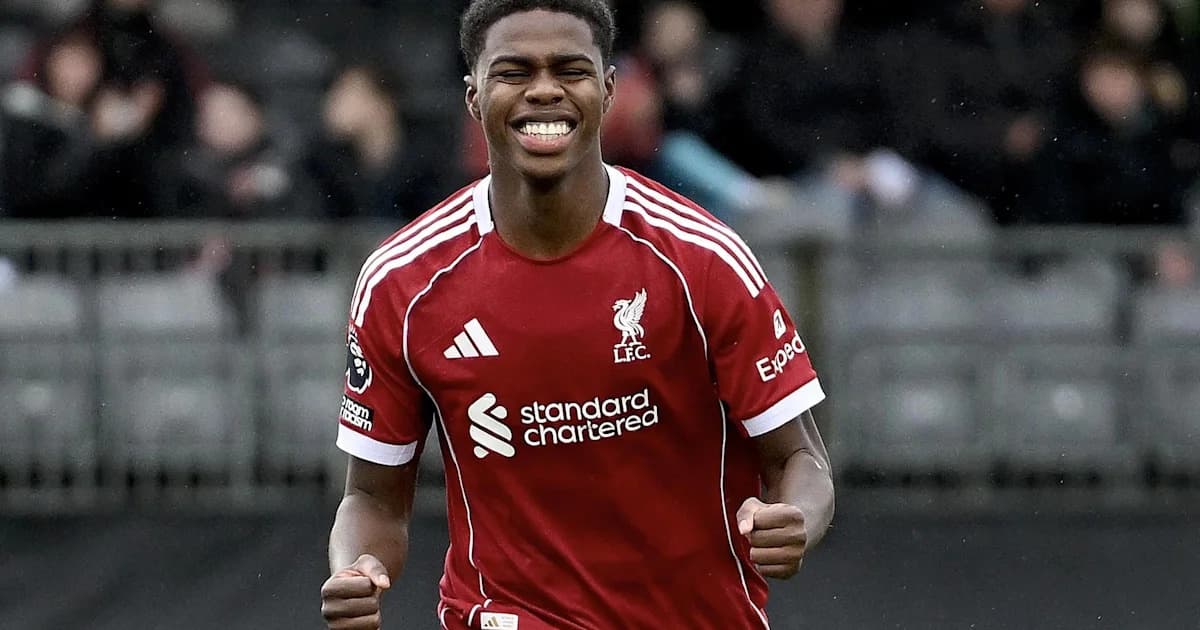
Bradley Barcola walked into Anfield carrying two heavy loads: a glittering reputation and a price tag that could climb to an eye-watering £123 million. That figure makes him the second most expensive signing in Liverpool’s history. It also paints a target on his back before he has even settled into the dressing room.
For Emmanuel Petit, that is exactly where the real battle begins.
“He needs to learn a different way of playing”
Petit has seen enough of the modern game, and of Barcola, to know that Ligue 1 habits will not be enough on Merseyside. The former France international did not sugar-coat his view.
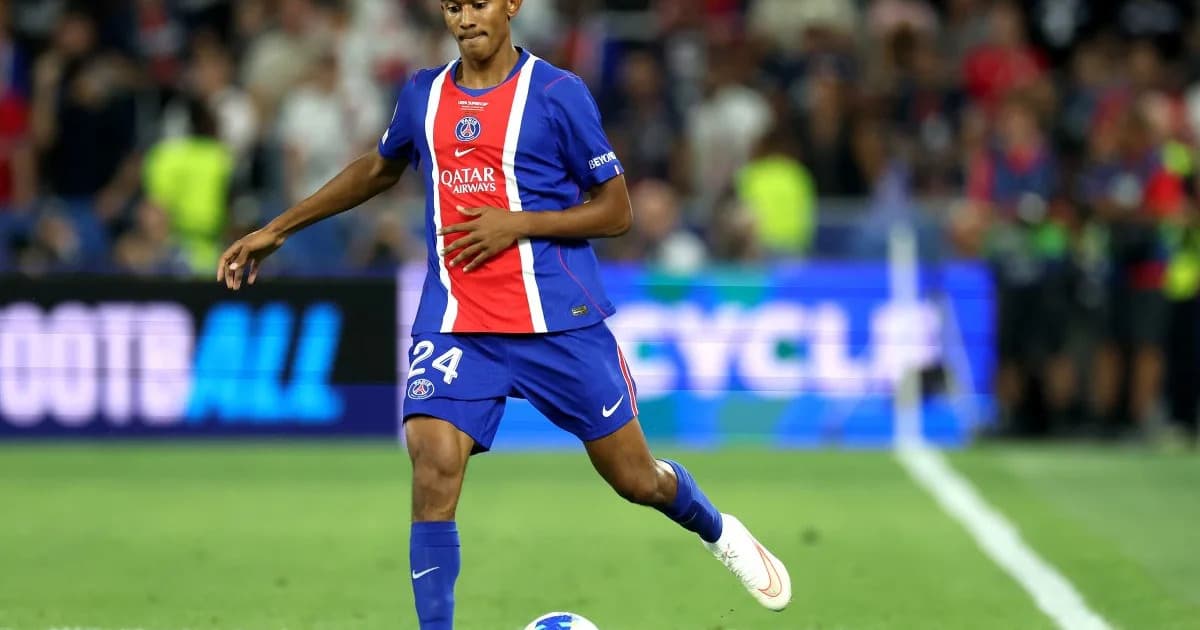
“Bradley Barcola needs to learn a different way of playing,” he told Boyle Sports, underlining the gulf between life at Paris Saint-Germain and the demands of Liverpool. At PSG, he said, the structure is almost mechanical: “It’s in their DNA, how they respond to the position of the ball, everything is like an automation.”
That comfort zone is gone now. Anfield is chaos, intensity, and constant running. The patterns are different, the spaces are different, the contact is harsher. The Premier League does not wait for anyone to adapt.
Yet Petit is convinced Liverpool have bought something they have been crying out for.
“Liverpool are different but Barcola will bring them something they have been missing for the last two seasons: a man capable of running with the ball, taking the space behind the defenders, trying to break through into the final third and get one on one at all times. That kind of player can be dangerous every time they touch the ball.”
Liverpool’s attack has too often looked predictable. Barcola, at his best, is the opposite of predictable.
Talent is not the question
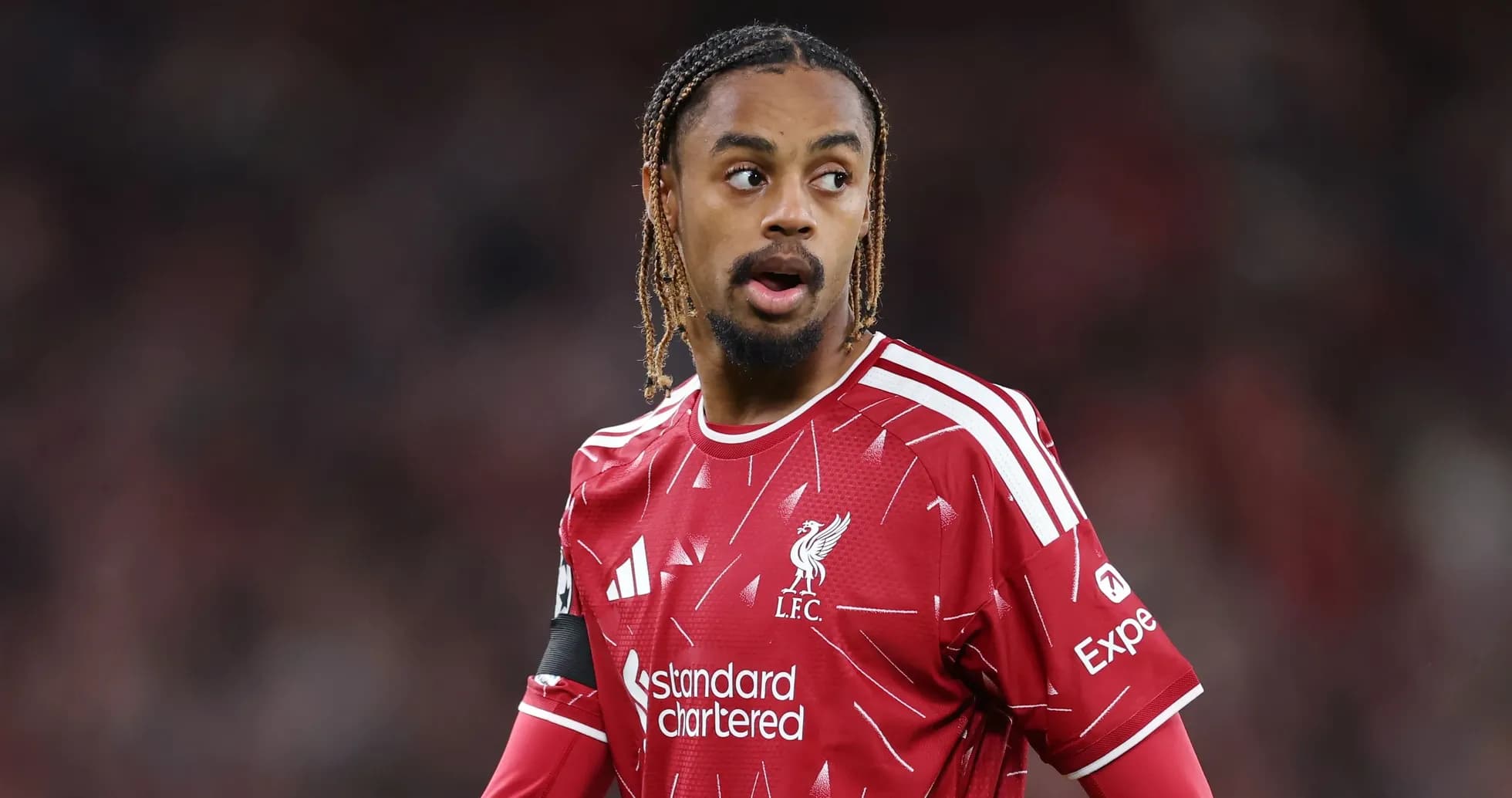
There were glimpses of that in midweek. Barcola flashed his ability in a Champions League win over Atletico Madrid, showing why the club were willing to commit nine figures to secure him. The touch, the acceleration, the willingness to drive at defenders – it was all there in short bursts.
The challenge now is not about skill. It is about survival in a league that is faster, more direct, and relentlessly physical.
Petit framed it bluntly: Barcola will not play the same way he did for PSG because Liverpool do not play the same way. The tools are the same, the environment is not.
“Is Barcola going to play the same way he played for Paris Saint-Germain? No, because Liverpool don’t play the same way, but he will play with that same ability,” Petit said. “The only question is whether he has the mental strength to cope with the price tag of his transfer. We will have to see on that.”
That is the crux. Technique travels. Mentality gets exposed.
Barcola arrives not as a slow-burn project, but as a solution. Petit made that expectation clear: “He now has the chance to do that for Liverpool, and he needs to make an impact straight away. They cannot wait on him like Florian Wirtz or Alexander Isak.”
Liverpool’s margin for patience is thin. So is their margin for error.
Even so, Petit expects Barcola to adjust quickly. He pointed to the winger’s move from Lyon to PSG as evidence that he can climb steep learning curves in short timeframes. “It took him a couple of weeks but then he was showing his great ability,” Petit recalled. Liverpool will hope history repeats itself, only faster.
A bleak verdict on Liverpool’s season
Barcola’s story is only one thread in a wider, more troubling picture for Liverpool. Petit's assessment of the club’s prospects this season was as stark as it gets.
“Liverpool and Manchester United have no hope this season,” he said, cutting through any early-season optimism. His concern is not just about form, but structure. Both clubs, he argued, are leaking too many goals, just like Chelsea, but without the same level of conviction in their squad-building.
Liverpool have already dropped points in three of their first four Premier League matches. For a team that finished fifth last season, that pattern feels less like a blip and more like a continuation.
Petit was unconvinced by what Liverpool and United did in the transfer market, and he did not see complete squads at either club. “They are both missing players and it’s hard to see how they can be favoured to finish in the top four, especially together. They may fight over that last place after Arsenal, Manchester City and Chelsea, but that place may go to another team.”
That is a brutal reordering of the hierarchy. Arsenal and City as the standard. Chelsea resurgent. Liverpool and United scrapping for leftovers, and not even guaranteed those.
A star signing in an unbalanced squad
Barcola’s arrival was meant to inject something new into a forward line that had lost some of its chaos and edge. On paper, he does exactly that: pace, directness, and the courage to take on defenders in isolation.
But Petit's wider point hangs over the deal. A winger, no matter how explosive, cannot fix an unbalanced squad on his own. The gaps elsewhere remain obvious, and they are not the kind that can be disguised by one-on-one dribbling in the final third.
The Anfield hierarchy has gambled that a new attacking dimension can tilt tight games back in their favour. The early evidence in the league suggests the problems run deeper.
For now, the spotlight stays on Barcola. Can he shed his PSG automatisms and embrace Liverpool’s high-intensity, heavy-running football? Can he carry the weight of a £123 million tag in a league that delights in testing expensive imports?
The raw tools are there. The pace, the daring, the ability to change a game with one surge past a defender. Petit’s warning cuts through the hype: the real test will not be on the training pitch, but in his head.
If Barcola passes that test, he might not just change Liverpool’s attack. He might change the direction of a season that already looks in danger of slipping away.