British Basketball Embraces New Era of Competition
British basketball has talked about potential for decades. This autumn, it finally feels like a league stepping into its own reflection and recognising the size of its shoulders.
“This is definitely the most competitive it’s been,” says Newcastle Eagles owner Paul Blake, a man who has lived three decades of the sport’s ups and downs. He’s not one for exaggeration. That makes the line land harder.
The men’s Super League Basketball tips off its third season on Friday with champions London Lions travelling to Bristol Flyers, and there is a different edge to the build-up. Ten teams now, with Liverpool Basketball joining the pack. A domestic quadruple to defend. European tests on the horizon. And, hanging over everything, one date in Oregon that could change how the world sees the British game.
Lions chasing history at home and abroad
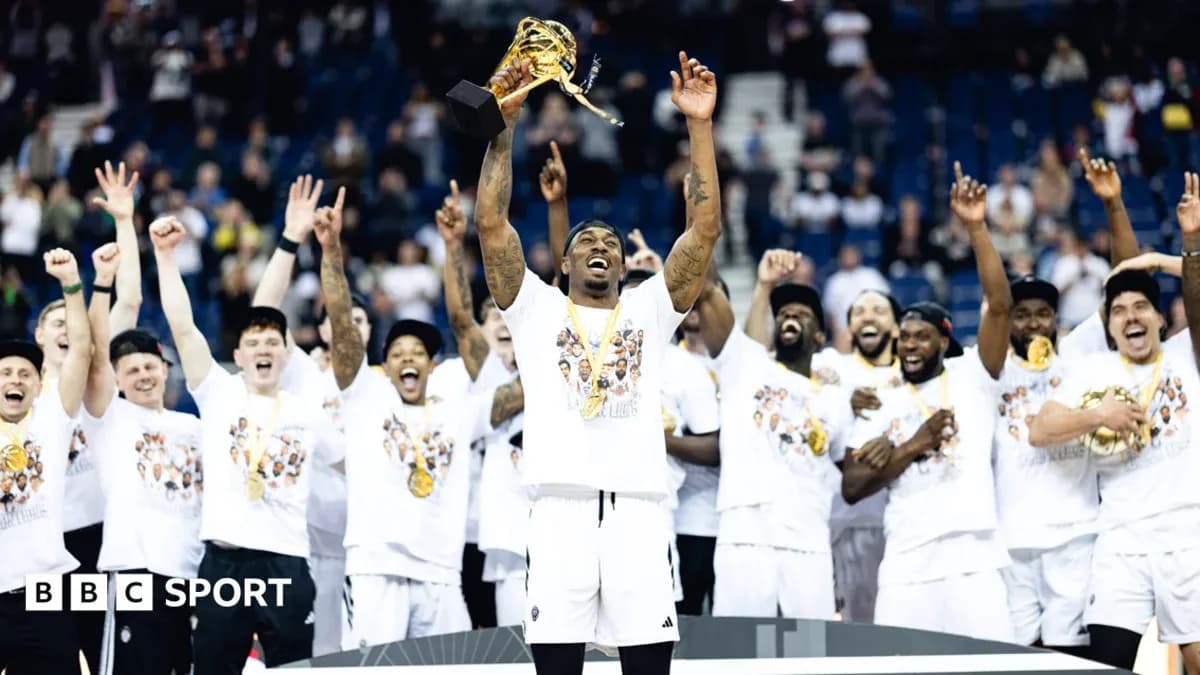
Last season the Lions didn’t just win, they hoarded silverware. SLB Championship, SLB Playoffs, SLB Cup, SLB Trophy. Every domestic title on offer ended up in London colours. They will try to do it again, but this time under a brighter, harsher light.
The club has made no secret of its ambition. It wants to be one of the most recognisable names in world basketball, not just a dominant force on an island still learning how to sell out arenas in October.
On 12 October, the Lions will walk into an NBA arena and into the history books. A friendly against the Portland Trail Blazers will make them the first British side ever to face an NBA team.
“I’ve wanted to be in the NBA since I was six years old. This is the closest I’ve ever been,” says Lions CEO Lenz Balan. For him, this isn’t just a novelty fixture. It’s a statement.
“It’s a really important signal in the basketball world, in the sporting world. This is the ambition. We are absolutely trying to be one of the best clubs in the world.”
That ambition has to show up in Europe as well as in the NBA shop window. The Lions return to the EuroCup, EuroLeague’s second-tier competition, for a second straight season. Last year brought a headline win over eventual runners-up Besiktas Gain, but the campaign ended with them eighth in a 10-team group. Eye-catching, but not enough.
So they’ve gone back to the market. Among the summer arrivals is Keenan Evans, a 2025-26 EuroLeague winner, signed on loan and expected to lift the level of the roster on continental nights.
“We have ambitions to definitely outperform last year,” Balan says. “It’s going to be tough, but these are some of the best players in the world – and I think most people in London and the UK recognise the level of competition that they’re playing.
“We’re just really focused on executing that vision, getting better and if we keep doing that, I think we’re going to get some good results.”
The signs are already encouraging. Earlier this month, the Lions beat EuroLeague side Paris Basketball in pre-season. A friendly, yes. But also a message: British clubs don’t just turn up to make up numbers anymore.
A league growing teeth
Blake, now also an SLB director, has watched the landscape change.
“The league is just getting more and more competitive all the time, so we know we’ll be in for a fight again this season,” he says. “The quality of players that are now in the league across the teams top to bottom is, for me, pretty much the highest level it’s been. It’s extremely competitive.”
He has evidence to point to. Manchester Basketball made history this week by becoming the first British team to win a qualifying round match in Fiba’s Basketball Champions League, beating German side Wurzburg Baskets. That’s not a moral victory. That’s a scoreboard one.
Bristol Flyers will again test themselves in the European North Basketball League after Manchester finished runners-up in that competition last season. British clubs are no longer treating Europe as a sightseeing trip. They are going there to win.
The domestic picture reflects that shift. With Liverpool entering the SLB, the calendar tightens, scouting becomes more forensic, and the margin for error shrinks. For the first time in a long time, multiple British clubs walk into European gyms expecting to compete, not hoping to survive.
Women’s game building its own platform
Fifteen days after the men, it’s the women’s turn.
SLBW, the women’s Super League, starts on Saturday 3 October, with Cardiff Met Archers hosting B Braun Sheffield Hatters, the defending championship and play-off winners. It’s a fixture that pits a heavyweight against a programme built on a very different model.
At Cardiff, four players are salaried while studying for masters degrees. Around them, a squad made up of scholarship athletes, postgraduates, undergraduates and players juggling basketball with full-time jobs. A team stitched together from ambition and time management.
Head coach Stef Collins, a Great Britain Olympian from London 2012, sees a bigger picture than just wins and losses.
“I think there’s an opportunity to build something that people genuinely want to watch and follow,” she says. For her, the evidence is already out there.
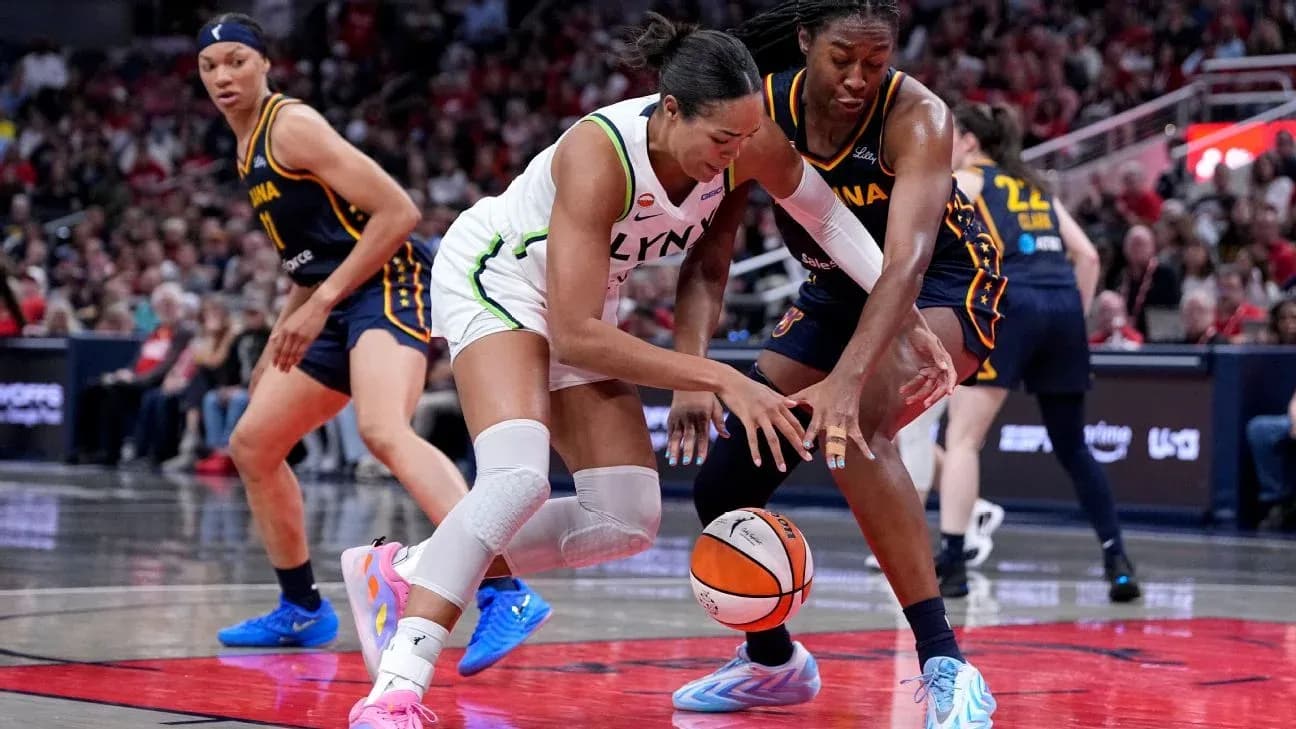
“Women’s basketball has shown what is possible internationally, particularly with the growth we’re seeing in leagues like the WNBA, NCAA College Basketball.”
Collins wants SLBW to ride the wave created by the recent Women’s World Cup in Berlin, where the United States claimed a fifth successive title by beating France in the final. More than 230,000 fans came through the doors. The most-attended World Cup in the modern era.
“It was the most-attended World Cup in the modern era with over 230,000 fans in attendance,” she points out. Those numbers matter. They give every coach in Britain a reference point when they walk into a boardroom and ask for investment.
For Collins, the sport’s future is as much about storytelling as it is about pick-and-roll execution.
“For me, it’s also about telling the stories of the players. They’re not just basketball players – they’re students, they’re professionals, they’re international athletes, they’re role models. If we can showcase that properly, I think there’s an exciting future for the Super league.”
The WNBA has already drawn the map. In 2025, clips from the league generated more than one billion views on Instagram, making it the most-followed women’s sports league on that platform. Collins believes SLBW can learn from that blueprint.
“The WNBA is a really good example of what happens when you give women’s basketball a platform and make the players and their stories visible,” she says. “But I think there’s also a lesson beyond the basketball itself. Women’s sport has shown that fans want to connect with the athletes, their personalities and their stories.
“We shouldn’t be afraid to market women’s basketball differently and allow our players to be themselves.”
Between the Lions chasing NBA history, Manchester breaking new ground in Europe, Bristol and Liverpool stretching the domestic map, and SLBW preparing to tell its own stories, British basketball stands on the edge of something it has long claimed to want.
Now it has to prove it can live there.