Bronny James Faces Critical Season with Lakers
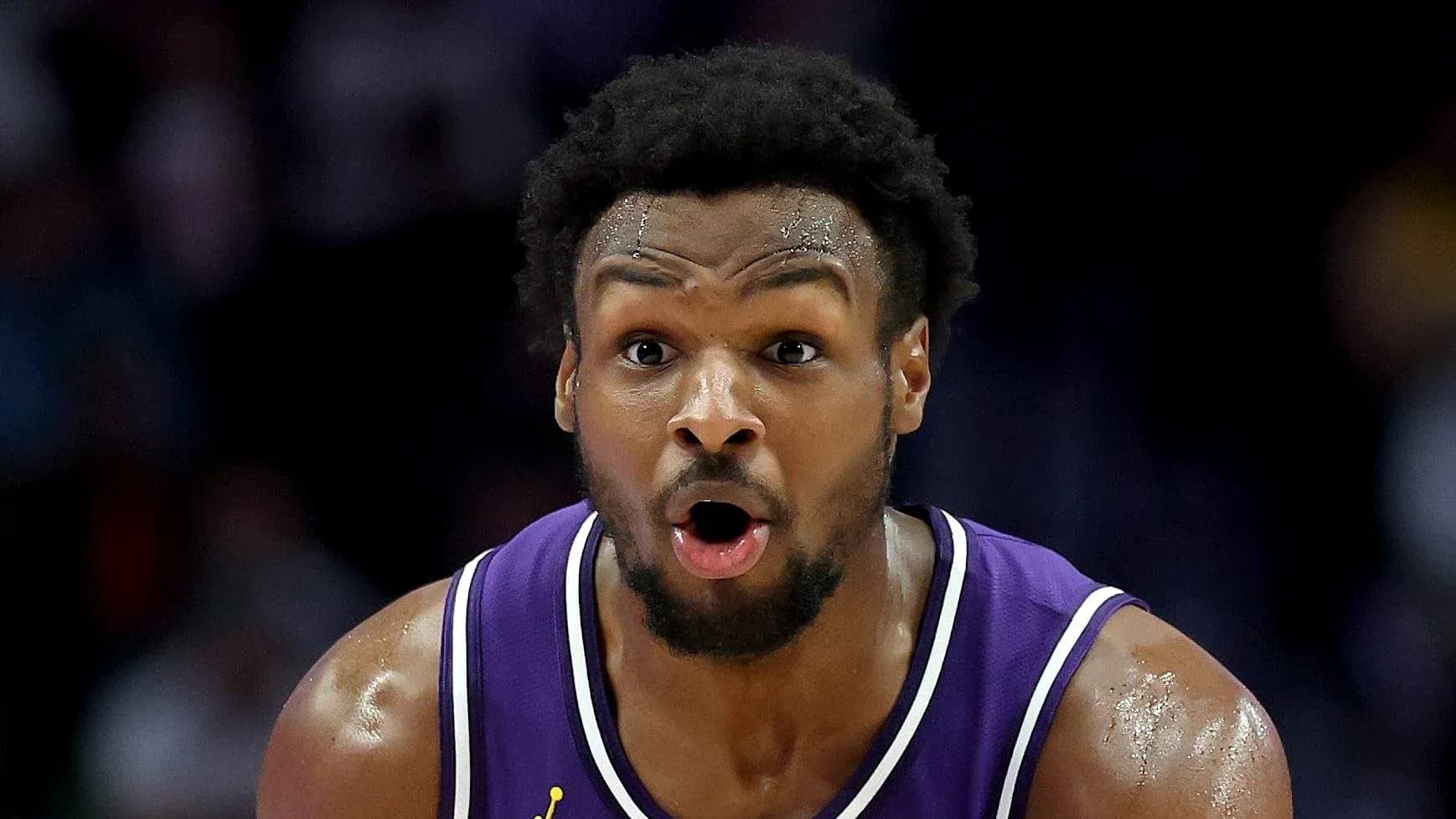
Bronny James is running out of time in Los Angeles.
The surname still turns heads at Crypto.com Arena, but the safety net is gone. LeBron James is no longer a Laker, and with that, the family storyline that once shielded Bronny from harsher scrutiny has evaporated. What’s left is a 21-year-old guard fighting for a place in a rotation that, so far, has not had room for him.
A Famous Name, An Unsettled Role
Taken 55th overall in the 2024 NBA Draft, Bronny arrived as one of the most talked-about second-round picks in league history. The selection sparked immediate debate: was this a basketball decision or a nod to LeBron’s wishes? The Lakers never confirmed the latter, but the noise never really died down.
Two years on, the conversation has shifted. It’s no longer about why the Lakers drafted him. It’s about whether he belongs on the roster at all.
Under head coach JJ Redick, James has shown flashes on the defensive end. He competes, he moves his feet, he can bother guards. But flashes don’t secure minutes on a team that measures everything against the standard of contention. Not in Los Angeles. Not in that jersey.
Tyler Watts of LakeShowLife.com captured the core of the problem in blunt terms: “Bronny James is a player without a position. He is too small to be a two and doesn’t have the playmaking chops to thrive as a point guard.”
That positional limbo has boxed him out of a consistent role. Across his first two seasons, he has never appeared in more than 42 games and has yet to average more than 8.9 minutes per night. For a developmental project, that’s a slow burn. For a 21-year-old on a team desperate to win now, it’s a warning sign.
Numbers That Don’t Move the Needle
The box score tells a stark story.
As a rookie, James played in 27 games and averaged 2.3 points, 0.7 rebounds, and 0.8 assists on 31.3% shooting. The headline moments came from sharing the floor with his father, a historic first in NBA history. Once the novelty faded, the production remained modest.
Year two brought more opportunity, but only in small doses. In 42 games, he nudged his numbers up to 2.9 points, 0.5 rebounds, and 1.2 assists on 40.9% shooting. Better, but not transformative. He took more shots, made a few more, and still found himself primarily deployed in blowouts, a reserve rather than a true member of Redick’s nightly plans.
The G League has offered a different picture at times. There, James has shown more confidence, more aggression, more of the defensive energy that scouts believed could be his calling card. The problem is simple: none of it has consistently translated when the lights are brighter and the opponents better.
Without a reliable three-point shot, undersized for the wing and not yet trusted as a full-time initiator, his value on an NBA floor remains hard to define.
Contract Guaranteed, Future Anything But
The Lakers have already put some money behind their investment. They guaranteed the $2.3 million James is owed this season on his rookie deal. Financially, that’s a commitment. Strategically, it’s not a promise.
If he cannot crack the rotation or at least show genuine growth as an NBA-caliber guard, that contract may simply mark the end of his time in purple and gold rather than the start of something bigger.
Watts didn’t sugarcoat the stakes: if James doesn’t prove himself this season, the Lakers may have no choice but to “cut ties” despite the guarantee. The franchise is not in a place where it can carry passengers. Every roster spot, every minute, has to tilt toward winning.
Redick, according to Watts, has already laid out the blueprint. The path is there. The problem, as framed, is that Bronny “isn’t following it.” That’s not a question of talent alone; it’s about adaptation, role acceptance, and urgency.
A Make-or-Break Season in Los Angeles
The 2026-27 campaign now looms as a career crossroads.
James enters his third season no longer as LeBron’s son sharing the court in a feel-good storyline, but as a young guard on notice. The margin for error is thin. The Lakers, chasing a path back to genuine title contention, need contributors, not just names that sell jerseys.
For Bronny, the assignment is brutally clear: improve, define a role, and force Redick to play him. Become a defender who changes possessions. Hit open shots. Make simple reads. Do enough of the small things that the coaching staff can trust him when the game is still in the balance.
He has what so many fringe players never get in this league: another opportunity. Guaranteed money. A famous name that still buys him attention, if not minutes. A coach who has laid out what he needs to do.
Now the clock starts ticking.
Either Bronny James adapts and cements his place in the Lakers’ future, or this season becomes the final chapter of his time in Los Angeles—an early, unforgiving verdict on a career that arrived with more hype than answers.