CAF Considers Backup Hosts for AFCON 2027 Amid Delays in Kenya and Uganda
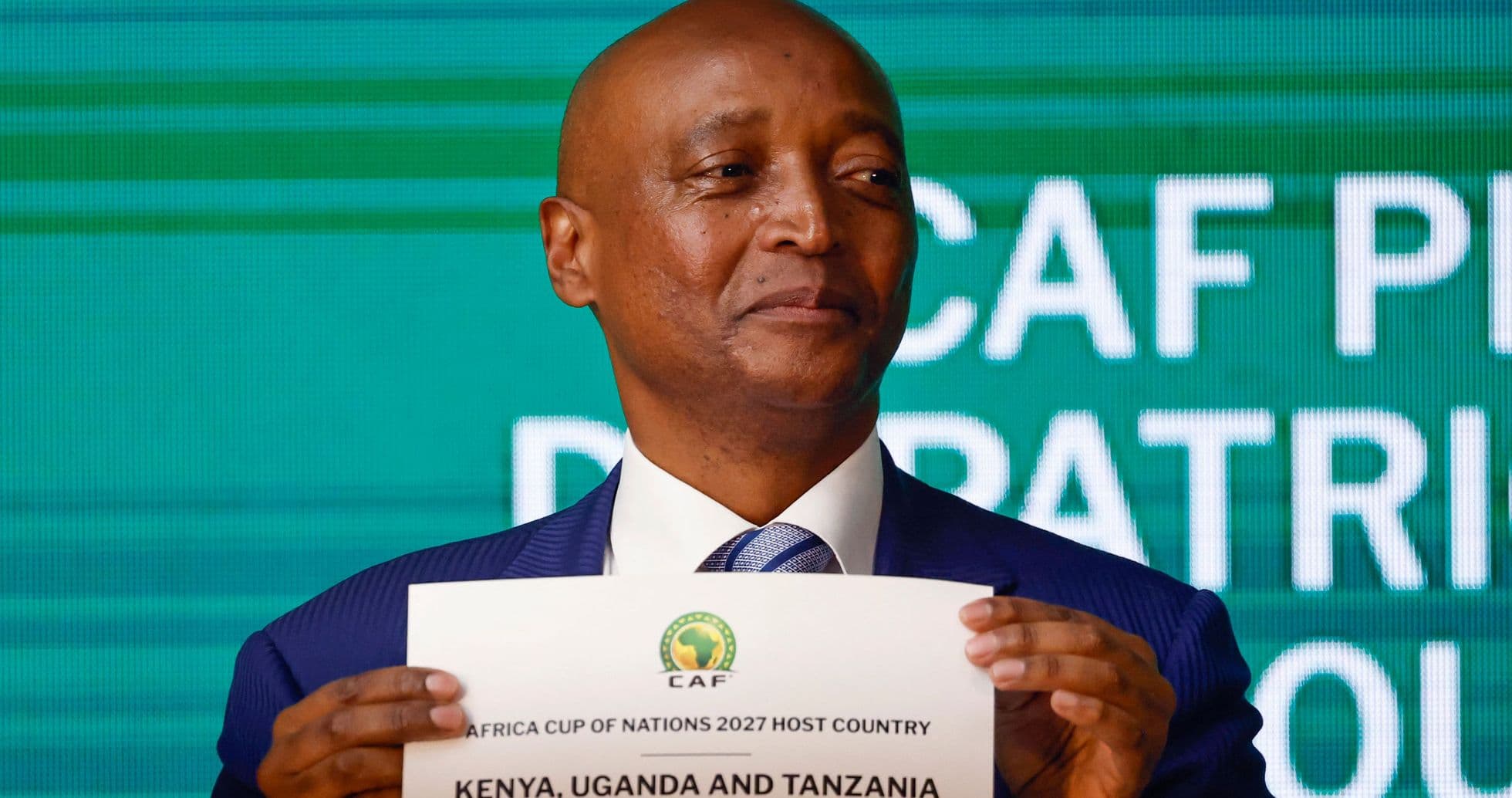
The Confederation of African Football (CAF) is evaluating backup options for the 2027 Africa Cup of Nations as delays in infrastructure development in Kenya and Uganda raise serious doubts about their readiness. Scheduled to co-host the tournament with Tanzania from June 19 to July 17, 2027, the two East African nations are struggling to meet essential deadlines, prompting CAF to explore contingency plans.
Infrastructure Setbacks Threaten Hosting Plans
According to BSNSports.com.ng, slow progress on stadium construction, insufficient accommodation, and other logistical challenges have sparked concerns during recent CAF inspection visits. These issues jeopardize the smooth execution of the event, casting uncertainty over the original hosting arrangement.
CAF Contacts Potential Replacement Countries
A report from French media outlet Le Monde reveals that CAF has reached out to several countries including Morocco, South Africa, and Algeria as possible backup hosts. Additionally, Ivory Coast and Egypt remain on CAF’s radar due to their proven infrastructure capabilities. Despite these alternatives, CAF president Patrice Motsepe remains optimistic about the East African trio but acknowledges the work still needed to get the preparations on track.
Recurring Issues With Hosting Assignments
CAF's consideration to reassign hosting rights isn’t new. The governing body has shifted the tournament multiple times in recent years: from Libya to South Africa in 2013, Morocco to Equatorial Guinea in 2015, Libya to Gabon in 2017, and Cameroon to Egypt in 2019. More recently, Guinea was replaced by Morocco for the 2025 edition, underscoring CAF’s history of stepping in when host nations face setbacks.
Countdown Adds Pressure on East African Hosts
CAF officials plan additional inspections soon before making a final call on whether Kenya and Uganda can fulfill their hosting duties. The 36th Africa Cup of Nations holds special significance, marking the competition’s first return to the CECAFA region since Ethiopia 1976. This will also be the last edition held biennially. Unless rapid progress occurs, the dream of a three-nation East African tournament may be passed on to one of the standby countries.