Caitlin Clark's Rising Impact in the FIBA Women’s Basketball World Cup
Caitlin Clark had to wait for her moment.
Those tuning in to see the WNBA’s newest phenomenon step straight into a starring role for Team USA at the FIBA Women’s Basketball World Cup found an all-too-familiar sight instead: the Americans leaning on their veterans and their depth, not the hype.
No. Clark was not in Kara Lawson’s first starting five on the world stage.
Against China – the same opponent the U.S. beat in the 2022 gold-medal game – Lawson turned to experience and continuity. Chelsea Gray and Jackie Young opened in the backcourt, with Breanna Stewart, Kahleah Copper and Napheesa Collier completing a lineup built on medals, scars and chemistry.
Gray, the steady hand of that 2022 title run, resumed her role as floor general. Young, now one of the premier guards in the WNBA but absent from that last World Cup squad, wasted no time justifying her promotion. She piled up seven of Team USA’s first 20 points as the Americans raced out in front and began to stretch the scoreboard.
Only then did the crowd get what it came for.
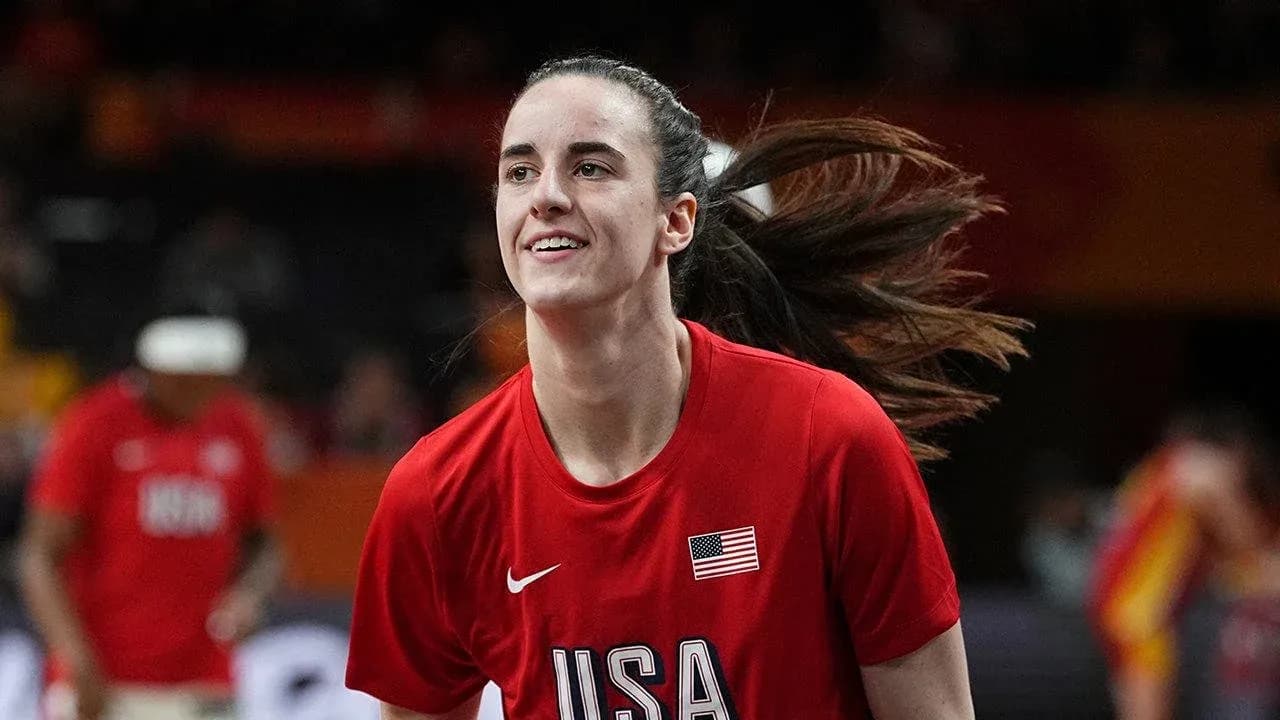
Midway through the first quarter, Clark rose from the bench and checked in, greeted by the kind of anticipation few players ever carry into a senior international debut. The game was already tilting heavily in the U.S. direction, but her impact arrived quickly in a different form than the usual deep threes and scoring avalanches that have defined her summer.
She probed. She passed. She organized.
By the end of the opening period, Clark had just two points on a simple layup, but she had already dished out four assists and grabbed a rebound, sliding into the rhythm of a roster full of stars rather than trying to seize it. On a team that rarely needs a savior, she looked like what Lawson had described in the buildup to the tournament: a high-IQ guard who sees the game a beat ahead.
Lawson’s assessment before the World Cup was blunt and glowing. She called Clark “great” and “coachable,” then went deeper, praising her competitiveness, her skill and her ability to anticipate passing and shooting windows at a level that jumps off the tape. The belief and confidence, Lawson said, are already elite.
The numbers backing that up from August in the WNBA are staggering.
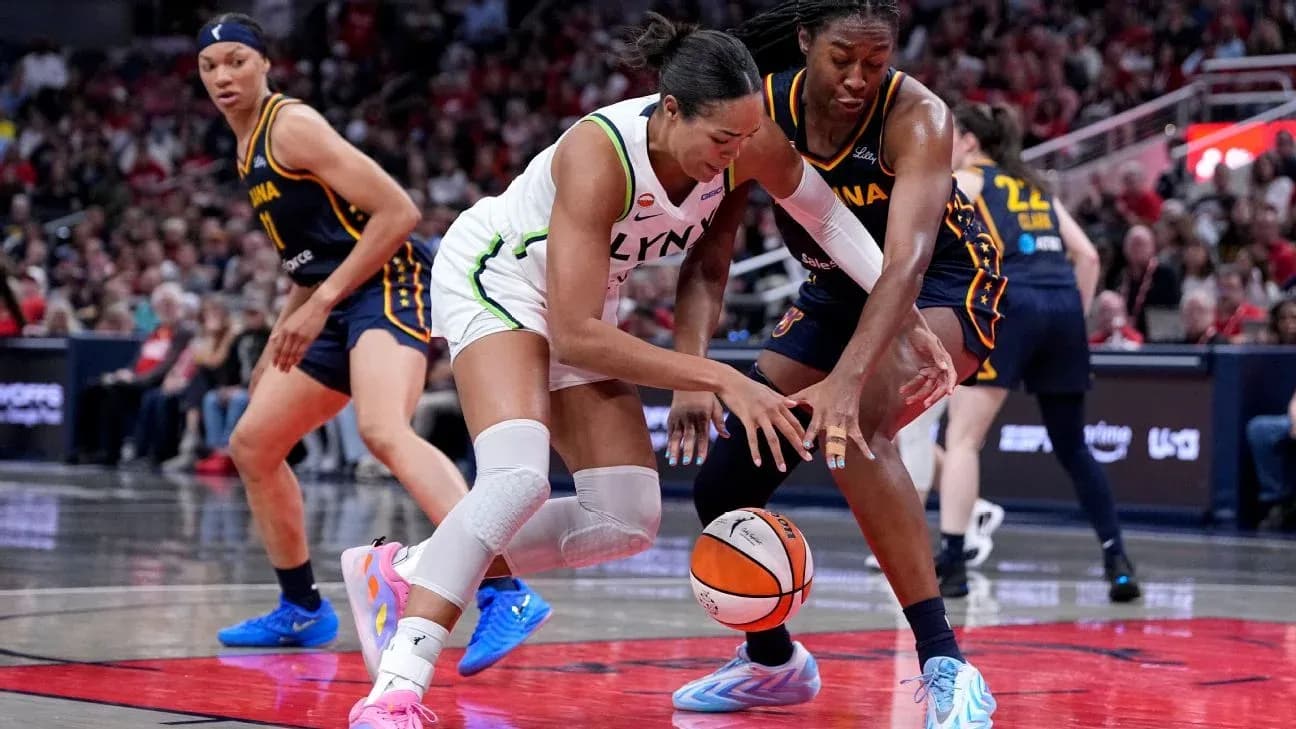
Clark entered this international window on a historic tear. She either scored or assisted on 44.7 points per game during the month, the highest such figure ever recorded in a single month in league history. Defenses knew exactly where the danger was coming from. They still couldn’t stop it.
She became the first player in WNBA history to post back-to-back games with at least 30 points and 10 assists. Both came in the Indiana Fever’s final two outings before the break. Against the Connecticut Sun, she dropped 34 points and 12 assists in a 111–91 win. Then she followed it with an even louder performance: 37 points, including eight made three-pointers on 12 attempts, plus 10 assists in a 113–90 victory over the Chicago Sky on August 23.
Her August featured five games with at least 20 points and 10 assists. No other WNBA player has matched that total over the last five seasons combined. Not in a month. In five entire years.
She capped it by averaging 24.4 points per game, the highest-scoring month by a point guard in league history. That’s the form she carried into a locker room already stocked with Olympic champions and world title winners.
Lawson, though, made a deliberate call to open this World Cup with her veterans setting the tone. Stewart’s presence, Gray’s command, Collier’s versatility, Copper’s edge, Young’s two-way punch – it is a core built for gold-medal defenses, not auditions.
Clark, for now, is the weapon off the bench, not the headline in the starting lineup.
She’s not alone there. Angel Reese and Paige Bueckers, two more faces of the sport’s future, also began the night among the reserves. That second unit, on paper, would start for almost any other nation in the field. For the United States, it’s the luxury that allows a coach to ease a young star into the brutal efficiency of international basketball without handing her the keys on day one.
The question isn’t whether Clark will grow into a larger role. The way she’s played all summer, that feels inevitable. The real intrigue lies in how quickly her play forces Lawson’s hand.
If the form that shredded WNBA defenses in August carries over to the World Cup, the conversation around Clark won’t be about when she checked in.
It will be about when she takes over.