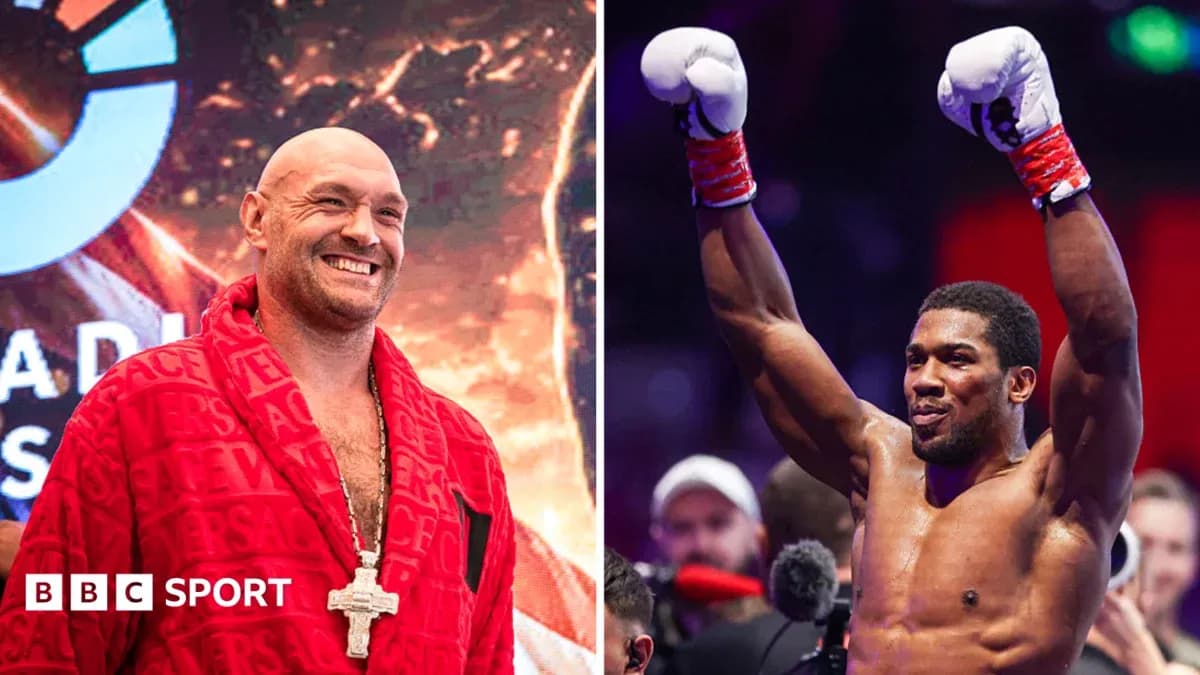
Cardiff Set to Host Fury–Joshua Fight as New York Dreams Fade
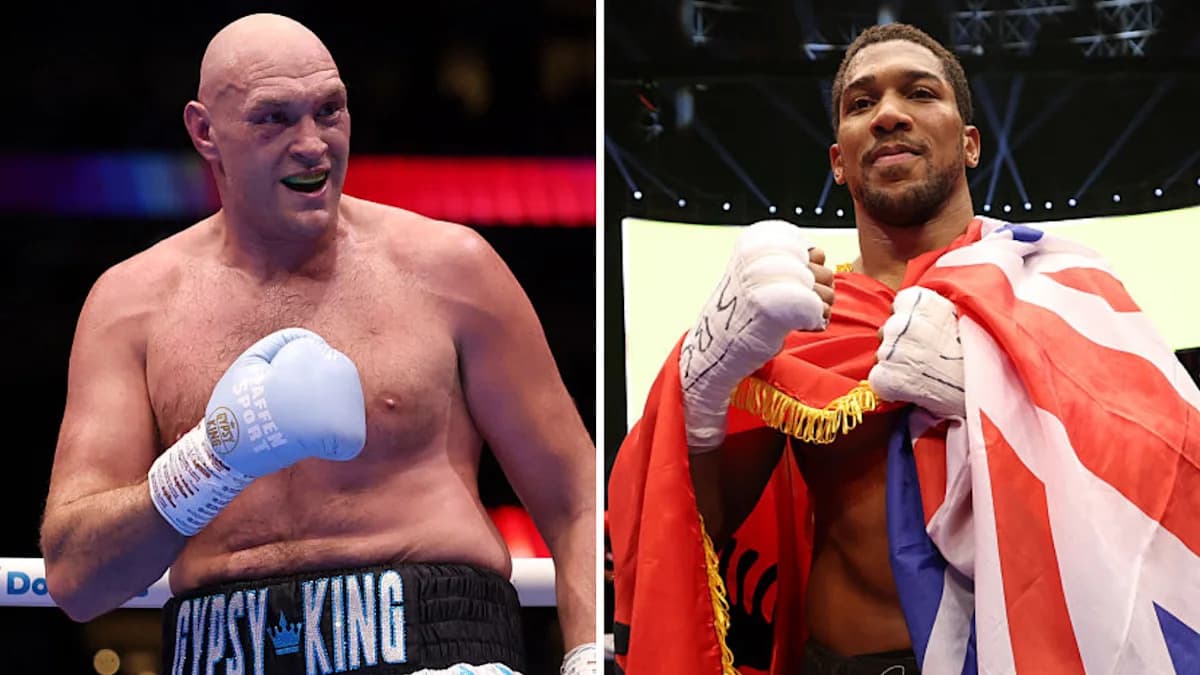
The biggest British heavyweight fight of this century is poised to land not under the Manhattan lights, but beneath the closed roof of Cardiff’s Principality Stadium on Friday, 11 December.
Final details are still being thrashed out between Netflix, Saudi Arabian organisers Sela and the two fighters’ teams, but Cardiff has surged clear as the frontrunner. An official announcement is expected this week. The long, messy road to this point tells its own story about power, contracts and who really calls the shots in modern boxing.
From Madison Square Garden to the Welsh capital
Only weeks ago, this fight looked destined for New York. Madison Square Garden was so close to being signed off that plans were already in motion for a Manhattan news conference. The narrative was ready-made: two British heavyweights headlining at the spiritual home of American boxing.
Then the paperwork bit back.
Both Tyson Fury and Anthony Joshua had signed separate agreements with Sela rather than a joint contract. Joshua’s deal contained a clear, immovable line: the fight had to take place in the United Kingdom. Fury’s contract carried no such restriction.
That single clause flipped the entire negotiation.
Once Netflix and the organisers began pushing hard for a US staging, Joshua and promoter Eddie Hearn dug in. Hearn admitted that almost everyone else involved wanted New York. Matchroom even crunched the numbers on what compensation might be needed to tear up the UK clause.
For a spell, the impasse threatened to kill the fight. Fury accused Joshua of dragging his feet and briefly dangled the idea of revisiting his rivalry with Oleksandr Usyk in a trilogy. The noise grew, but the deal did not.
Eventually, Fury gave ground. With the UK requirement standing, the hunt began for a British venue that could satisfy a global streaming giant, handle winter conditions and still feel like the stage this fight demands.
By process of elimination as much as design, Cardiff emerged.
Why Wembley lost the biggest night
On paper, Wembley Stadium should have been the obvious answer. It is the natural arena for a meeting between the two defining British heavyweights of their era, the site that screams “super-fight”.
Reality intervened.
The fight, originally discussed for November, slipped into December as venue talks dragged on. An open-air stadium in a British winter carries obvious risk. Freezing temperatures, swirling wind, driving rain – all beamed live to the world and endured by tens of thousands of paying fans.
For an event of this scale, that was judged a gamble too far.
Wembley also carries a hard 23:00 curfew. To satisfy Netflix’s desire for prime-time in the United States, the projected UK ring walk sits around 01:00 GMT – 20:00 on the US east coast. That timing alone turned Wembley into an administrative minefield.
London Mayor Sadiq Khan backed the bid. Wembley officials were willing to talk. But pushing a 01:00 start through Brent Council and local safety advisory groups meant layers of approvals and red tape, all on a tight timeline.
The O2 in London would have solved the weather problem instantly. Indoors, controlled, reliable. It would also have slashed the gate. An arena show simply cannot match the ticket revenue, scale or spectacle of a stadium night.
Cardiff, with its retractable roof and stadium footprint, ticked every box that Wembley and the O2 could not tick at the same time.
Principality Stadium: the perfect compromise
The Principality Stadium offers the rare combination this fight needs: size, shelter and flexibility.
Its official seated capacity sits just under 74,000, but boxing layouts can push that higher. Joshua has already proved he can turn it into a cauldron. In 2017 he defended his WBA and IBF titles there against Carlos Takam in front of nearly 80,000 fans, then returned five months later to add the WBO belt against Joseph Parker.
Those nights matter in these negotiations. Broadcasters know the atmosphere translates on screen. Promoters know the tickets will move.
The roof is the clincher. It allows organisers to stage a stadium event – the full pyrotechnics, the walkouts, the sense of scale – without the slightest concern about the December sky. No rain-soaked undercards, no frozen cameras, no fans shivering through 12 rounds.
On top of that, Cardiff is already comfortable with late-night boxing.
The Welsh Rugby Union, which owns and runs the stadium, has made clear it would be delighted to host Fury–Joshua and that a finish in the early hours is not a dealbreaker. The city has done it before: Joe Calzaghe’s super-middleweight unification win over Mikkel Kessler in 2007 did not start until 02:00 local time to suit American broadcaster Showtime.
Transport, policing and crowd management in the city centre will still demand careful planning for a 01:00 ring walk. But there is precedent, and that counts.
A saga nearing its final bell
What began as a global tug-of-war – New York glamour versus British soil, US prime-time versus local curfews, open air versus winter storms – has steadily narrowed to one logical outcome.
Cardiff did not start as the romantic choice. It has become the practical one.
If, as expected, the Principality Stadium is confirmed this week, the debate will finally shift from where Fury and Joshua will fight to what happens when they touch gloves in front of a packed, roof-closed crowd and a worldwide Netflix audience.
After years of false dawns and broken talks, the stage is almost set. Now the question is whether the fight itself can live up to the saga that built it.