Carlo Ancelotti Begins New Era for Brazil Without Alisson, Casemiro, or Neymar
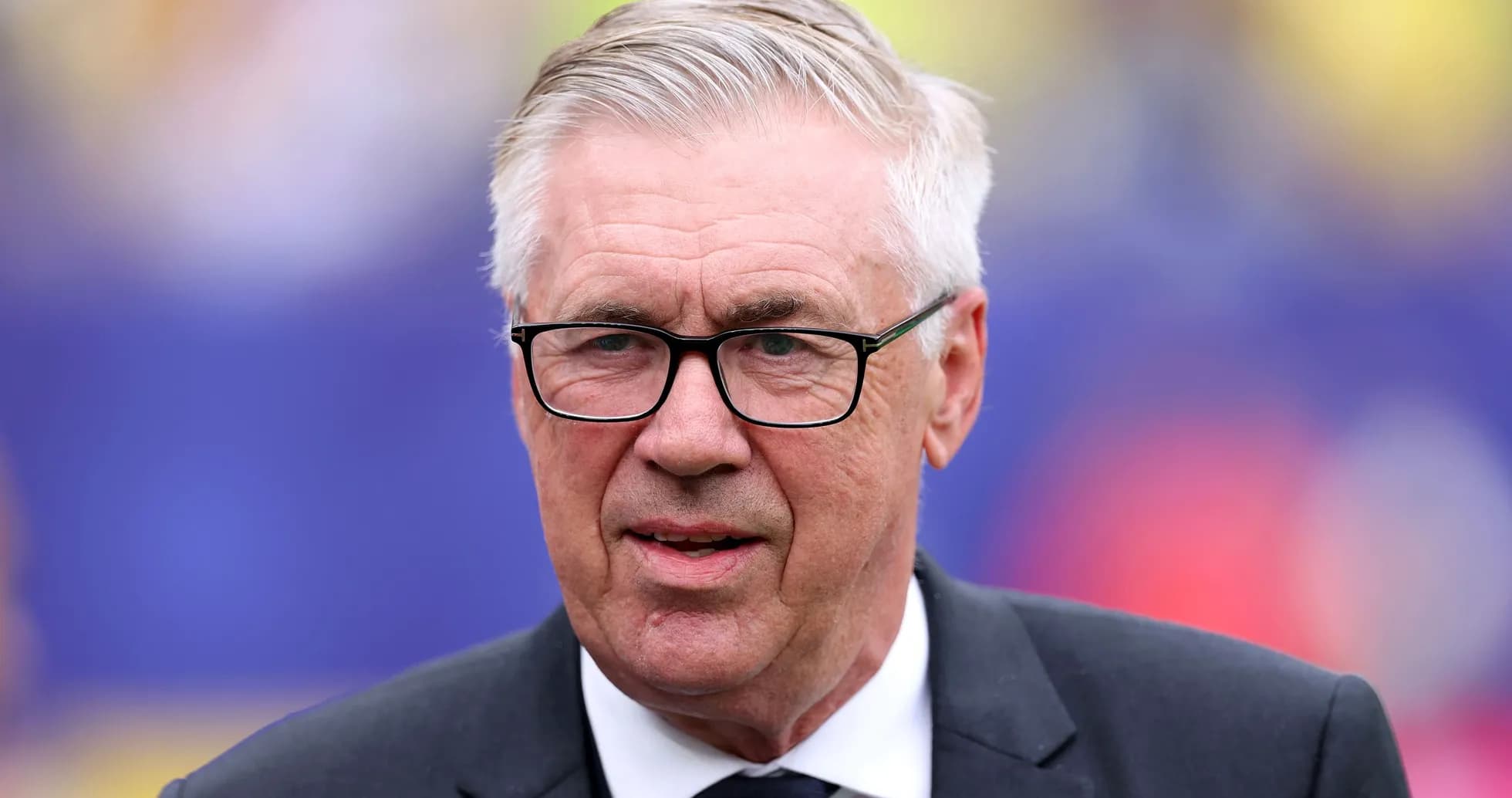
Carlo Ancelotti did not just tweak Brazil. He tore it down and started again.
Stung by a miserable World Cup and a shock round-of-16 exit to Norway, the Italy-born coach has unveiled a radically youthful squad for upcoming friendlies against Australia and India, making good on a promise he delivered in the raw hours after that defeat.
The message is unmistakable: the old Brazil is over. The next one starts now.
Big names out, future in
The headline omission is Alisson. One of the best goalkeepers on the planet, the Liverpool No.1 has been left out entirely as Ancelotti resets his options between the posts.
He is not alone. Casemiro and Fabinho, the veteran anchors who have defined Brazil’s midfield for the best part of a decade, are gone too. Neymar, long the face of the Selecao, is absent following his recent international retirement.
On paper, it looks ruthless. On the pitch, it is deliberate.
Ancelotti has openly targeted players who will still be eligible for the 2028 Olympic Games, building a group that can grow together all the way to the 2030 World Cup. The short-term glamour of a friendly win has been sacrificed for a long-term plan.
“The World Cup was a disappointment for us and for me personally,” he admitted, speaking to ESPN. “The pain of the defeat lingers much longer. Now, however, we are motivated by the fact that we have time to prepare for a new cycle and get ready for the upcoming competitions.”
This is that cycle. And he is not easing into it.
Alisson out, new blood in goal
If any position symbolised stability for Brazil, it was goalkeeper. Alisson has been a constant. Ancelotti has chosen disruption instead.
Hugo Souza, Pedro Morisco and Otavio are the three goalkeepers called up, none with the résumé of the Liverpool star, all with something to prove.
The coach was clear about the logic. “We know Alisson very well, and when the competitions, like the Copa America, come, if he remains being the best goalkeeper in Brazil, Alisson will play. Right now, however, we have to prioritise the younger ones.”
That line cuts to the heart of this squad. Reputation can wait. Development cannot.
A spine of leaders amid the overhaul
This is not a kids-only revolution. Ancelotti has kept a hard core of proven stars to carry the dressing room and steady the team when the novelty wears off and the pressure bites.
Vinicius Junior, now a genuine leader at Real Madrid, stays and will spearhead the attack. Raphinha, a regular at Barcelona, keeps his place on the wing. Chelsea forward Joao Pedro returns after missing the World Cup, a second chance under a coach who clearly believes he can be part of the next generation’s cutting edge.
At the back, Paris Saint-Germain captain Marquinhos remains the defensive reference point, while new Arsenal signing Bruno Guimaraes anchors the midfield and the project itself. They are the bridge between eras.
“I chose these players to help with this change in direction,” Ancelotti explained. “They are crucial for the future and will help the younger players improve. One thing is certain: a player who is 34 or 35 years old isn’t the future; they are the present. If a player of that age is ready to play in a major tournament, they will be in the national squad.”
Age, then, is not a ban. It is a filter. The default is youth; experience must justify its place.
The new faces of Brazil
Look down the list and it reads like a blueprint, not just a squad sheet.
In defence, Arthur Dias, Wesley, Gabriel Magalhaes, Douglas Santos, Jair, Matheuzinho, Maurio Junior and Vitor Reis give Ancelotti a mix of profiles and a back line that can be moulded over years, not months.
The midfield is built around Bruno Guimaraes but loaded with emerging talent: Andrey Santos, Danilo Santos, Douglas Luiz, Breno Bidon and Gabriel Bontempo. They are tasked with replacing the authority and nous of Casemiro and Fabinho, an enormous responsibility but also a rare opportunity to claim the shirt for a decade.
Up front, the excitement is obvious. Endrick, one of the brightest young forwards in world football, joins Joao Pedro, Estevao, Pedro, Raphinha, Rayan, Samuel Lino and Vinicius Junior. Pace, flair, and a lot of raw edges. Exactly what a rebuild looks like.
This is not a squad designed to win every friendly. It is a squad designed to learn from them.
Australia first, then history in India
The first test of this new-look Brazil comes far from home.
They travel to Australia for a double-header, facing the Socceroos in Townsville on September 25 and then again in Brisbane four days later. Two games, one opponent, and a perfect laboratory for Ancelotti to experiment with combinations, partnerships and ideas.
Then comes something different: a journey into uncharted territory.
On October 3, Brazil will play in India for the first time, taking the five-time world champions to Kolkata, a city and a country where they command millions of passionate supporters but have never before set foot in an official match.
For the young players, it is an introduction not just to international football, but to the global weight of the yellow shirt. For Ancelotti, it is a chance to see who embraces that stage and who shrinks from it.
The squad in full
- Goalkeepers: Hugo Souza, Pedro Morisco, Otavio
- Defenders: Arthur Dias, Wesley, Marquinhos, Gabriel Magalhaes, Douglas Santos, Jair, Matheuzinho, Maurio Junior, Vitor Reis
- Midfielders: Bruno Guimaraes, Andrey Santos, Danilo Santos, Dougals Luiz, Breno Bidon, Gabriel Bontempo
- Forwards: Endrick, Joao Pedro, Estevao, Pedro, Raphinha, Rayan, Samuel Lino, Vinicius Junior
The pain of the last World Cup still hangs over Brazil. Ancelotti has chosen not to run from it, but to use it as a starting point. The names have changed. The ambition has not.
The only question now is whether this bold, youthful core can grow fast enough to carry that ambition back to the top of the world by 2030.