Cathy Engelbert Retires as WNBA Commissioner After Transformative Tenure
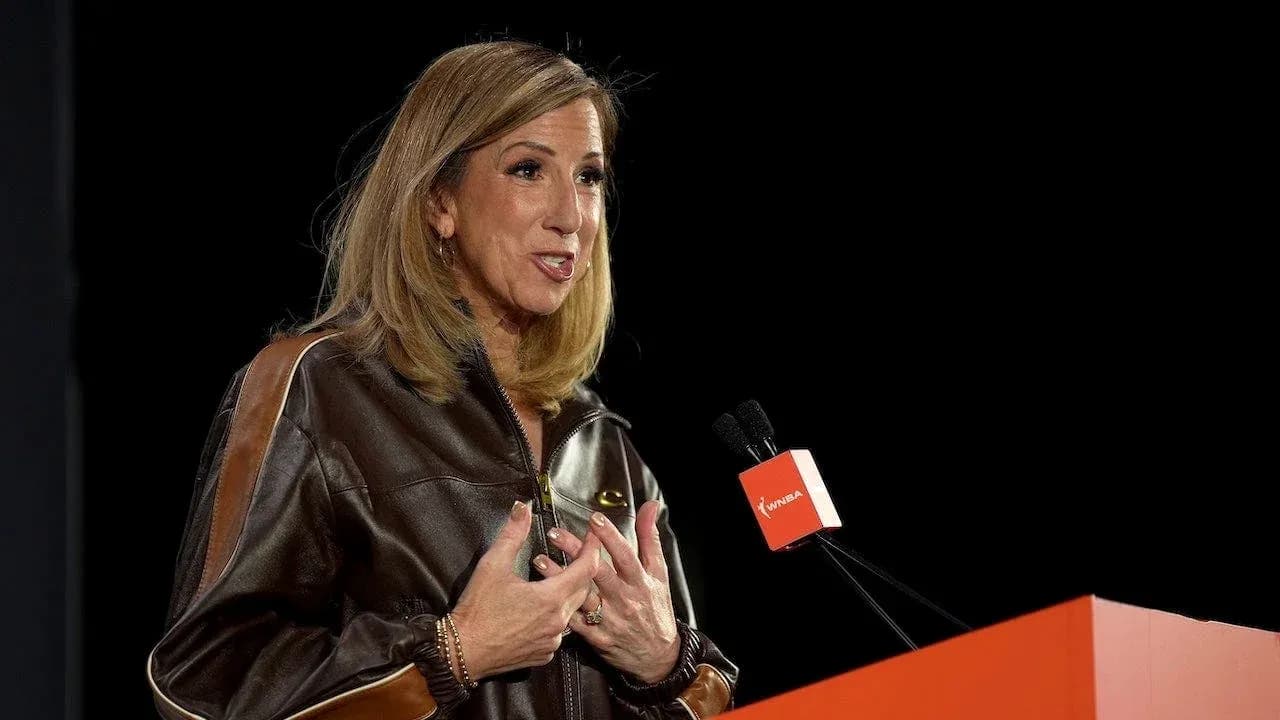
Cathy Engelbert, the first commissioner in WNBA history and the architect of its most aggressive era of growth, will retire at the end of the calendar year, closing a seven-year tenure that reshaped the league’s scale, visibility and ambitions.
The announcement came via NBA commissioner Adam Silver, who publicly backed the outgoing WNBA leader and framed her time in charge as transformative.
“Cathy has presided over the WNBA through the most significant period of growth in the league’s 30-year history,” Silver said in the league’s statement. “We are grateful for Cathy’s leadership and unwavering commitment to the advancement of women’s basketball.”
Engelbert, 61, confirmed the decision in her own statement, drawing a line under more than four decades in business and seven years at the helm of the league.
“After more than seven years at the WNBA and more than 40 total years in business, I have made the decision to retire as WNBA Commissioner,” she said. “In 2019, I had the privilege of being appointed the league’s first commissioner and to lead a league with enormous potential yet untapped awareness and significant undervaluation. Over the years, it has been amazing to watch WNBA players thrive and lead the massive cultural surge around women’s sports.”
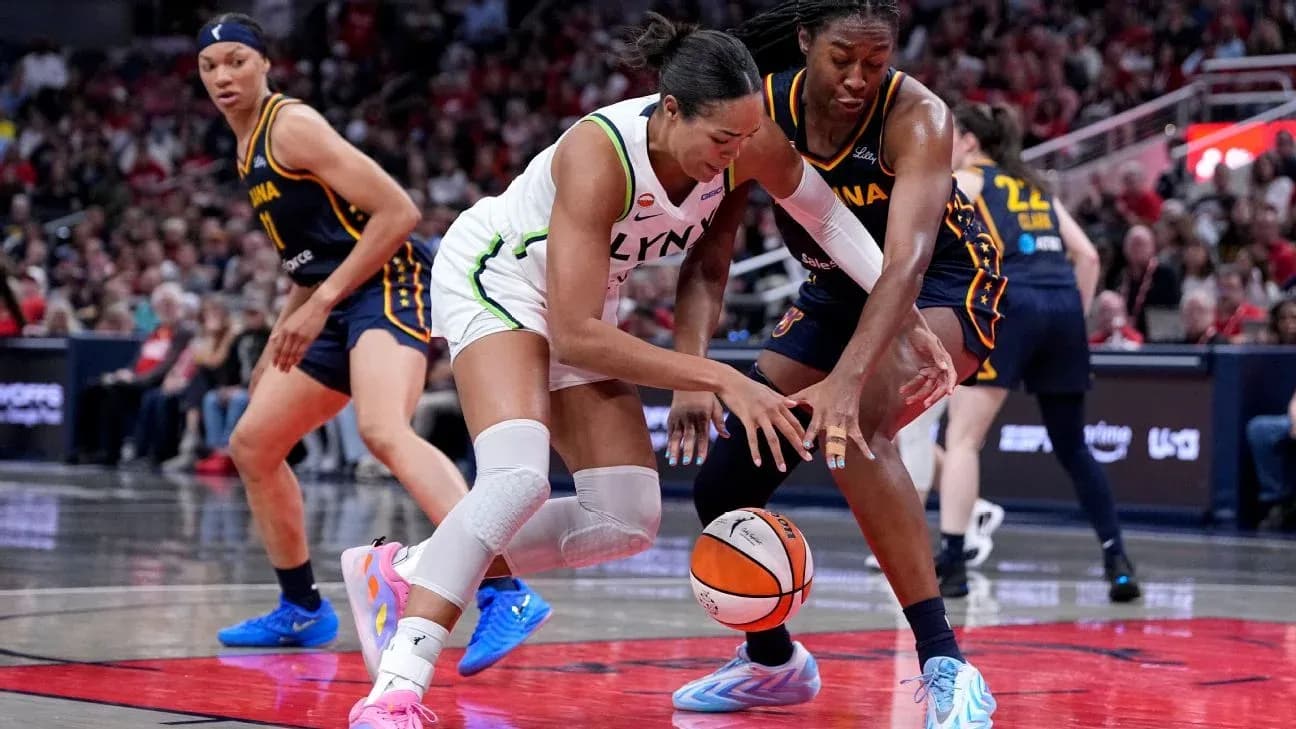
Her exit lands at a volatile time for the league. On-court storylines have repeatedly been dragged into broader cultural debates, with Indiana Fever’s Sophie Cunningham’s comments about trans athletes in women’s sports and the treatment of Caitlin Clark dominating much of this season’s discourse. The WNBA has enjoyed record attention, but it has also found itself under an unforgiving spotlight.
Through all of that, Engelbert’s tenure has been defined by expansion and a hard push to modernize the business. When she took over, the league had 12 teams. Under her watch, that number climbed to 18, an aggressive jump that signaled confidence in the product and its market.
The league credits her with driving a wave of commercial and audience growth. In its statement, the WNBA said Engelbert helped oversee “increases in viewership and historic highs have been reached in digital engagement, game attendance, League Pass subscribers, merchandise sales, corporate partnership revenues and franchise valuations.”
She also helped steer the WNBA’s media rights negotiations and its collective bargaining agreement, two pillars that will shape the league’s financial future long after she steps away.
Not everything drew universal praise. Engelbert has faced sharp criticism for how the league has marketed its biggest stars, particularly Clark, whose arrival has supercharged interest and sparked debate over whether the WNBA fully capitalized on the moment. The growth numbers are undeniable; the arguments over how that growth was managed will follow her legacy.
On the court and in the calendar, Engelbert left clear fingerprints. In 2021, she introduced the in-season Commissioner’s Cup, a tournament designed to add competitive stakes and fresh inventory for broadcasters and sponsors. She later pushed through major schedule changes: the regular season expanded to 44 games in 2025, with plans already announced for a record 50-game slate in 2027. For players, coaches, and fans, the WNBA is now a far bigger presence in the sports year than it was when she arrived.
Engelbert framed her departure not as an escape from controversy but as a handoff at a moment of strength.
“I retire knowing we have built something bigger, stronger and more enduring than we could have imagined,” she said. “I am grateful to the WNBA and NBA team owners and staff, players, investors, fans and the powerhouse league office staff, who believed in what this league could become. I retire with immense gratitude and tremendous optimism for the future of the WNBA, with the best yet to come.”
Her successor has not yet been named. Whoever steps in will inherit a league that is larger, richer, louder—and under more scrutiny than ever.