Celtic's Struggles: A Team in Crisis
The questions around Celtic are no longer whispered. They’re being shouted.
Another bruising night in Europe, another three goals shipped, and a team that once tore opponents apart with pace and conviction now looks like a faded copy of itself. For all that Martin O’Neill has earned a kind of immunity among Celtic supporters, their faith is being stretched to breaking point.
They were thrashed at Ibrox. They were beaten up again by Ferencvaros. This is no blip. It feels like something more corrosive.
From controlled chaos to something worse
The performance in Hungary was a collage of all the things that now ail this Celtic side: careless passing in midfield, slack concentration at the back, a lack of intensity without the ball and a startling absence of courage with it. The basics – pass, move, support, repeat – have deserted them.
At 3-1 down, they tried to rouse themselves. Long-range efforts, hopeful swipes, a bit of noise. Nothing that resembled the coordinated, high-speed press and relentless movement that defined the best days under Ange Postecoglou. That Celtic hunted in packs, played on the front foot and dragged defenders into areas they hated. This Celtic drifts.
The comparison is cruel because it is accurate. This is a poor imitation of a side that once felt like it was permanently in fast-forward.
The numbers underline the story. Celtic had 62.5% of the ball in the first half yet trailed 2-1. They passed it, but they did not hurt with it. They probed, but they did not pierce. Possession without menace is just a statistic, and right now Celtic are hiding behind the wrong ones.
Echoes of old failures
What unfolded against Ferencvaros carried an unwelcome familiarity. Supporters of a certain vintage will have recognised the pattern instantly: a soft concession after a decent start, a brief flicker of quality to get back into it, then a relapse into timidity and error.
It was the kind of evening that dragged the mind back to Cluj and Copenhagen in 2019 and 2020, to Sparta Prague in 2020, to those nights when Celtic’s European frailties were laid bare and the names on the teamsheet – Bayo, Bolingoli, Klimala, Ajeti, Duffy, Laxalt – became shorthand for a club that had lost its way.
Ferencvaros joined the roll call that already includes Legia Warsaw, Salzburg, Maribor. The energy levels sagged, the home support voiced its anger, and the image of a team utterly devoid of answers was impossible to ignore.
The goals they conceded told their own tale. The strike just before half-time was a case study in how poor sides defend: hesitation in going for the loose ball, weakness in stopping the cross, then chaos and confusion in the middle as the danger unfolded. It was not an isolated moment. It was a symptom.
O’Neill’s flat response
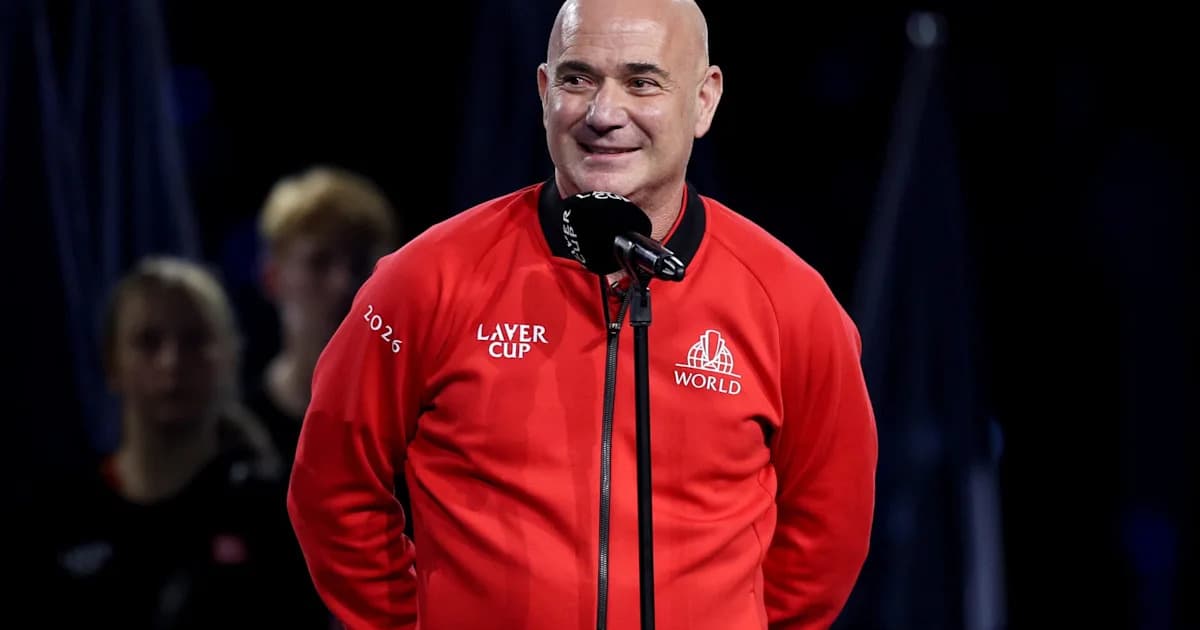
When it was over, O’Neill spoke of frustration, failure, psychological scars. He acknowledged the damage, admitted the weight of it. He vowed to “get ourselves together” for Rangers on Sunday, but the delivery lacked spark. The words were there; the conviction was not.
He listed the deficiencies – and there were plenty – but did not sound like a man brimming with solutions. In tone and content, his post-match interview mirrored his team: heavy-legged, drained, dispiriting.
This is the same manager who walked back into Celtic last season and imposed order on chaos. He steadied a listing ship, restored confidence and built a team that, while not always thrilling, was brutally hard to beat. On the title run-in, nobody managed it. They had a hardness, a refusal to fold.
That resilience now feels distant. The never-say-die edge that once defined them has dulled. Celtic look vulnerable, and they look it often.
Key men off the boil
Up front, the problems are stark. Camilo Duran, preferred through the middle to Kasper Hogh, had just eight touches in the first half. Eight. In his favoured role, he barely left a fingerprint on the game. A player who arrived in Glasgow bursting with enthusiasm and energy now looks shorn of both.
Hogh’s transformation is even more jarring. This is a striker who scored against Manchester City (twice), Atletico Madrid, Inter Milan, Sporting, Porto, Jagiellonia and Olympiacos (three) for Bodo Glimt. At Celtic, he has become an awkward, isolated figure, his first touch uncertain, his service almost non-existent. One goal in eight games is a return that speaks to both his struggles and the team’s inability to play to his strengths.
Behind them, Callum McGregor – the heartbeat, the metronome, the totem – is searching. He looks a little lost in a side that no longer moves around him with clarity and purpose. When McGregor wobbles, Celtic usually shudder.
O’Neill has the experience to fix it. He has done it before. But the clock is ticking and his demeanour right now does not scream conviction.
Arzani’s sting and the Keystone Cops
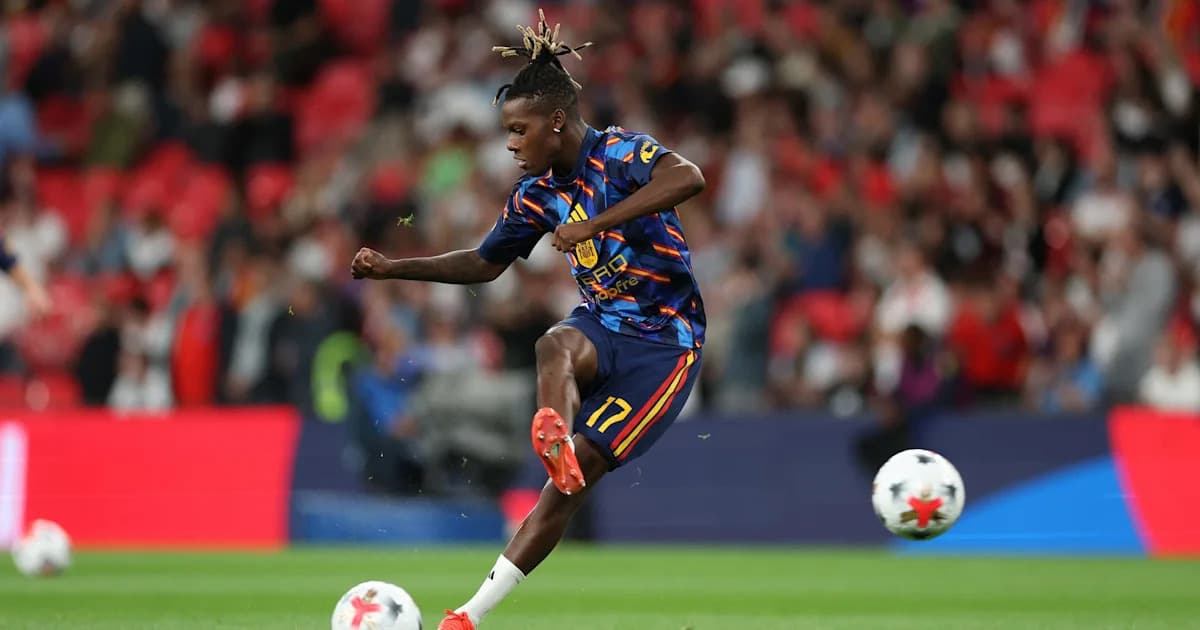
As if Celtic needed another twist of the knife, Daniel Arzani provided it. The former Celtic winger, who came and went from Glasgow in a blur of anonymity, stepped into the acres of space gifted to him on the left and delivered the kind of finish supporters barely knew he possessed.
The move that led to it was damning. Colby Donovan had over-committed in attack, leaving a gaping void behind him. Ferencvaros broke, Celtic scrambled, and Arzani waited, composed himself and whipped a ruthless shot into the top corner. It was simple. Too simple.
The defending had an almost slapstick quality. There was more structure in the Keystone Cops.
A broken side before the derby
McGregor has admitted the team is “a little bit broken” at the moment. That is not the kind of phrase Celtic captains tend to use lightly. It is also the kind of line that will have been noted across the city.
Rangers, already buoyed by their demolition job at Ibrox, will fancy this. A wounded animal can be dangerous, but it can also be easy prey if the wounds run deep enough. Celtic look short of ideas, short of conviction, short of composure, short of physical and mental edge, short of creativity, short of ruthlessness, short of appetite for the fight.
O’Neill himself appears drained of inspiration. His career is built on comebacks, on dragging teams out of tight corners and turning crisis into momentum. It would be foolish to write him off. But there is a lot to mend here, and not much time to do it.
Sunday at Celtic Park now looms as something far bigger than just the second instalment of this season’s Old Firm saga. It feels like a crossroads.
Are Celtic still a team that can summon a response when the lights burn brightest? Or are they about to discover that the gap between their reputation and their reality has never been wider?