Champions League Draw: The Melodrama Behind the Headlines
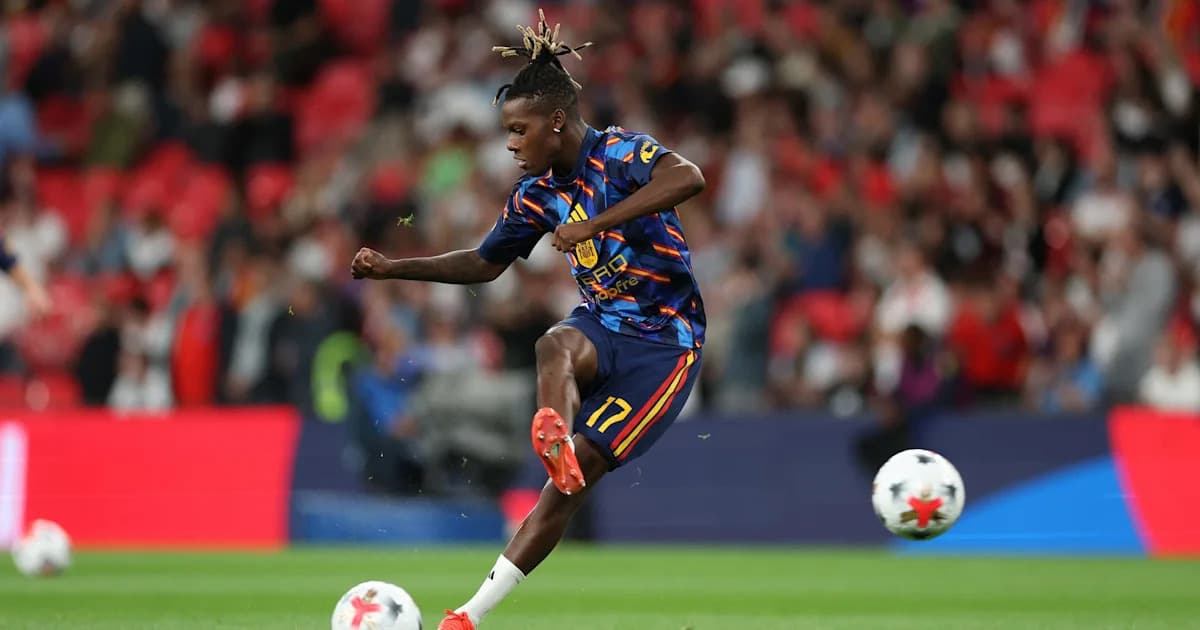
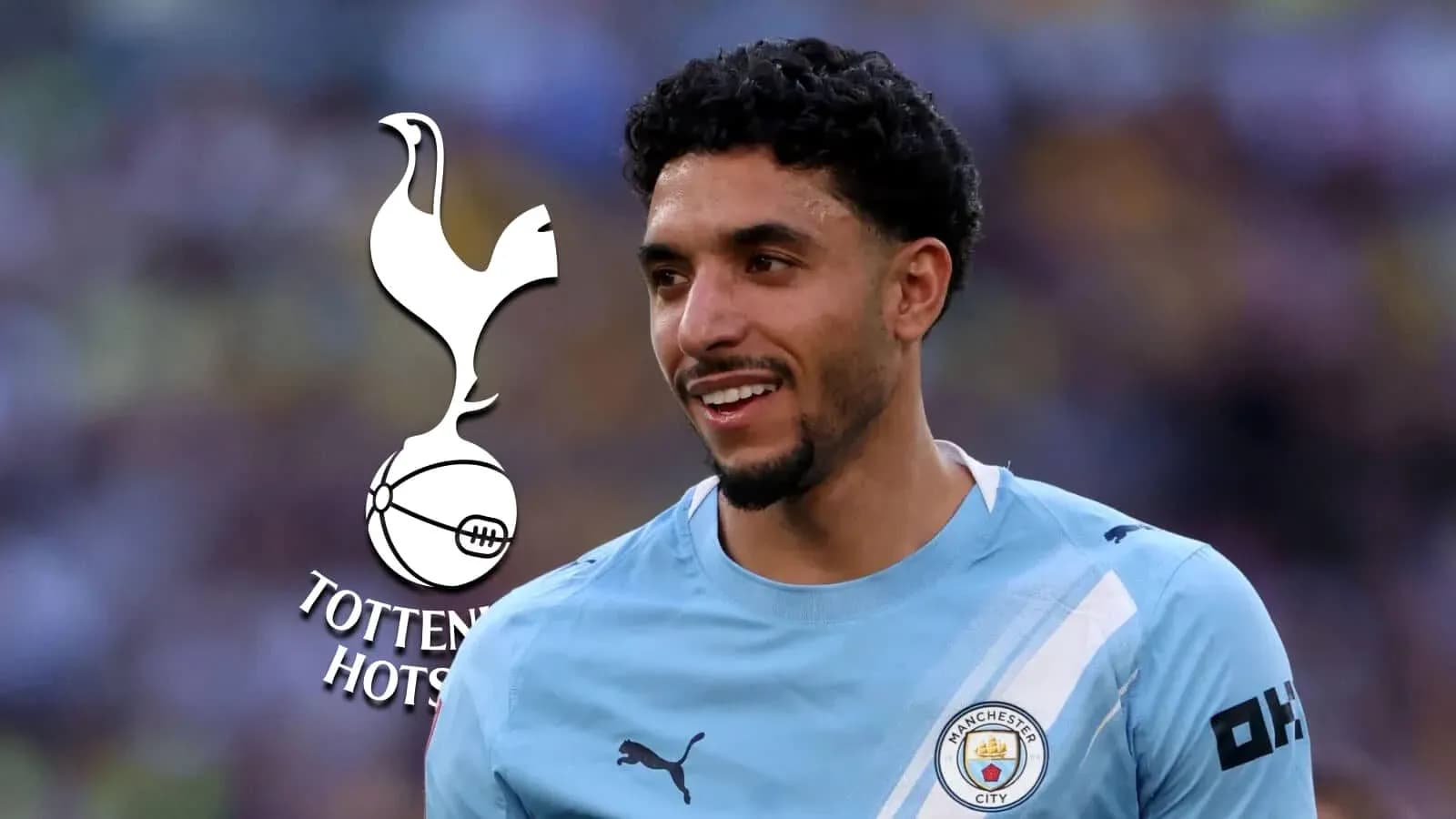
Omar Marmoush has barely packed his bags for London and already, we’re told, he’s suffered an “immediate Tottenham blow”. The same sort of catastrophe, apparently, that Carlos Baleba somehow overcame before signing for Manchester United.
It’s nonsense. All of it.
The ‘nightmare’ that everyone has
You’d think, from the headlines, that the Champions League draw had unleashed some unique terror on a select few.
- “Arsenal’s Champions League draw in full as Gunners handed nightmare fixtures.”
- “Man City handed nightmare Champions League draw with Arsenal also given tricky fixtures as Man United face old foes on return to competition – and Jose’s back at the Bridge!”
- “Champions League group phase predicted by supercomputer with Man Utd having a nightmare after horror draw.”
The language is apocalyptic. The reality? Europe’s elite competition now contains a lot of elite teams. If you’re in it, you’re going to face some. That’s not a nightmare. That’s the point.
United’s ‘horror’ scenario that isn’t
Take that Manchester United “nightmare after horror draw” being pushed as if Old Trafford has been dropped into some footballing underworld.
United, we’re told, have been “tipped to agonisingly miss out on the top eight” of the new Champions League league phase. The “boffins and brainiacs” at Football Ranked have run their models and have Michael Carrick’s side finishing ninth.
Strip away the drama and what does that actually mean? United, in this projection, would become the highest-ranked seeded team in the knockout play-offs, facing the weakest unseeded opponent.
That’s not a horror show. That’s a decent platform. A slightly awkward route, maybe, but hardly the stuff of sleepless nights.
Liverpool’s stealth myth
Jeremy Cross, in the Daily Mirror, makes a fair overarching point: Liverpool, once the benchmark for smart recruitment, now look just as muddled as Manchester United in the market.
Then the narrative swerves.
“In that same period, Liverpool conducted their own business with ruthless stealth. Big targets were kept under the radar, until a deal was so close to being completed it would be made public.
This happened with the likes of Virgil Van Dijk, Alexis Mac Allister, Alisson and Luis Diaz, to name but a few.”
It sounds slick. It just isn’t true in the way it’s framed.
Liverpool’s pursuit of Virgil van Dijk was so “under the radar” that Southampton reported them to the Premier League for making an illegal approach. Liverpool were forced into a public apology, an extraordinary step for a club usually so controlled in its communication.
That episode was many things. “Ruthless stealth” was not one of them.
The Barcola ‘desperation’ that never was
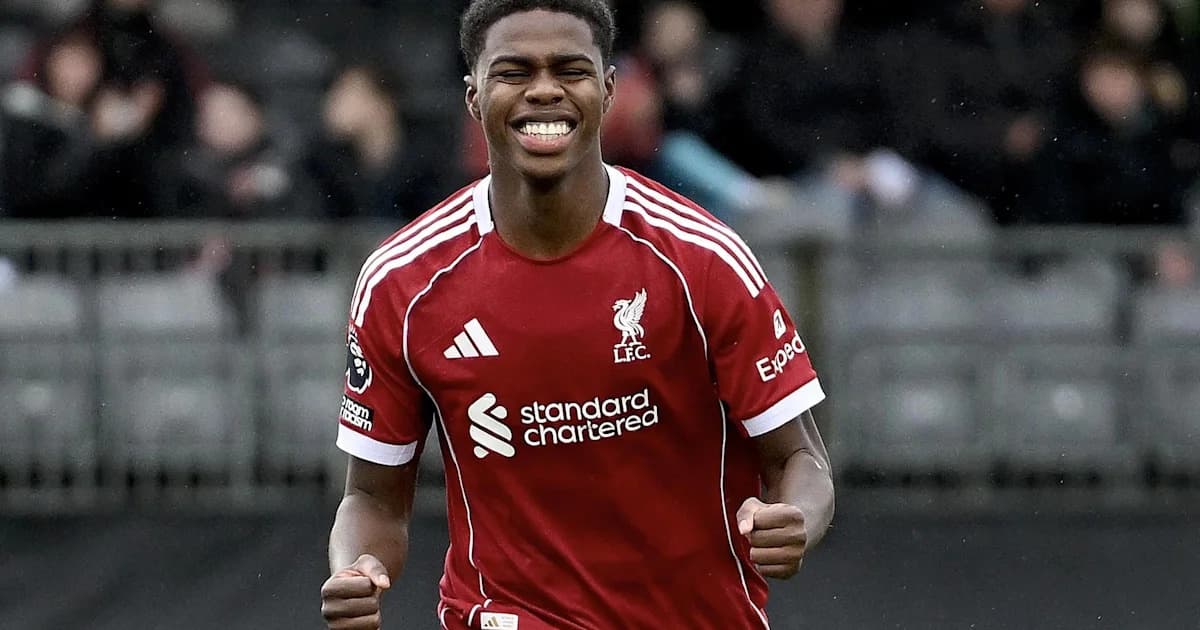
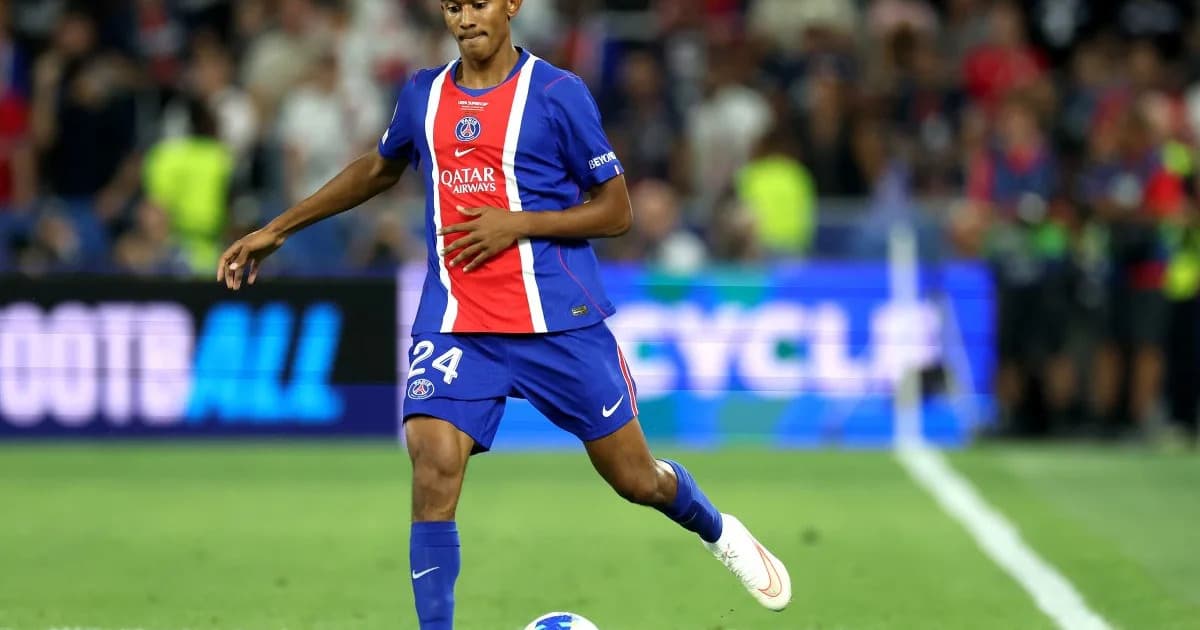
Then comes the Bradley Barcola section.
“Negotiations are taking place with PSG about a deal for Bradley Barcola, with a deal likely to come close to the fee paid to Newcastle for Isak.
Under normal circumstances, such a move would leave supporters feeling overwhelmed excitement.
The problem is, Liverpool have turned to Barcola in desperation less than a week before the transfer window closes, having pulled out of the bidding for Brighton’s Yankuba Minteh.”
The framing is bizarre. Liverpool have not “turned to Barcola in desperation” in the final days of the window. They have been working on the deal all summer. Big transfers at the £120m level are complex, protracted and politically sensitive. They drag. That’s not panic; it’s process.
Cross, of all people, should understand that. His own reporting on Elliot Anderson’s move tied itself into so many knots it became a case study in how messy these things get long before the fee is agreed.
Shirt numbers and ‘immediate blows’
From there, the narrative slides into full parody.
- “Bradley Barcola set to wear bizarre unused shirt number at Liverpool,” screams one headline.
- “Bradley Barcola can wear dream shirt number at Liverpool after PSG transfer agreement reached,” counters another.
One man’s “bizarre” is, apparently, the same man’s “dream”. The only thing that’s clear is the desperation to squeeze a story out of a number on a shirt.
Which brings us back to Omar Marmoush.
“Omar Marmoush to suffer immediate Tottenham blow after Man City £60m transfer breakthrough,” declares the Daily Express website, in a familiar cadence. It’s the same melodrama they used for Carlos Baleba’s move to Manchester United.
The “immediate blow”? Not an injury. Not a failed medical. Not a collapsed deal.
A shirt number.
“Moving to Tottenham will give Marmoush the opportunity to play more regularly, having only made eight Premier League starts for City last season. However, he won’t have everything his own way when he arrives in the capital.
That’s because he will need to pick a different shirt number, with his preferred No 7 already occupied by Xavi Simons.”
Imagine the crisis talks. The anguish. The urge to scour the fine print for a clause that lets him scuttle back to Manchester City, where he may not play but at least he can keep the No. 7.
This is where parts of the industry have landed: grown professionals presented as emotionally fragile because they might have to wear 11 instead of 7.
Ronaldo, United and a stall nobody wanted to visit
There is a serious point buried elsewhere, raised by Samuel Luckhurst: Manchester United have still not sold a single first-team player this summer. For a club trying to reset its football structure, that’s a glaring failure.
The argument is sound. The closing flourish is not.
“Even one of the greatest, Cristiano Ronaldo, was burnt by his association with United.
When Ronaldo effectively filed for divorce with his November 2022 interview with the sycophantic Piers Morgan, Morgan said: ‘If it was just about money, you’d be in Saudi Arabia.’
Saudi was the only place to offer Ronaldo a home. Even he did not have shoppers flocking to United’s stall.”
The implication is that United’s dysfunction ran so deep that even Ronaldo, one of the greatest to play the game, couldn’t attract a buyer.
The reality is far simpler and far less flattering to the player. By that point, Ronaldo had shown himself to be a 37-year-old forward on astronomical wages, publicly undermining his manager, walking off mid-game, and prioritising his own ego over the team’s needs.
Clubs didn’t stay away from United’s “stall” because of the badge on the front. They stayed away because of the man, the money and the baggage attached to the name on the back.
That has nothing to do with United’s current struggle to find takers for the likes of Joshua Zirkzee. It’s a different problem entirely, dressed up as the same one.
And that’s the thread running through so much of this coverage: routine issues inflated into crises, complex realities boiled down to melodrama, and shirt numbers spun as “immediate blows” in a game where the real battles are happening far away from the marketing rail in the club shop.