Chaos in Orlando: Jenkins Upsets Perry at Duel Arena 1
Duel Arena 1 arrived in Orlando promising chaos, controversy and a throwback to the wild-west days of fringe fight promotions. It delivered, just not in the way Mike Perry or the event’s backers imagined.
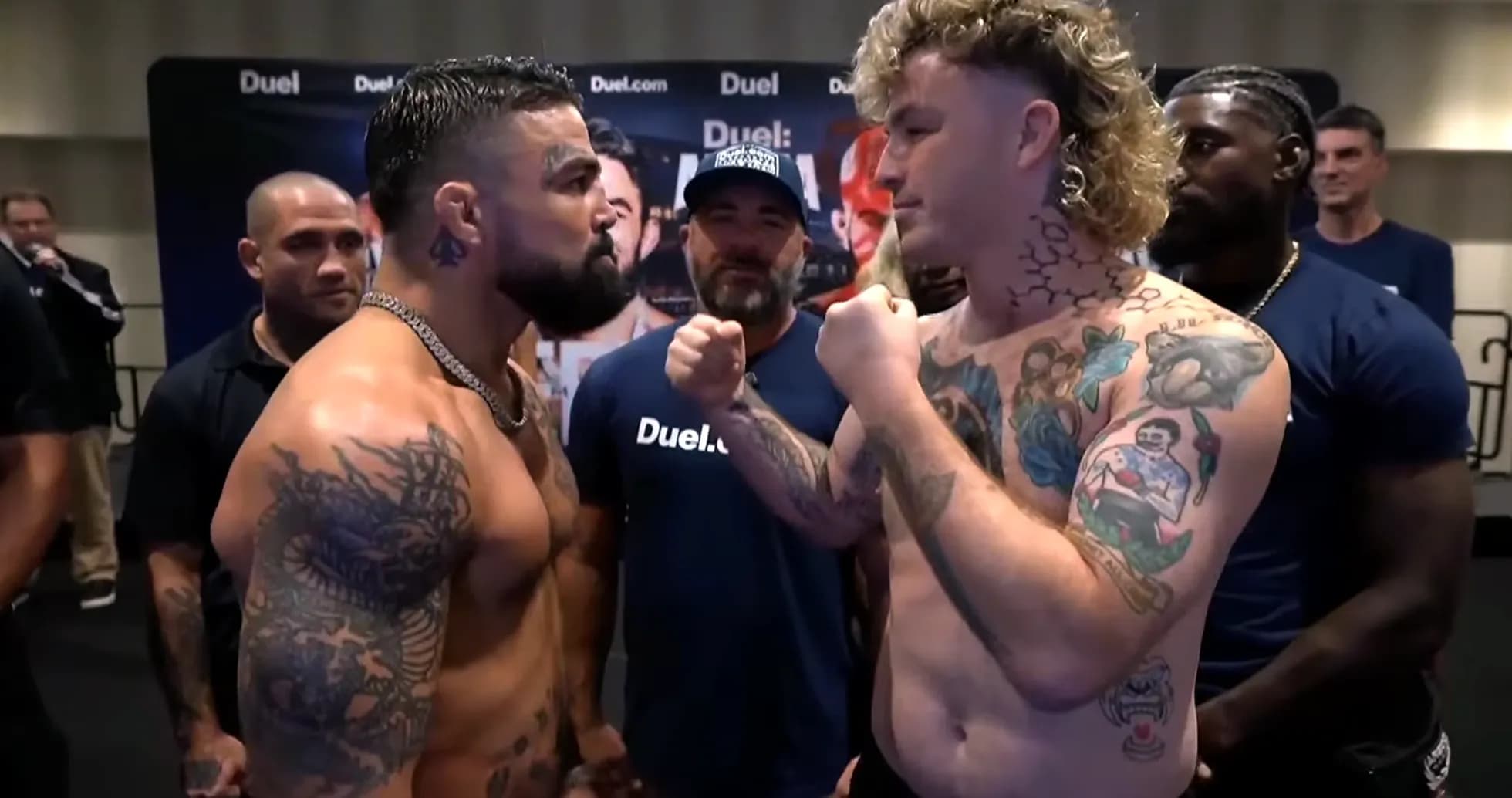
What launched as a sportsbook-fueled hybrid card – part MMA, part boxing, part kickboxing, all in a ring – was meant to be a pay-per-view headlined by Perry vs. Dillon Danis. Danis bailed on fight week. The promotion responded with online abuse, trolling him on its official channels and even hiring his mother, Nikki Carpiniello, as a ring card girl, posting a provocative image to twist the knife. By fight night, the show had been downgraded to a free YouTube stream at Kia Center, but the circus atmosphere stayed firmly intact.
Jenkins flips the script on Perry
When Brandon Jenkins stepped in on a day’s notice to replace Danis, Perry framed it as a suicide mission. The Floridian, the self-styled BKFC “King of Violence,” promised the late stand-in had signed his “death certificate.”
Instead, it was Perry who unraveled.
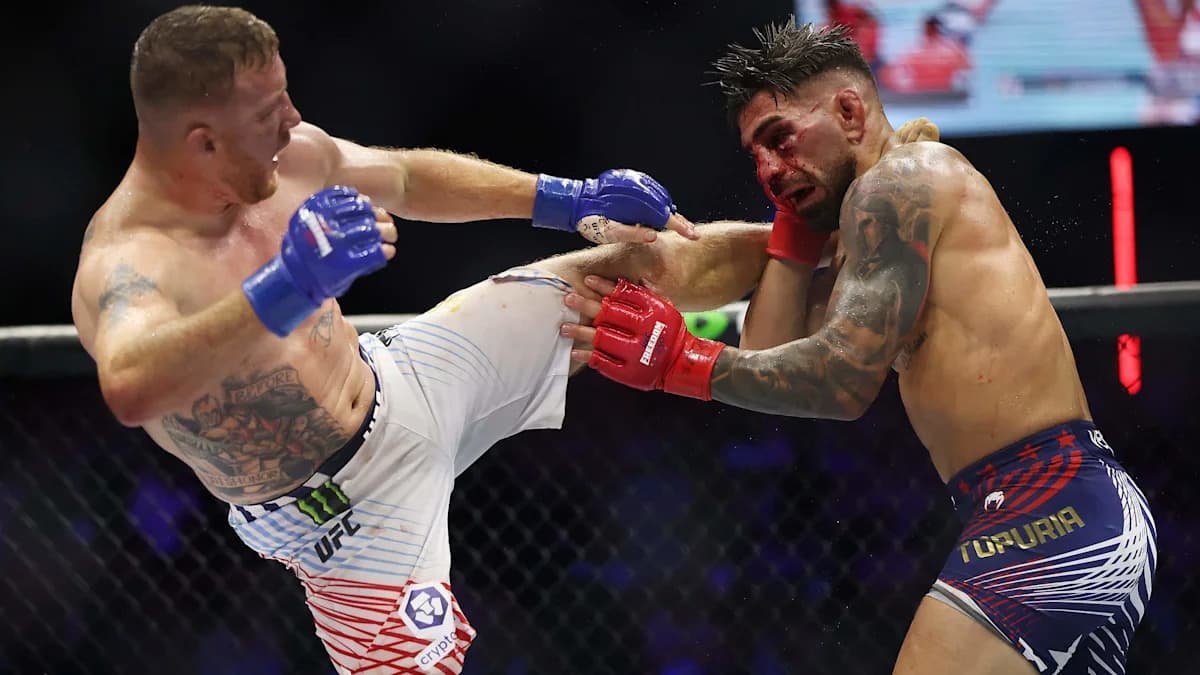
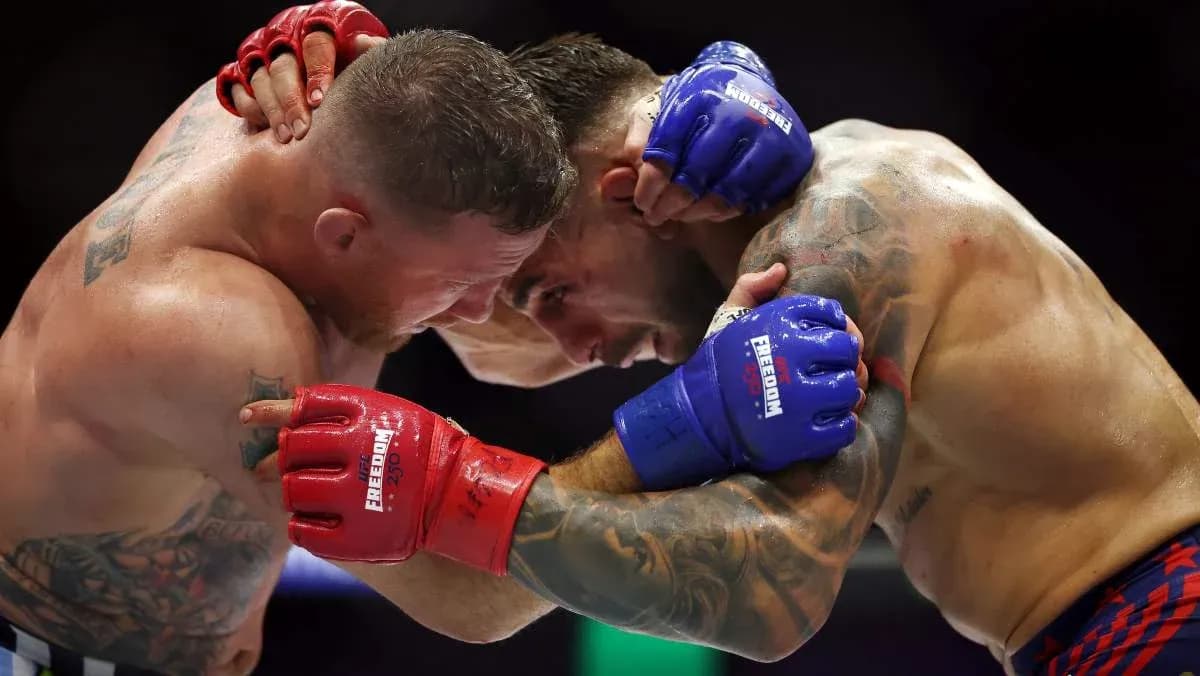
Jenkins went after him early, refusing to play the grateful replacement. He pressed the action, took the center, and made Perry work in front of his home crowd. Then came the turning point: Perry appeared to dislocate his left shoulder. Jenkins didn’t hesitate. He walked Perry down, piled on pressure, and tore through him for a statement finish over a former UFC name who had spent the week talking about punishment, not survival.
On the broadcast, the commentary leaned heavily into Perry’s injury, treating the main event as though it had been snatched away by misfortune rather than taken by a better-prepared opportunist. Jenkins’ short-notice gamble and ruthless closeout barely drew a fraction of the praise given to Perry simply for showing up.
The reality was harsher. Perry had his showcase in Orlando, with the promotion built around his chaos and his name. He left injured, beaten, and helped off the canvas by a man who got the call barely 24 hours earlier.
Manuwa turns back the clock
Earlier on the main card, another familiar face from the UFC ranks rewrote his own script.
Chase Sherman, the former UFC heavyweight, dropped ex-UFC light heavyweight Jimi Manuwa in the opening round of their boxing match, planting the 46-year-old Brit on the canvas and hinting at a rough return after seven years away from competition.
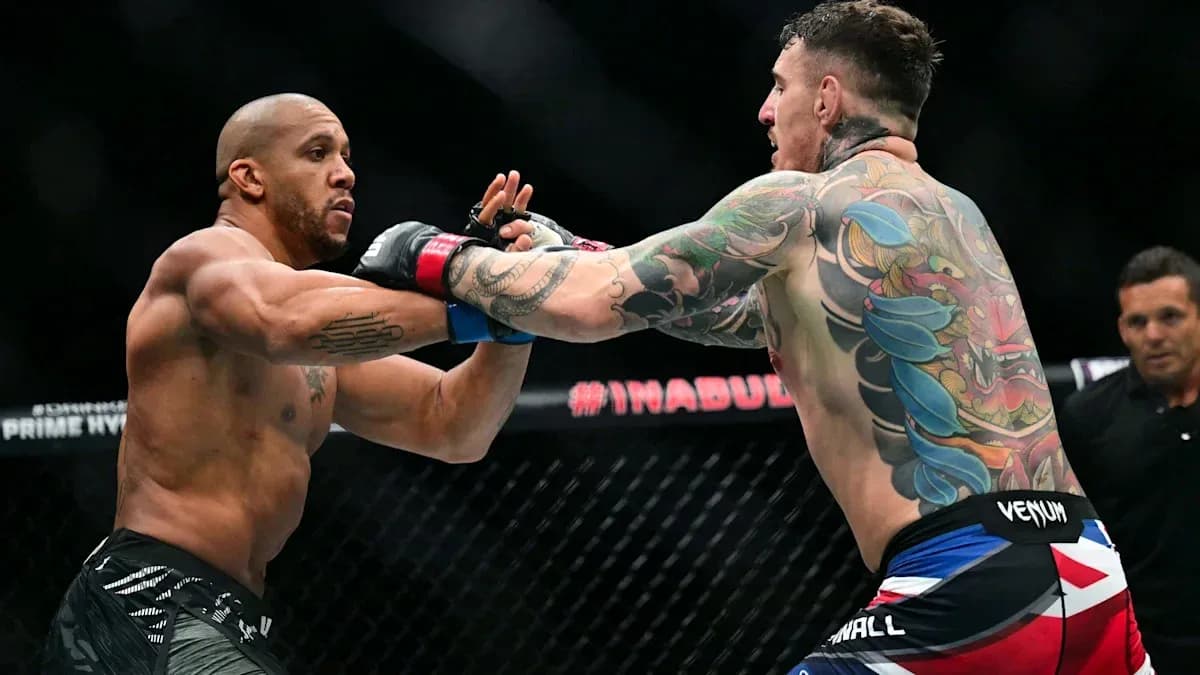
Manuwa refused to fade. In the second round he began to find his rhythm, then his power. He tagged Sherman repeatedly, turned the tide, and forced a second-round stoppage, a late-career flash of the violence that once made him one of the most feared punchers at 205 pounds.
Clark’s meltdown and a disqualification
If the fights were messy, the storylines around them were worse.
Patrick Clark Jr., once known to WWE fans as Velveteen Dream, entered the ring carrying years of scandal. He had been released by WWE after allegations of sending lewd images to minors and separate grooming accusations from another wrestler. Clark publicly denied the claims at the time, though he later apologized for past behaviors without fully clearing the cloud around him.
His opponent in Orlando, Ryan Pownall – a podcast host turned boxer – brought that history front and center at the press conference, repeatedly calling Clark a “pedophile” and triggering a visible meltdown. The animosity carried into fight night, where Clark’s performance and behavior spiraled to the point he was disqualified after making a spectacle of himself.
On a card already drenched in bad taste, it was another reminder of the type of notoriety this promotion seemed intent on courting.
Pownall was awarded the win by DQ in their cruiserweight boxing bout.
Rowe grinds out a win, looks back toward UFC
Phil Rowe’s night was quieter, but no less telling of the card’s patchwork feel.
The former UFC welterweight outworked Javanis Ross over four rounds in a boxing match, doing enough to sweep one judge’s card and win two rounds on the other two. It was professional, efficient, and largely uneventful.
Rowe used his post-fight moment to angle for a return to the UFC. His previous run included a three-fight winning streak undermined by two missed weights, followed by four losses in five outings and his release. Since then, he has picked up one MMA win and now this boxing victory. History suggests stranger résumés have earned a second call from the promotion he once left on a sour note.
Cunningham’s brutal elbow – and a toxic backdrop
The highlight-reel moment of the prelims belonged to AJ Cunningham, and it was vicious.
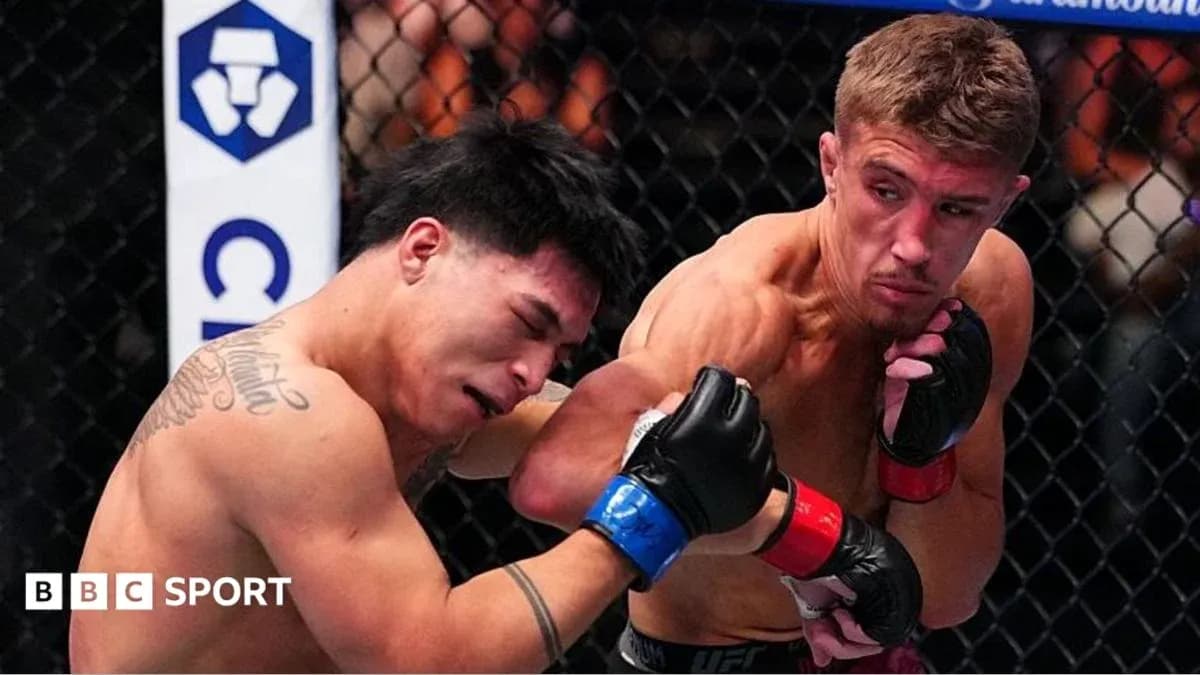
Cunningham flattened Joe Penafiel with a spinning back elbow, a walk-off KO that would headline any standard combat sports reel. Yet nothing about Cunningham’s presence is standard. The lightweight has long been labeled a nazi sympathizer and one of the sport’s more reviled figures. He arrived in Orlando on a three-year skid, having gone 0-2 in the UFC after a DWCS loss and a short-notice call-up that didn’t pan out.
Cornered by Jake Shields, Cunningham finally snapped his drought in spectacular fashion. The timing, though, was surreal: a violent, technically brilliant finish serving as the opener for a magician vs. juggler novelty bout. That placement said plenty about the promotion’s priorities.
A circus around the fights
From the opening bell, Duel Arena 1 leaned hard into spectacle.
The broadcast opened with a promo for a fight between a 4-foot-6 influencer and the 5-foot-6 owner of Duel.com. After the video rolled, viewers sat through several minutes of dead air before either man actually walked to the ring. The owner lost a decision in a bout that felt more like content than competition.
The production team, to its credit, hit its marks early, drawing praise on-air. But the pacing veered between silence and absurdity. At one point, the show drifted into extended chatter about conspiracy theories and where Bryce Mitchell fits into that universe. At another, a backstage interviewer took a guided tour of the ring, as if a standard boxing setup – logo in the middle, ropes on the outside – were some never-before-seen innovation.
Then came the “King of Ass Magic” against a juggler, an actual booked contest on a combat sports card. They boxed. The broadcast groaned. Even the graphic crew couldn’t get the “Ass Magic” performer’s name right on screen.
Threaded through it all was the promotion’s decision to spotlight Nikki Carpiniello, Danis’ mother, as a special ring card girl – a move telegraphed online as a deliberate troll of the absent headliner. It fit the night’s tone: controversy first, competition somewhere down the list.
A debut that showed its hand
By the time Brandon Jenkins stood over a beaten Mike Perry, Duel Arena 1 had already revealed exactly what it wanted to be: a carnival of outrage, nostalgia acts, and viral oddities wrapped around a handful of genuine fights.
Jenkins’ win, Manuwa’s late-career knockout, Rowe’s steady hand, Cunningham’s elbow – they all offered real sporting value. Yet they unfolded inside a promotion that seemed more invested in shock tactics, insults, and sideshow booking than in building a sustainable fight product.
The question now is simple: was this a one-night sugar rush, or the blueprint for a new corner of combat sports that survives on chaos alone?