Chelsea's Stunning Comeback Against Leeds in Carabao Cup
Chelsea flirted with embarrassment, toyed with collapse, then ripped Leeds apart.
On a wild night in the Carabao Cup, a heavily rotated Chelsea side lurched from crisis to comeback, from boos to bedlam, as Xabi Alonso’s men survived a scare and eventually overpowered Leeds 6-3.
Alonso’s gamble backfires
Alonso rolled the dice. Nine changes from the weekend defeat to Arsenal, a team stitched together from squad players and hopefuls, and it showed.
Chelsea were flat. Disjointed. Leeds sensed it immediately.
Tarik Muharemovic punished the lethargy, striking to give the visitors a deserved 1-0 lead at the break. Chelsea’s back line looked brittle, the midfield disconnected, the attack short of ideas. For all the money spent and the depth on paper, this was a second string that creaked under pressure.
Any expectation of a reset after half-time vanished within minutes. Brenden Aaronson doubled Leeds’ advantage shortly after the restart, and Stamford Bridge felt the chill of a genuine cup shock.
At 2-0 down, Alonso’s selection gamble looked reckless.
Four changes, one eruption
He did not wait. Four substitutions at the interval, and with them, the entire mood of the night flipped.
The response was immediate. Cole Palmer, one of the few Chelsea players who has carried authority in recent weeks, dragged his team back into the tie. First, he buried a penalty to give Chelsea a lifeline. Two minutes later, he struck again, levelling the match and igniting the stadium.
Leeds, who had controlled the game for almost an hour, suddenly looked stunned. The momentum that had been theirs evaporated in a blur of blue shirts.
The pressure told again. Pedro Neto, feeding off the chaos, pounced to complete a staggering six-minute turnaround. From 0-2 to 3-2, Chelsea had flipped the script with ruthless speed.
Leeds reeled. Chelsea smelled blood.
Morgan Rogers, one of the substitutes, began to run the game between the lines. His clever movement and sharp passing carved Leeds open, and when he slipped in Danny Welbeck, the forward coolly extended the lead to 4-2. What had been a shambles of a first half had become a second-half blitz.
Leeds refuse to fold, Chelsea hit back harder
Leeds, to their credit, did not disappear.
Dominic Calvert-Lewin pulled one back to make it 4-3, nudging nerves back into the home crowd and exposing again how vulnerable Chelsea’s rotated defence remained. For all the attacking fireworks, the fragility at the back never truly vanished.
But this time, Chelsea refused to let the game spiral.
Valentin Barco, still waiting for his moment in a blue shirt, chose the perfect night to announce himself. His first goal for the club restored daylight between the sides and punctured any lingering Leeds belief.
Rogers, still orchestrating, kept twisting the knife. By the time Welbeck grabbed his second late on to complete the 6-3 scoreline, the contest had turned into a rout. Rogers walked off with three assists, the embodiment of the difference in quality from the bench.
Alonso takes the blame, not the easy excuse
The scoreline flatters the hosts. The chaos does not.
This was not a controlled, polished cup win. It was a rescue act, driven by senior figures off the bench and a manager forced to correct his own miscalculation.
Alonso did not hide from that.
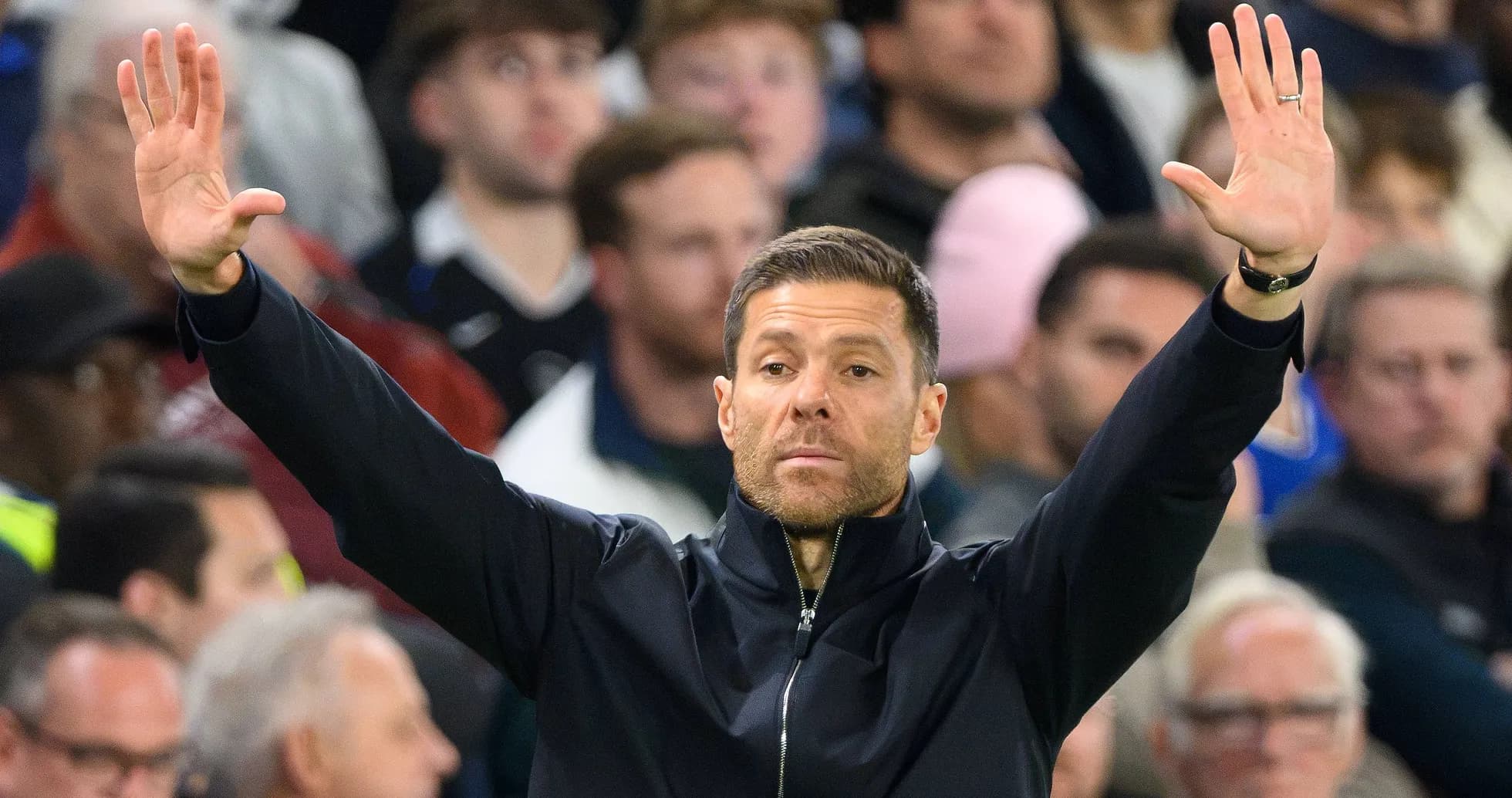
“I take responsibility,” he said afterwards. No attempt to deflect, no public shaming of the fringe players he had trusted. “No player to blame, it’s a decision that we took. First half things were not going the way we wanted. When you do not have time to work with the squad players, it’s difficult to compete at this level. We need to analyse, but happy that we are going through, happy with the reaction.”
He went further, turning the spotlight back on himself rather than those who struggled.
“I will have a deeper assessment about how I can help players that aren’t playing that much to have a better impact, to have a better feeling. Today it was difficult for them. Maybe I made it too difficult. But you need to react and take decisions. The impact was good from the players that came on. I need to take my own blame and my own responsibility.”
The honesty was stark. The questions it invites are sharper still.
Depth on paper, doubts on the pitch
Chelsea have spent heavily and aggressively, reshaping the squad with 10 first-team signings in the window. Nights like this are supposed to showcase depth, to prove that the second string can step in without the level plummeting.
Instead, Leeds exposed the gaps.
The defensive line looked uncertain. Combinations broke down under pressure. The structure that Alonso has tried to build with his core XI vanished when the rotation kicked in. For long stretches, this did not look like a team capable of sustaining a season on multiple fronts.
Pressed on whether the performance highlighted a lack of reliable backup options, Alonso refused to turn on his squad.
“I prefer not to take that cynical way,” he insisted. “I know I probably haven’t taken the right decisions for them to show their best levels. It’s something I will analyse and learn from.”
Chelsea are through. The comeback will dominate the highlights, Palmer’s coolness and Rogers’ influence rightly praised, Welbeck’s brace and Barco’s breakthrough celebrated.
But beneath the noise, the uncomfortable truth lingers: if this is what happens when the stars sit, how far can this squad really go when the games pile up and rotation stops being a choice and becomes a necessity?