
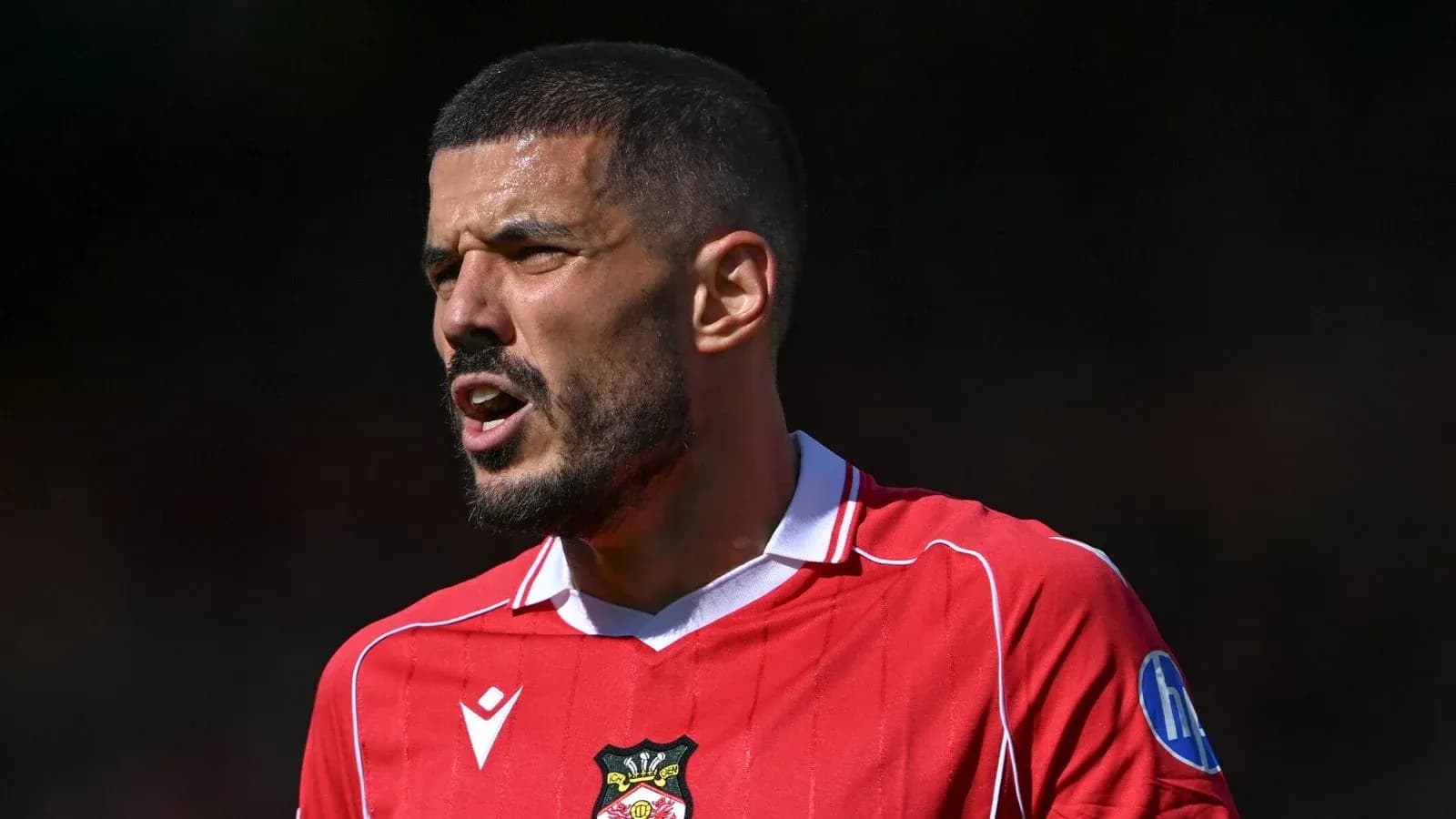
Conor Coady Retires: Wolves Leader Ends Career at 33
Conor Coady has never been the loudest name on a teamsheet, but for 15 years managers trusted him, team-mates leaned on him and supporters knew exactly what they were getting. On Friday morning, at 33, he called time on it all.
“Lived the dream. Eternally Grateful, Thank you,” he wrote on Instagram, a short, heartfelt caption that fits a career built more on substance than noise.
From Liverpool prospect to Wolves mainstay
Coady leaves the game with a CV that quietly tells a serious story. A Liverpool academy graduate and boyhood Red, he broke through at a club where standards are unforgiving and opportunities rare. When a long-term Anfield future didn’t materialise, he went the hard way: spells at Sheffield United and Huddersfield, learning the Championship the traditional way – cold nights, heavy pitches, and no guarantees.
The move that defined him came at Wolves. Across more than half his professional life, Molineux became home. He made 317 appearances in all competitions for the club, evolving from midfielder to the organiser at the heart of a back three, the on-pitch extension of the manager in a side that climbed out of the Championship and stayed in the Premier League with authority.
After lifting the Championship title in 2017/18, Coady turned into a constant. Across the next four top-flight seasons, he missed just one Premier League game. In an era of rotation and sports science, he was old-school reliable: available, vocal, and rarely below a seven out of ten.
England recognition and a trusted squad man
That consistency eventually pushed him into the England picture. Between 2020 and 2022, Coady earned 10 senior caps, a late but deserved international career for a defender whose leadership often drew as much praise as his positioning.
He went to both Euro 2020 and the 2022 World Cup, a trusted squad figure even if he never kicked a ball in either tournament. Managers value players who set standards from Monday to Friday as much as those who decide games on Sunday. Coady was one of those.
The final chapter on the pitch
The closing stretch of his playing days was quieter but no less honest. He had spells with Everton and Leicester, then a loan at Charlton, where his final professional appearance came on May 2 – 61 minutes in a 3-1 defeat to Swansea.
On August 31, his contract with Wrexham was terminated by mutual consent. It felt like a natural pause, the kind that often precedes a decision. Now the decision has arrived.
Already stepping into the next role
Retirement, though, does not mean disappearance. The announcement comes just a day after confirmation that Coady will co-host “The Football Dugout”, a new weekly podcast and YouTube show, alongside Sky Sports presenter Mark Chapman. A dressing-room voice is about to become a studio one.
He has already been edging into the coaching world. Earlier this year he worked with England’s U19 and U21 sides, a sign that those in charge of the pathway see value in his experience and temperament.
In September he revealed he had returned to Liverpool in a different capacity, this time to help shape others rather than chase his own minutes.
“I'm trying to keep myself busy,” he told BBC Radio 5 Live Sport. “I'm lucky enough to get the opportunity to go into Liverpool's U21s. I came through there. I'm doing a little bit of coaching with the boys, which has been brilliant.
“The lads at Liverpool are amazing with me. The players but also Jay Spearing and Rob Page, who gave me the opportunity to come in, mirror them a little bit, be in the office before training and look at how they plan a session.
If they need numbers, I'll jump in and keep myself fit as well. That's what it's looking like at the minute.”
It is a neat symmetry: the academy graduate returning to the same set-up, now as a guide. The player who once absorbed instructions is now studying how to give them.
A leader whose influence may grow after retirement
Coady’s career will not be remembered for individual awards or viral moments. It will be remembered for something rarer: trust. Managers trusted him to run a back line. Team-mates trusted him to speak for them. International coaches trusted him to keep a camp tight in the biggest tournaments on earth.
The boots are off now, but the voice, the presence, and the football brain remain. If his second act in coaching and broadcasting carries the same reliability and clarity that marked his first, English football has not seen the last of Conor Coady.





