Cristiano Ronaldo and Portugal: Crisis Eases, Questions Remain
The storm that threatened to end Cristiano Ronaldo’s long run with Portugal has not blown the house down. Not yet, anyway.
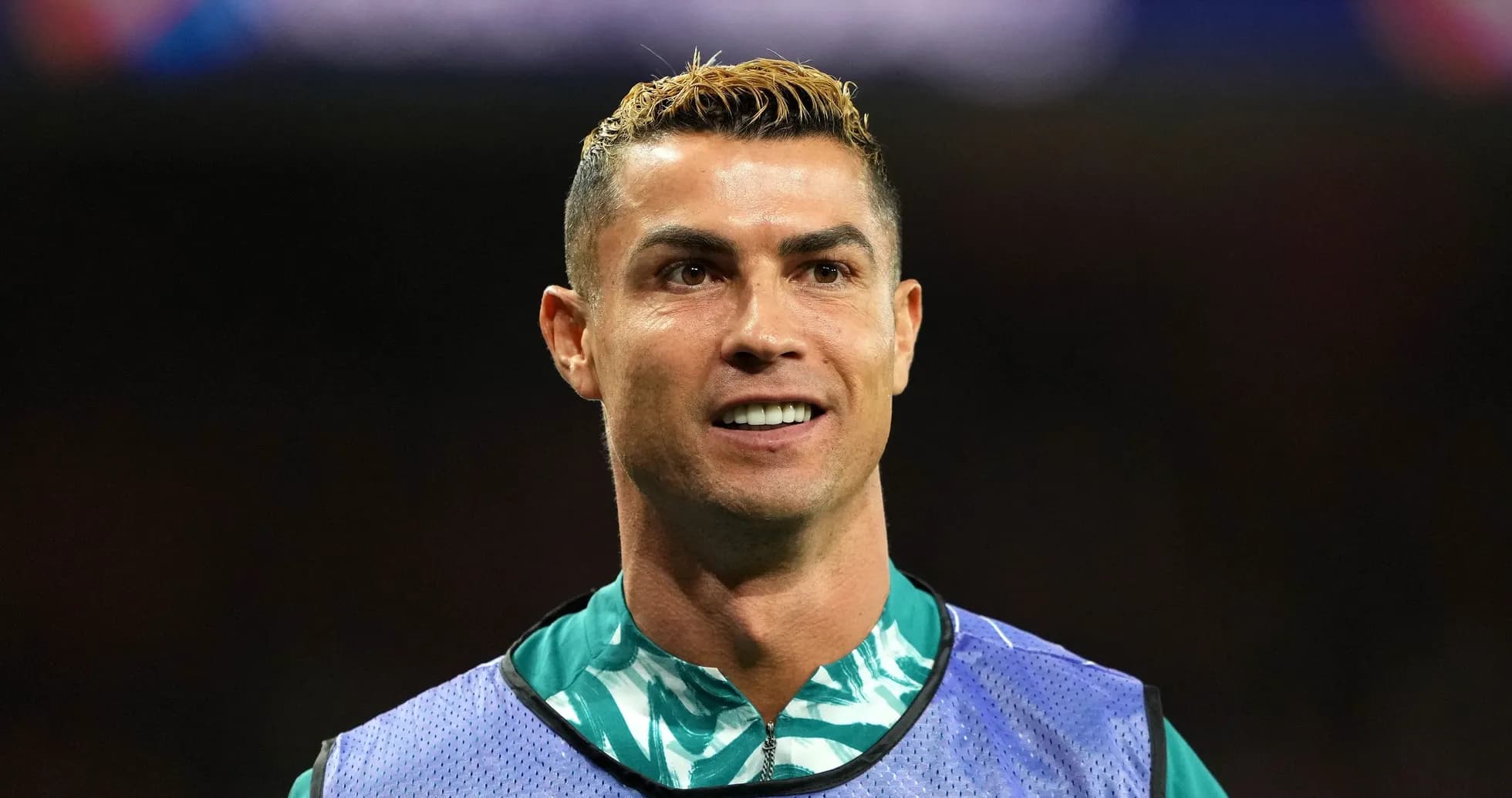
After weeks of tension, statements and speculation, the 41-year-old looks set to pull that red shirt back on. Al-Nassr have received an official letter from the Portuguese Football Federation requesting the call-up of Ronaldo and his club teammate Joao Felix for November’s UEFA Nations League fixtures against Denmark and Wales.
For a saga that began with a walkout, this is a strikingly formal olive branch.
From walkout to recall
The fracture appeared serious. At the end of September, Ronaldo left the national team camp in Copenhagen straight after a press conference, igniting a storm back home. The dispute stemmed from his role in the 2-1 win over Norway and his expectations for the matches that followed.
The core of the argument was simple and raw: status and trust.
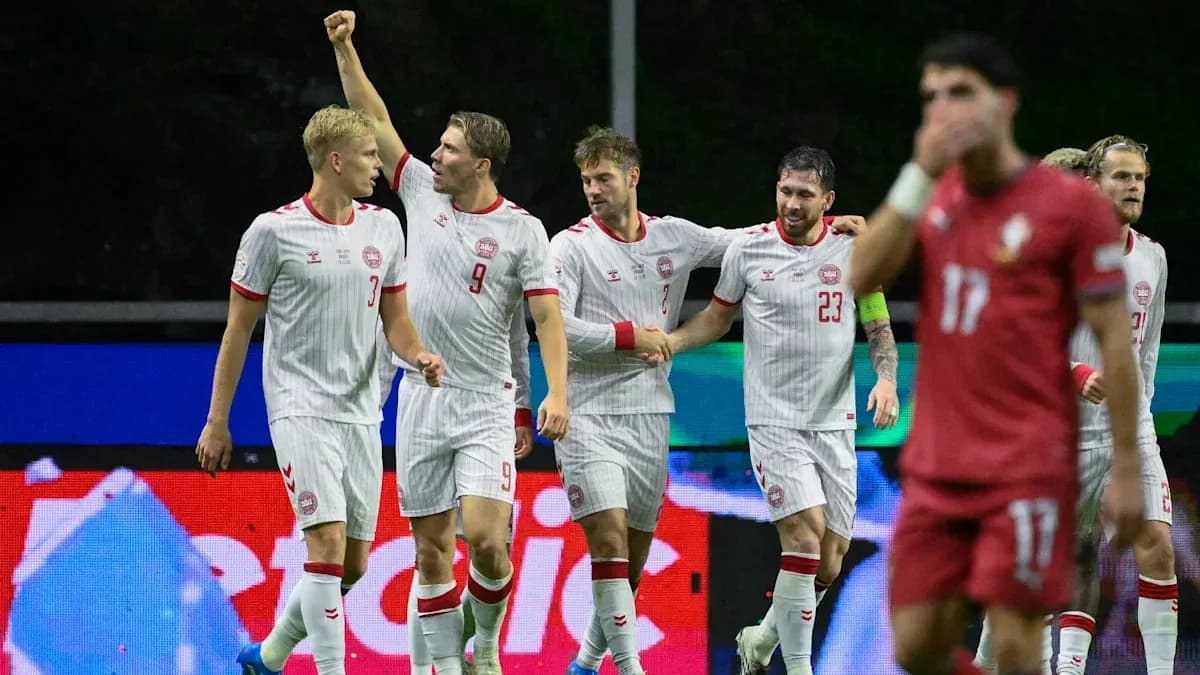
Ronaldo believed coach Jorge Jesus had gone back on a promise about his place on the bench and the agreed “formula” to manage the growing noise around his role. The disagreement, aired around the time of the Denmark game that Portugal went on to win 4-2, spilled from a tactical issue into a full-blown confrontation.
The reaction was immediate. The Portuguese Football Federation announced a 30-day suspension for their captain over his decision to abandon the camp on 30 September. It was a clear attempt to reassert authority at a time when the national team’s hierarchy was under scrutiny.
But there was a crucial detail: the ban was applied retroactively from the date of the incident. On paper, it sounded harsh. In practice, it was calibrated. The suspension runs its course before the November international break.
Which means Ronaldo is eligible. And Portugal have now moved to bring him back.
An apology and a broken relationship
On 7 October, Ronaldo tried to douse the flames.
He released a lengthy statement, apologising to Portuguese fans and his teammates for his behaviour. It was a public step back from the brink, a recognition that walking out on the camp had gone too far and that the shirt still mattered.
But buried in that statement was another twist. Ronaldo revealed that his relationship with Jorge Jesus had ended. No soft phrasing. No attempt to disguise the rift between captain and coach.
That admission only deepened the sense of uncertainty. A 41-year-old icon, still influential, still proud, clashing with the man tasked with managing the final act of his international career. The dispute was no longer just about minutes on the pitch; it had become a question of whether the two men could coexist at all.
Portugal need clarity, not noise
The timing of the call-up request underlines the stakes.
Portugal face Denmark on 14 November in Braga, then travel to Wales three days later for the final round of Group Four fixtures in the UEFA Nations League. These are not friendlies to ease someone gently back into the fold. They matter, both competitively and symbolically.
Ronaldo remains a towering presence, even at 41. His name on a team sheet still changes the temperature of a stadium. But his presence also demands clarity. Who holds the power in this dressing room? How flexible is the game plan around a veteran star? And how much disruption is the staff willing to tolerate in exchange for his experience and goal threat?
The federation’s decision to send the official letter to Al-Nassr suggests one thing: they are not ready to close the Ronaldo chapter yet. Not after a retroactive suspension. Not after a public apology. Not while he is still playing and still asking to be involved.
A fragile truce
For now, the path appears open. The disciplinary box has been ticked. The ban is over. The formalities are in motion. On paper, Ronaldo simply rejoins “the Brazil of Europe” for another international window.
But the real test lies away from the paperwork.
Can a captain who says his relationship with the coach has ended step back into a camp and function as a leader? Can Jorge Jesus manage a player of Ronaldo’s stature without reopening the same wounds over roles, promises and game plans? Can a squad that watched its captain walk out now rally behind him again?
The next camp will provide the answers. The letter to Al-Nassr signals a willingness to move on, or at least to try. What it does not guarantee is peace.
Ronaldo looks set to return. Whether that marks the end of the crisis, or just the start of its next chapter, will be written in Braga, in Wales, and in a Portuguese dressing room that suddenly feels like the most scrutinised room in European football.