Cristiano Ronaldo Should Follow Messi’s Example and Retire from International Football
Cristiano Ronaldo, five-time Ballon d'Or winner, has been more of a burden than an asset for Portugal over the past four years. His days as a guaranteed starter seem to be ending, and many think it’s time for him to retire from international football, much like Lionel Messi recently did.
Ronaldo’s Own Thoughts on Retirement
Before Portugal’s Nations League match against Wales, Ronaldo was asked if he considered retiring after the 2026 World Cup. He replied that he has thought about it but intends to continue, believing he can still help the team both on and off the pitch. He emphasized his desire to contribute goals and support the younger generation, stating he will stop when he feels he no longer adds value.
Recent Performance Has Been Underwhelming
Despite these claims, Ronaldo’s recent major tournaments have shown a decline. He scored just one goal in five matches at the 2022 World Cup and failed to score in five games at Euro 2024. At the 2026 World Cup, his three goals came mostly against weaker opponents, with limited impact in crucial matches against Morocco, France, and Spain. The team continues to revolve around him, with others expected to supply him and compensate for his lack of mobility.
Decline in Influence
Once the most lethal striker globally, Ronaldo’s peak arguably ended around 2018. Watching one of football’s greats fade has been tough. At 41, it’s hard to ignore that age is catching up. Thankfully, Portugal’s new manager seems less willing to cater to Ronaldo’s ego.
Manager Jorge Jesus’s Approach
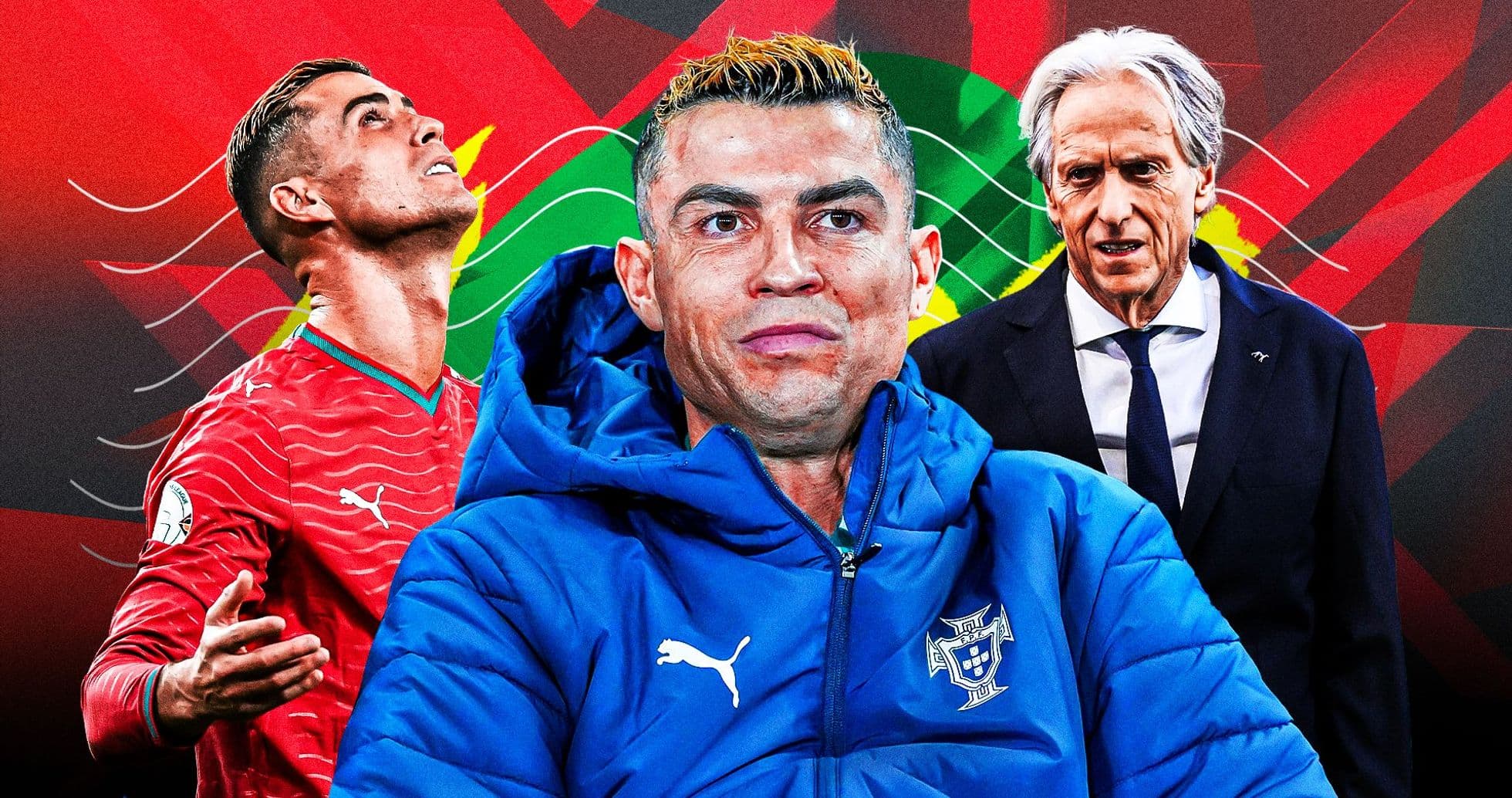
Jorge Jesus, who coached Ronaldo at Al-Nassr, included him in his first Portugal squad but made it clear playing time is not guaranteed. This was a departure from previous managers who rarely challenged Ronaldo’s status openly. Ronaldo accepted this conditional role but maintained confidence in his contributions, highlighting his historic records and influence on young fans.
Mixed Performances in Recent Matches
In Portugal’s 1-0 win over Wales, Ronaldo struggled to make an impact, missing chances and having a goal disallowed due to offside before being substituted in the 68th minute. Jesus explained the change was tactical, needing a more energetic player to press defenders, something Ronaldo could no longer provide.
In the next match against Norway, Jesus surprised many by leaving Ronaldo out entirely, the first time Ronaldo missed competitive international action in over 18 years. Portugal won 2-1 without him, with Goncalo Ramos and other substitutes stepping up effectively.
Ramos Brings Vital Qualities Ronaldo Lacks
Goncalo Ramos, AC Milan’s record signing, offers Portugal mobility, pressing ability, and technical skills Ronaldo no longer shows. Ramos stretches defenses, presses aggressively, and contributes to build-up play. Ronaldo now functions mainly as a poacher, relying heavily on crosses and waiting for service, which limits Portugal’s attacking options in key matches.
The Awkwardness of Ronaldo’s Current Role
If Ronaldo were to accept a bench role as an impact substitute, he might still offer some value with his instincts in the box. Yet, given his international legacy, such a diminished part seems uncomfortable and beneath him.
Messi’s Retirement Sets a Precedent
Lionel Messi retired from Argentina duty after an extraordinary final World Cup run. Despite still being a top player at Inter Miami, Messi recognized it was time to step aside for emerging talents. He said he had nothing left to give and wanted to allow younger players their chance.
Unlike Messi, Ronaldo doesn’t have a World Cup winner’s medal but holds records as the most prolific scorer and most-capped male international player. He contributed to Portugal’s 2016 Euros win and two Nations League titles. Still, the young Portuguese players already look up to him as an example, so Ronaldo competing for minutes may no longer be necessary.
Portugal’s Football Federation Faces a Commercial Challenge
The Portuguese Football Federation (FPF) likely urged Ronaldo to continue because he is the face of Portuguese football worldwide. His global appeal brings significant revenue through sponsorships and broadcasting deals. It’s estimated the FPF could lose up to 45% of annual income once Ronaldo retires.
Despite the commercial impact, no one should force Ronaldo to keep playing. He could maintain club success at Al-Nassr without the scrutiny attached to his national team performances. Staying only risks harming his legacy.
Time to Step Away
Ronaldo’s place isn’t on the bench, and he owes nothing financially to Portugal after decades of elevating the federation’s profile. Though many mock him for refusing to let go, his true celebration will come when he chooses to retire gracefully. The relief of moving on would outweigh any guilt or regret he may feel.