Cristiano Ronaldo's Unexpected Retirement Shocks Portugal
Cristiano Ronaldo’s international retirement caught almost everyone in Portugal off guard – including the man who picks the team.
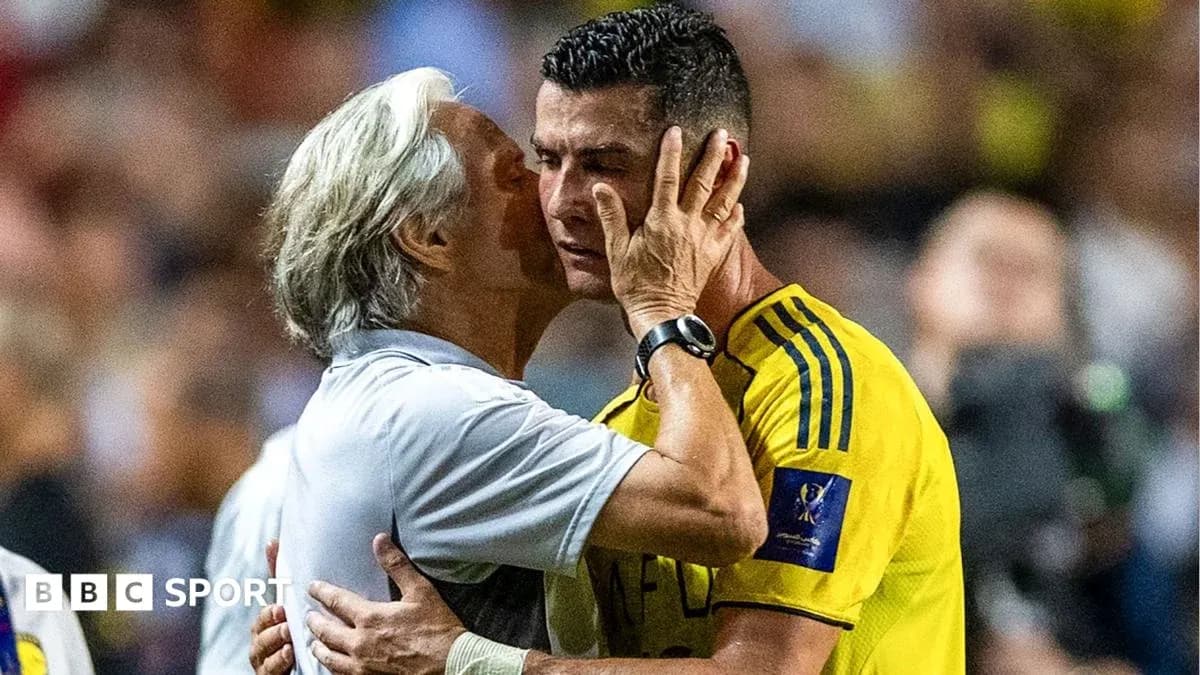
Jorge Jesus sat down on Friday ready to unveil his squad for this month’s Nations League fixtures. Instead, he walked into a room still echoing from a different announcement entirely: a 41-year-old Cristiano Ronaldo, speaking directly to camera on Instagram, telling the world he was done with Portugal.
Jesus learned about it like everyone else.
“I found out when we all did,” the Portugal coach said, making no attempt to dress it up. “Until then, I knew nothing about it. He was playing, he was scoring goals; he was one of the players on my squad list.”
In other words, Ronaldo was not being eased out. He was still in the plans.
A sudden end after a turbulent return
The twist is sharper because Ronaldo had just become available again. His 30-day suspension from international duty had ended – a ban that, crucially, did not rule him out of any actual Portugal matches.
That punishment stemmed from a stormy September camp. Ronaldo left the squad after being told he would not start a Nations League game against Denmark four days later. The decision cut deep. Ronaldo later accused Jesus of having “broken his word”, yet accepted he deserved to be sanctioned for walking out and insisted at the time he had no intention of retiring from international football.
Three months on, the retirement arrived without warning.
By then, the numbers were already towering. Ronaldo’s final cap came not in some grand farewell, but as an unused substitute against Norway on 27 September. His last minutes in a Portugal shirt had actually come three days earlier, in a 1-0 win over Wales in Lisbon. No goals that night, but the ledger was already complete: 146 goals in 234 games, both men’s world records, stretching back to his debut in 2003. Euro 2016 in his pocket. A generation transformed.
Jesus stands firm under questioning
On Friday, the focus shifted quickly from nostalgia to the fault lines of that September fallout. Reporters pressed Jesus on whether that broken trust had played a part in the endgame. The coach’s patience thinned.
“All my decisions were made with the team in mind,” he said, his tone hardening as the questions circled back to the same incident. “As a manager, I have always defended what was best for the team. I am at peace with my decision.”
He confirmed he had not spoken to Ronaldo since the retirement message dropped. No private call. No final conversation. A 21-year international career ending, at least for now, in the cold light of social media rather than in a dressing room handshake.
Portugal weighs the legacy
If Jesus kept his distance, the Portuguese Football Federation did the opposite. Its president, Pedro Proenca, moved quickly to frame the moment not as a rupture but as the celebration of an era.
“No tribute will ever be enough to thank him for everything he has done for Portuguese football, for Portugal,” Proenca said, promising that the federation would find a way to honour the former Real Madrid and Manchester United forward properly.
He chose his words carefully, but the theme was clear: Ronaldo’s defining trait was not just his goals, but his relentless edge.
“The best way to honour and celebrate him is to honour his boundless ambition, to always play to win, to never be afraid of being the best in the world. Thank you for everything, captain. This is and always will be your home.”
The numbers will sit there in the record books for others to chase. The Nations League squad will go on without him. The debate over how it all ended will rumble beneath the surface.
But for Portugal, the real question now is stark: how do you move on from a player who never believed in the idea of an ending at all?