Cristiano Ronaldo's Tactical Masterclass Against Abha
Cristiano Ronaldo did not play as a striker against Abha. He played as a problem.
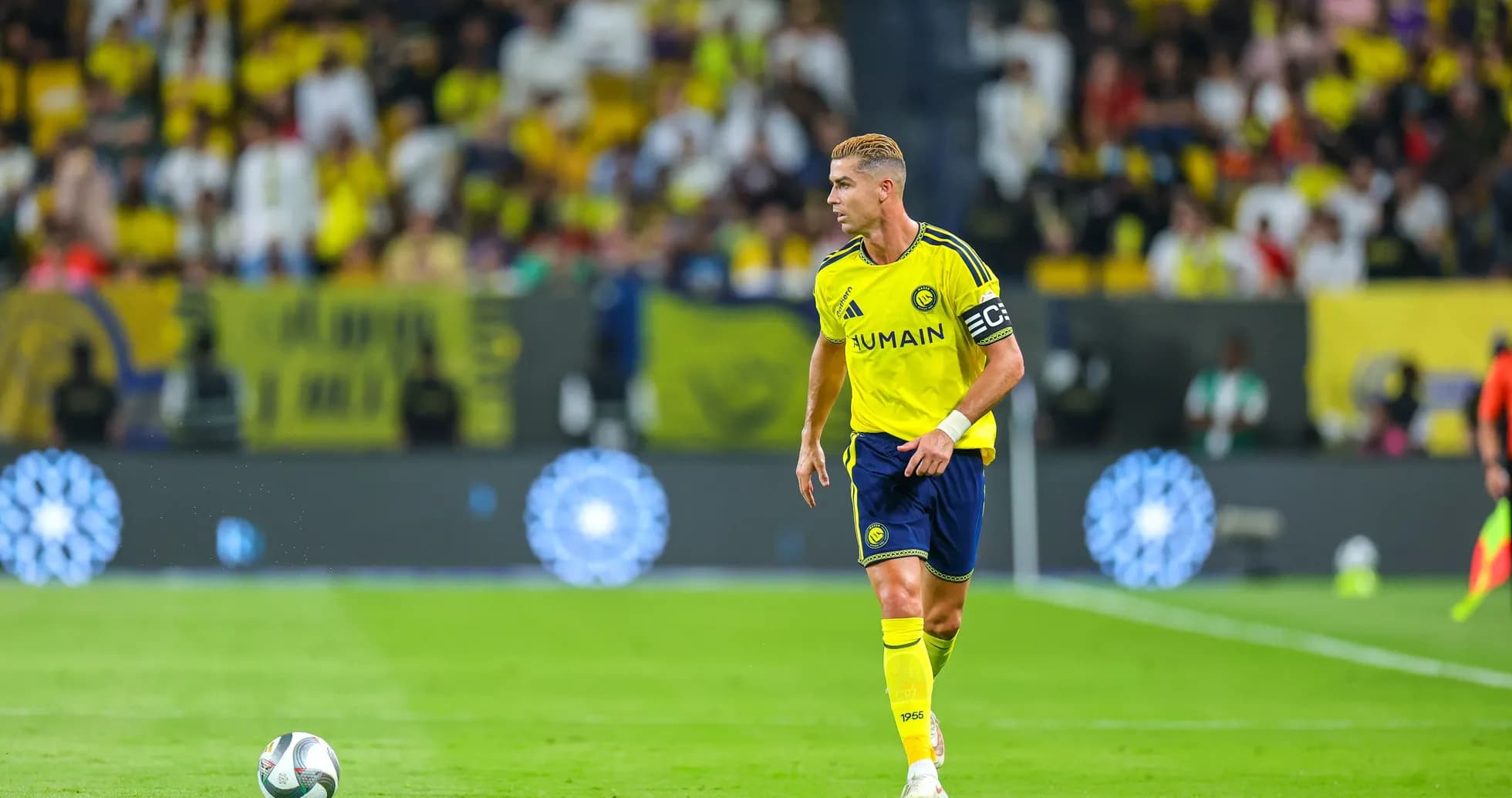
From the first whistle, the Al-Nassr captain tore up the script of the classic No. 9. He drifted out of the box, then deeper still, roaming into the heart of his own team's half to knit moves together and stitch the lines into one coherent attacking unit. Abha’s defenders kept looking for a reference point. Ronaldo refused to give them one.
He read the spaces with the cold precision of a veteran who has seen every defensive shape the game can offer. At times he dropped into midfield, almost shoulder to shoulder with his playmakers, inviting a centre-back or holding midfielder to follow him into areas they did not want to go. Once the trap was set and the line distorted, he spun away, accelerating back into the gaps he had just created.
The pattern became clear, but stopping it was another matter. One moment he was 40 yards from goal, linking passes and dragging markers into traffic. The next, he was darting into the penalty area, arriving late and unmarked, the most dangerous man on the pitch in the most dangerous zone.
Abha never found a way to pin him down. Their back line kept shuffling, adjusting, pointing, passing runners on. Ronaldo kept moving, always a step ahead of their decisions. The movement was not decorative. It was calculated, relentless, designed to bend the game to his rhythm.
Crucially, he did not settle for sideways patterns or safe pockets of possession. Every drop into space had a purpose: pull a defender out, open a lane, then attack the exposed seam. When he retreated, he did it with a striker’s mind, already thinking about the second phase, already picturing where the cross or cut-back might arrive once he reappeared in the box.
At 42, the spectacle lay less in raw pace or brute strength and more in the clarity of his thinking. He orchestrated attacks, dictated positions, and influenced multiple tactical layers of the contest. The body may no longer sprint as often as it once did, but the brain remains several frames ahead of the play.
Yet this was not a night where Ronaldo turned into a deep-lying creator at the expense of his core identity. He still did what has defined his career: he decided the scoreboard.
When the delivery finally came, he attacked it like the Ronaldo of old. Rising above his marker, he met the cross with authority, steering his header home to open the scoring for Al-Nassr. The leap, the timing, the conviction – all of it underlined that, despite the years, he remains lethal when the ball is in the air and the box is his stage.
That goal encapsulated the evolution of his game. He had helped build the attack from deeper territory, manipulated the defensive line, then arrived at exactly the right moment to finish it. Not a forward who had drifted away from danger, but one who had redrawn the map of the pitch and then claimed the most important square.
The man-of-the-match award was inevitable. This was one of his most complete performances in an Al-Nassr shirt, a blend of tactical intelligence, technical precision and decisive end product.
The numbers told their own story. Ronaldo earned an 8 out of 10 rating, unleashed 8 shots with 4 on target, created two key passes and completed a dribble. One goal on the night, but an influence that ran far beyond a single touch.
His movement dragged Abha’s defenders into places they did not want to be. His involvement in the build-up gave Al-Nassr an extra layer between midfield and attack. His presence in the box at the critical moment ensured the dominance turned into something tangible on the scoreboard.
Questions will keep coming about how long he can sustain this level as the years stack up. Abha provided a pointed reply. The version of Ronaldo on display here relied less on sprint duels and more on angles, timing and space. The weapons have changed shape, but the damage they inflict has not.