Steph Curry’s Oblique Tear: Warriors Face Tough Road Ahead
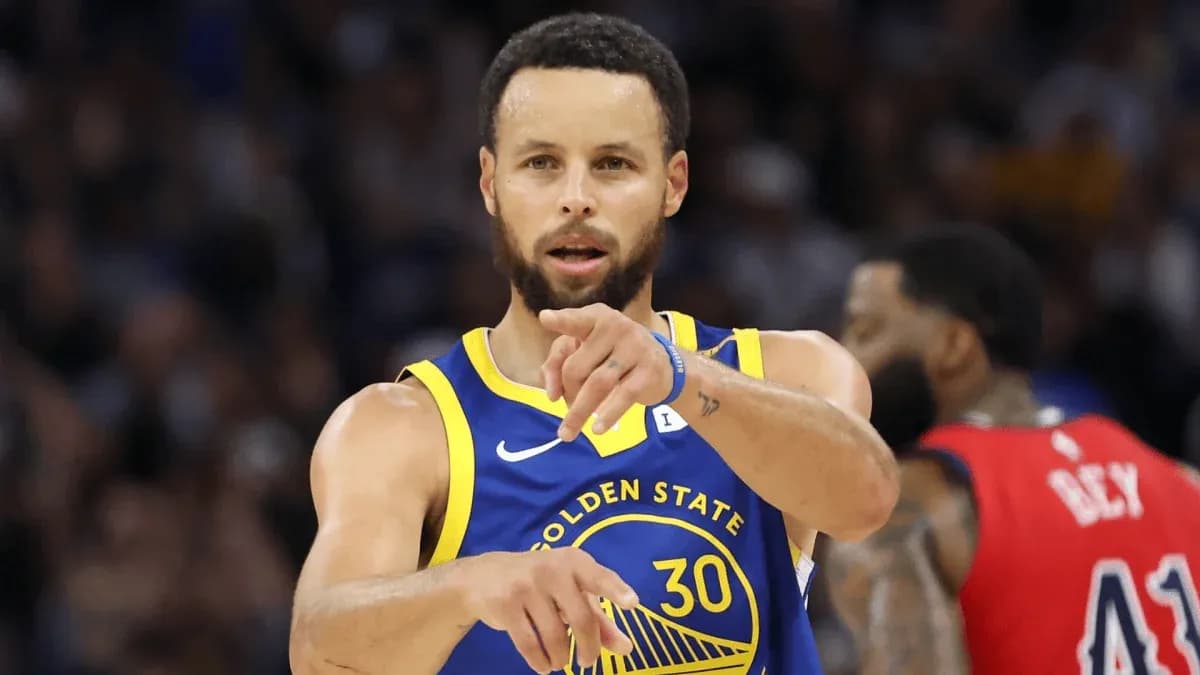
The Golden State Warriors have grown used to living on the edge of Steph Curry’s brilliance. Now they’ll have to live without it for a while — and possibly longer than they first hoped.
The team confirmed Thursday that Curry suffered an oblique abdominal tear, ruling him out for at least two weeks. Inside the locker room, though, the expectation is that “two weeks” is more of a checkpoint than a countdown.
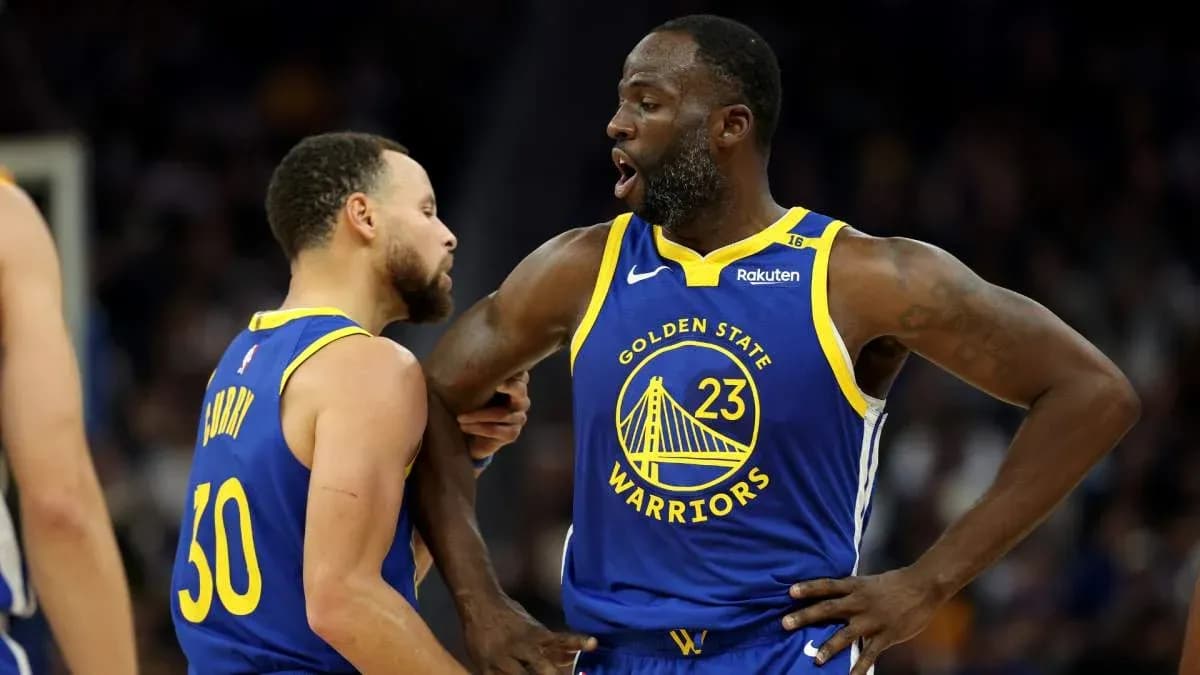
On the latest episode of “The Draymond Green Show,” Draymond Green cut through any optimism about a quick return.
“I would say there’s probably no chance that he’s back in two weeks,” Green said. “You’re kind of just re-evaluating in two weeks and kind of seeing where you are.”
That’s the harsh reality of an oblique injury. It doesn’t care about schedules. It doesn’t respond to urgency. It simply heals when it’s ready.
“An oblique injury is one of those things that, like, tells you when it’s healed,” Green explained. “There’s no certain timeline like it. Some of them heal faster than others depending on the severity, depending on where it could be.
“It’s no certainty, but then you get to the point where you need your core strength, you need your rotational strength, you need all of those things. As you progress, as the pain starts to subside, you start to push the boundaries more and more. But no one knows how long that’ll take.”
For a player whose entire game is built on constant motion, violent changes of direction, and torque through his core, that uncertainty is significant. Curry and the Warriors expect to have a clearer sense of the severity in the coming days, with everyone hoping the tear is moderate rather than severe.
The injury came early and innocuously on Wednesday against the Houston Rockets. Curry got tangled with Alperen Sengun while setting a screen in the first quarter. He stayed in briefly, then checked out less than a minute later and did not return. The Warriors went on to lose 115-108, but the larger blow landed when the diagnosis came back.
Who Carries the Load Now?
The last time Curry missed extended time, the Warriors spiraled. He sat out 39 games last season with runner’s knee, and Golden State stumbled to a 13-26 record without him. They are 1-1 without him so far this season, a tiny sample that doesn’t begin to answer the looming question: who fills the void now?
Green, speaking to reporters after the loss to Houston, insisted this group is better equipped to cope.
“The spirit of this team is better,” he said, via ESPN’s Anthony Slater. “We’re more certain about who we are and what makes us a good team. … Then obviously, Yax, having a guy that you can give the ball to and create an advantage. BP is playing a lot better.”
Yaxel Lendeborg and Brandin Podziemski have quietly become the second- and third-best players for Golden State this season behind Curry. That hierarchy now shifts from supporting act to center stage.
Lendeborg’s ability to create advantages with the ball gives the Warriors a different kind of initiator, someone who can bend defenses without simply mimicking Curry’s off-ball chaos. Podziemski’s leap — his poise, his decision-making, his confidence — suddenly becomes central to their survival plan, not just a promising subplot.
The Warriors don’t need anyone to be Steph Curry. They do need several players to be a little more of themselves, every night.
A Brutal Stretch Ahead
The schedule offers no sympathy.
On Friday, Golden State heads to face Victor Wembanyama and the San Antonio Spurs in the 2026 NBA Cup. From there, they fly to New Orleans for a meeting with the Pelicans on Monday. Then comes a back-to-back that could test any healthy roster, let alone one missing its superstar: the Dallas Mavericks on November 18, followed by the Memphis Grizzlies on November 19.
Curry won’t be there. He likely won’t be close.
Green’s words framed the next fortnight not as a countdown to a savior’s return, but as an evaluation window — for Curry’s oblique, and for the Warriors’ identity without him. The medical staff will re-check the tear. The coaching staff will re-check the rotation. The standings will tell their own story.
Golden State has spent a decade leaning on the same answer whenever the questions got hard: give the ball to Steph, and live with the magic. Over the next stretch, they’ll find out if this version of the Warriors can create enough of their own.