Curtis Jones' Departure and Liverpool's Identity Crisis
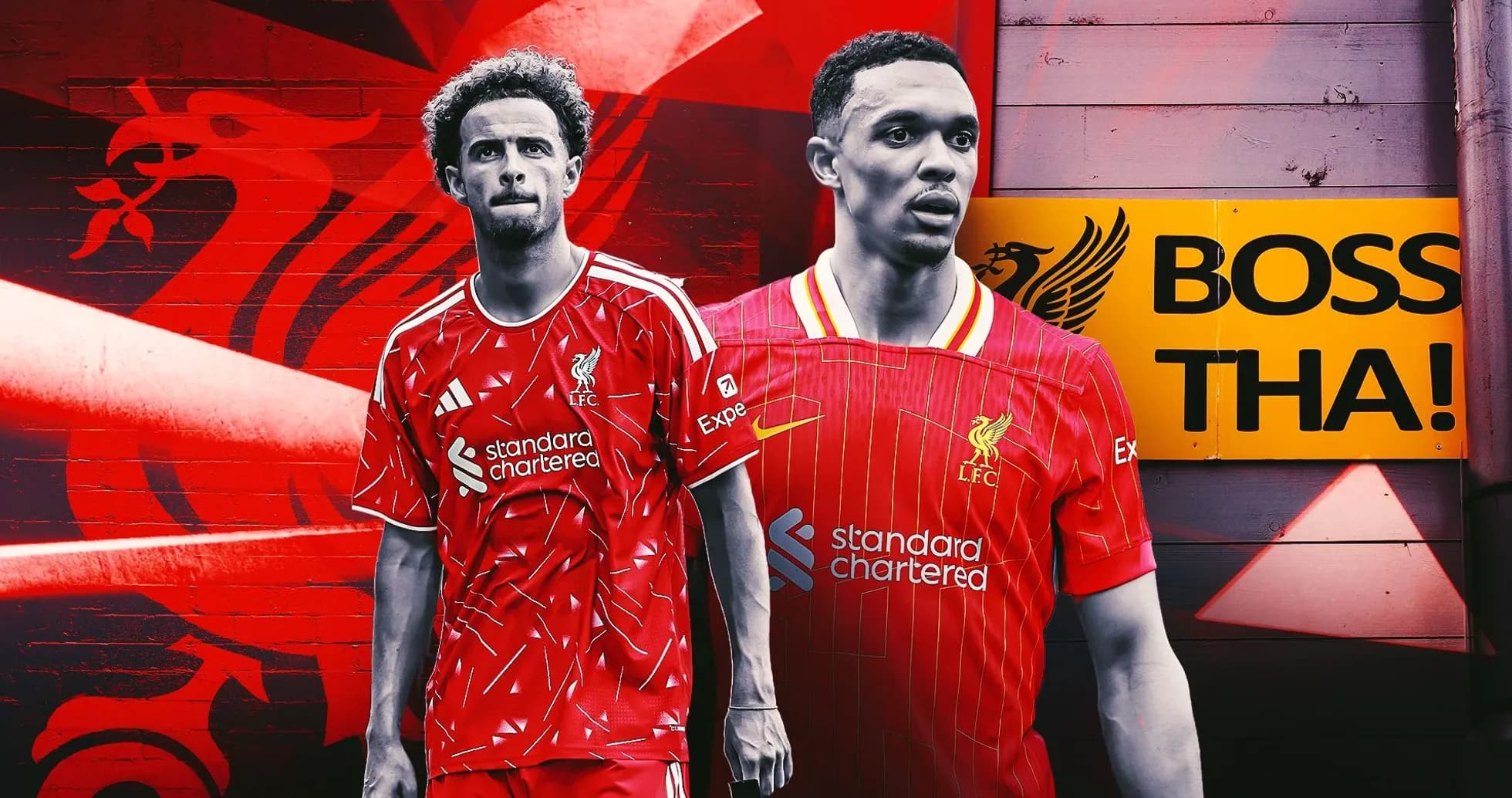
The day Curtis Jones walked out of Anfield, Liverpool lost more than a midfielder.
On August 21, when Inter finally got their man, the deal felt inevitable rather than shocking. Jones was into the last year of his contract, had no intention of signing a new one and, crucially, no longer felt at home at the club he had grown up loving. A boyhood Red who no longer saw his future in red. That, more than the fee, stung.
Arne Slot’s departure at the end of last season – a campaign that finished with Jones shunted to right-back out of necessity – changed nothing for the player. At 25, he wanted minutes in midfield, not another season living on the fringes of the role he believes defines him. And with Andoni Iraola unable to offer guarantees, the exit door might as well have been propped open.
The reaction centred on the numbers. £25 million for an England international, in the same summer that relegated West Ham managed to squeeze more than three times that amount from Spurs for Mateus Fernandes. It looked light, felt light, and was framed by a deeper fear: Liverpool might not replace him at all.
That anxiety had roots. From day one, Iraola has been blunt about his needs. He wanted more bodies in midfield, more variety, more competition. Not fewer. Losing Jones cut directly across that.
Yet the Spaniard had also been clear about something else: he badly wanted to keep him.
"It's very important that he's Scouse, that he's from here," Iraola said in July, explaining why Jones mattered to him beyond the tactical board. He rated the player “very highly”, yes, but this was about more than pressing angles and passing lanes.
A proud Basque who spent most of his career at Athletic Club, Iraola understands what it means when a team truly reflects its city. He has lived a model where the bond between club and community isn’t marketing material, but the foundation of everything.
"I see a lot of similarities between Liverpool and Bilbao," he said on the pre-season tour in the United States. "This sense of belonging, of being a little bit different, and this connection, also, with players from the academy."
And now Liverpool no longer have a single Scouser in their senior squad.
For the first time in the modern era, the dressing room is without a local voice, a local accent, a local heartbeat. Jones’ departure didn’t create that concern about identity, but it crystallised it. The fear had been building long before Inter came calling.
Fenway Sports Group have, by most financial and sporting metrics, transformed Liverpool. They took a club staring at the abyss in 2010 and turned it into one of the most profitable operations in world football. Titles, a modernised stadium, a global machine.
But progress has a price. Supporters’ groups such as Spirit of Shankly have railed against rising ticket costs, arguing that local fans are being quietly pushed to the margins. In an open letter earlier this year, SOS pointed out that matchday income is a relatively small slice of overall revenue, yet the pursuit of every last pound has come, they argue, “at the expense of affordability, loyalty and trust.”
Then came last month’s news: 1892 Holdings, backed by Amazon founder Jeff Bezos – a figure who splits opinion like few others – had bought a 38 percent stake and could complete a full takeover within 12 months. For many, it sounded less like evolution and more like a rupture.
Kieran Maguire of The Price of Football Podcast put the unease into words. Liverpool, he noted, is a “very proud working-class city”, already anxious about the “marginalisation of the traditional fanbase”. The fear? More tickets drifting into the hands of the wealthy, at “extortionate prices”, eroding what makes Anfield different. Turning a pilgrimage into a photo opportunity. Or, as he put it, the creeping “Disney-fication” of something woven into the city’s history and identity.
Strip away the jargon and the spreadsheets, and you’re left with something simple: the bond between the club and its people feels under threat. Losing local lads on the pitch only deepens that sense.
Steven Gerrard, who grew up carrying that bond on his shoulders, didn’t hide where he stood. Earlier this summer, he admitted he was firmly against selling Jones for one basic reason: he’s Scouse.
"I just think that, naturally, being around Liverpool, growing up in the city, we understand the demands of the club, the style, what the fans want," Gerrard told BFM Radio. “It’s embedded in us because we know the city inside out. For that reason, I think the academy at our club is crucial, as I think it's key that we keep producing homegrown talent."
He reeled off the lineage: Michael Owen, Jamie Carragher, Robbie Fowler, Steve McManaman, Trent Alexander-Arnold, himself. Even players like Jay Spearing and Stephen Warnock, who never became global stars, came into the side already steeped in the club’s values.
Those names are not just nostalgia. They’re a reminder that, for decades, Liverpool’s soul has been carried onto the pitch by its own.
Yet even Carragher, one of the standard-bearers of that tradition, now looks at the club’s recruitment and wonders what it’s about.
"What we did last summer, I didn't really like it," he told Football Ramble. "It felt like a Real Madrid summer – Florian Wirtz, Alexander Isak, we're gonna get Hugo Ekitike, another striker, for £80m even though we've got one for £125m.
"This summer, it's all about Bradley Barcola. What about the days we had before when we built that team under Klopp and we were getting players who people weren't quite sure about and getting great value? I almost want to go back to that."
He’s not alone. The last two summer windows have delivered the four most expensive signings in Liverpool’s history. The club that once prided itself on finding undervalued gems and moulding them into champions now looks comfortable swimming in the deepest, most expensive waters of the market.
That shift doesn’t just change the balance sheet. It raises the bar to an almost unreachable height for academy players trying to break through.
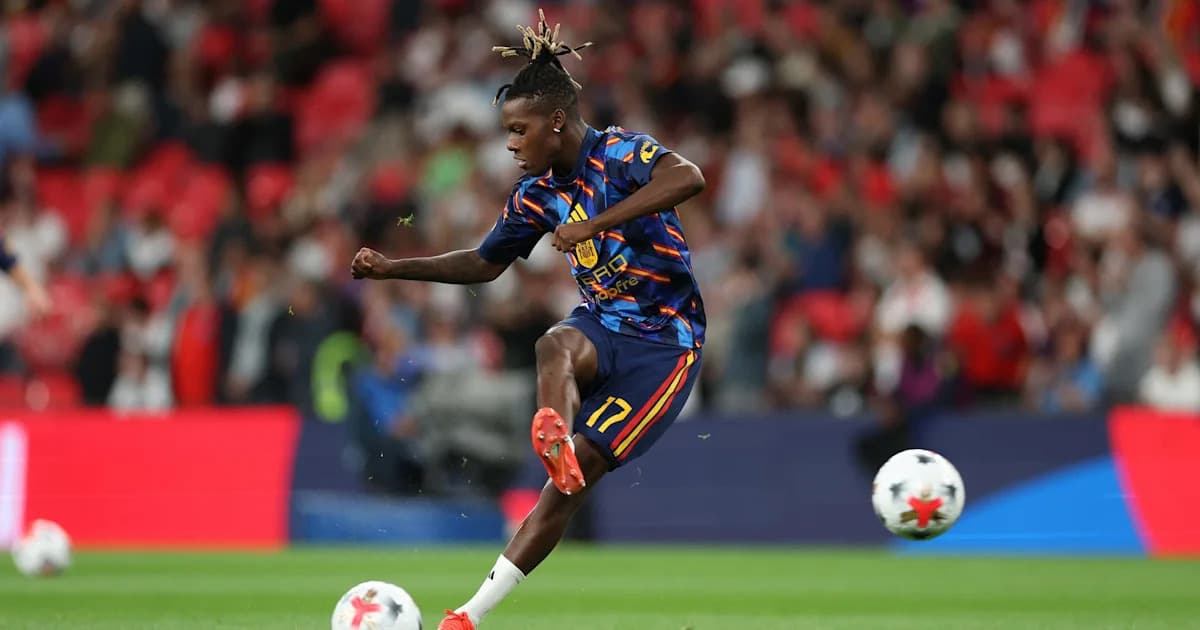
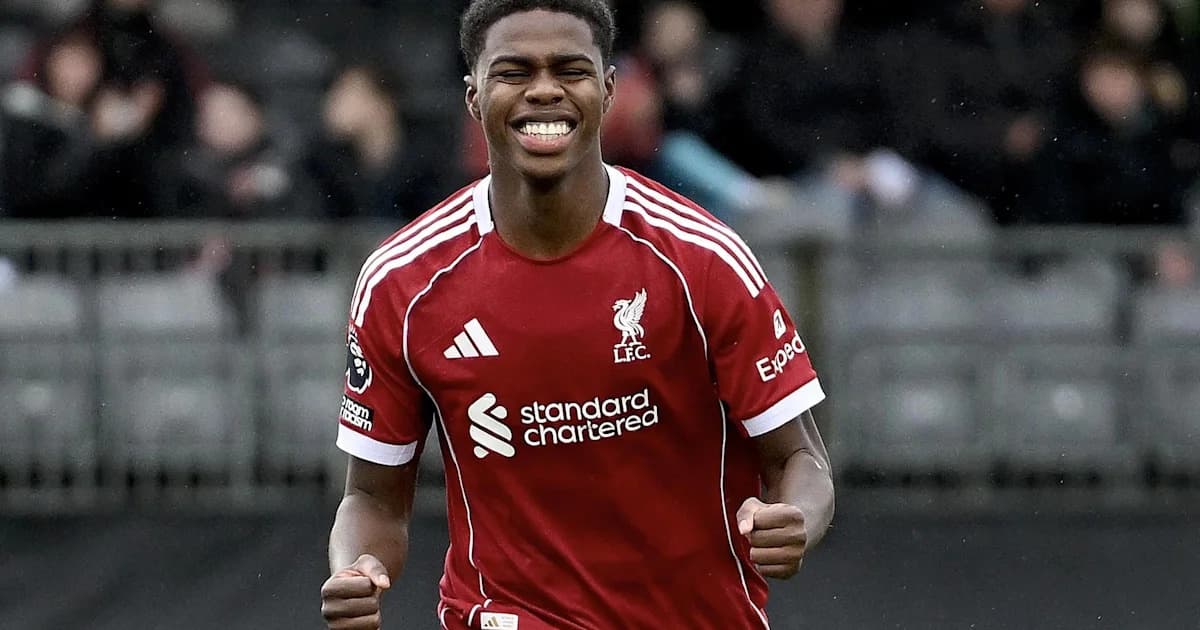
The pathway hasn’t disappeared, but it’s narrower. Rio Ngumoha, signed from Chelsea, counts as a former youth-team player in technical terms. Trey Nyoni, who sat unused on the bench during the Carabao Cup final win over Chelsea that left Jürgen Klopp almost overwhelmed with pride, is expected to feature more this season. Lewis Koumas Danns, once fit again, could also force his way back into the picture, especially with Isak the only orthodox No.9 available and Ekitike sidelined until 2027.
These are important stories. They show that the academy still breathes. Yet they also highlight the reality Carragher pointed to: the higher the price tags at the top of the squad, the harder it becomes for homegrown players to claim a place.
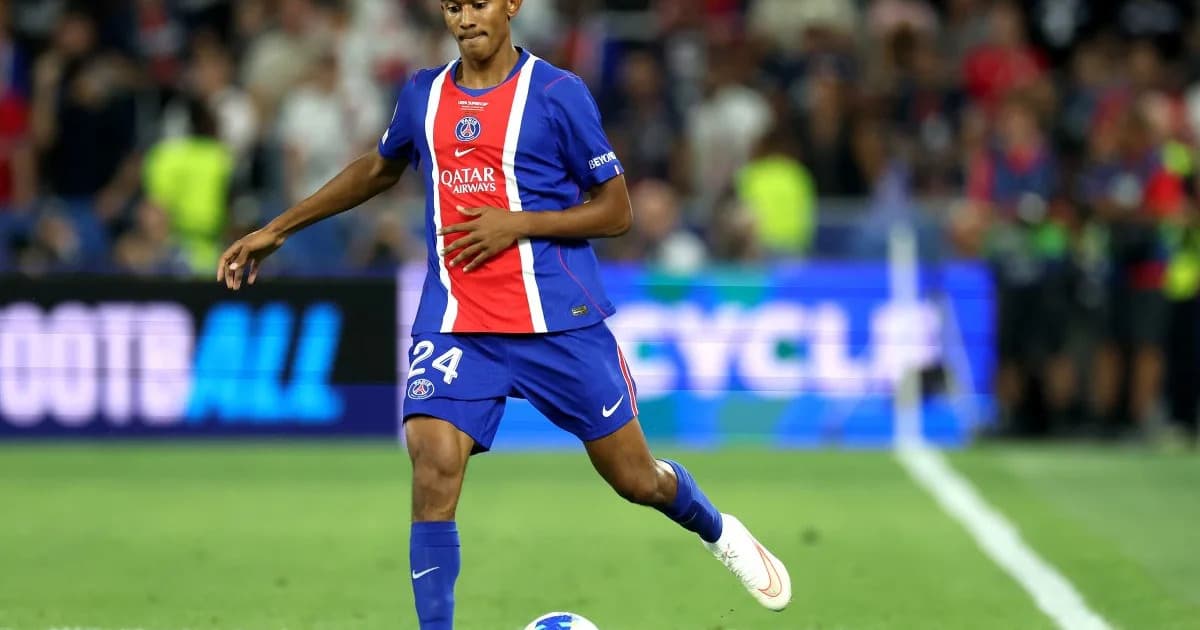
The contrast will be stark on Friday night at Portman Road. With Barcola now in from Paris Saint-Germain, Liverpool can send out a side featuring three players who each cost more than £100m. A statement of power, ambition, and financial muscle.
But Iraola will not have a single Scouser to turn to.
Klopp once called that Carabao Cup triumph “unique”, a word that now carries a different weight. It wasn’t just about winning a major trophy with kids. It was about a team that still felt unmistakably Liverpool, stitched together with academy graduates who understood the club’s heartbeat.
Replicating that now looks almost impossible. Not because the talent isn’t there, but because the priorities have shifted.
At some point in the rush to keep pace with the super-clubs, parts of Anfield seem to have forgotten an old truth that used to guide everything: for Liverpool, having a Scouse soul isn’t an optional extra.
It’s supposed to be the whole point.