Dallas Mavericks Reset: Ujiri's Vision and Flagg's Impact
The Dallas Mavericks have slipped into a different gear.
For years they’ve hovered on the fringes of true contention, a dangerous team with star power but not quite the structure to consistently scare the West’s elite. This summer, that changed. Not with a blockbuster trade or a splashy free-agent signing, but with something far more fundamental: a reset of the franchise’s brain trust and a clear, ruthless plan for what comes next.
Ujiri Arrives, Kidd Exits, May Steps In
The first domino fell at the top.
After a season-long search, team governor Patrick Dumont handed the keys to Masai Ujiri, the architect of the Toronto Raptors’ 2019 championship run. That’s not a cosmetic hire. That’s a signal.
Ujiri wasted no time.
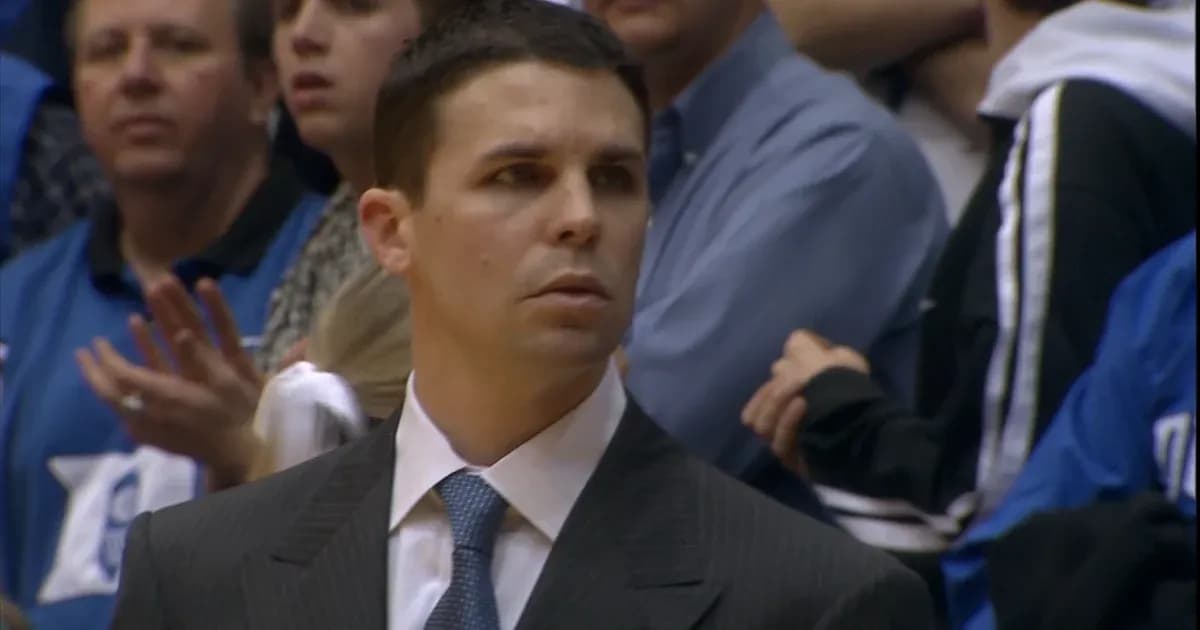
Jason Kidd, who had guided the Mavericks through their previous phase, is out. In his place: Dusty May, fresh off an NCAA title with Michigan. A coach who just proved he can build a champion around young talent, develop players quickly, and handle the pressure that comes with expectations. Dallas isn’t tinkering around the edges; it’s reimagining how it wants to play and who it wants to be.
The front office then backed that vision with a flurry of moves that were less about headlines and more about fit.
In a six-team deal, Dallas brought in Santi Aldama, Marcus Sasser, and EuroLeague veteran Tarik Biberovic — three players who can step into the rotation immediately. Aldama offers size and skill, Sasser brings backcourt toughness and shooting, and Biberovic arrives with the kind of high-level European experience that usually translates faster than people expect.
The Mavericks also landed a former No. 1 overall pick in the trade that sent Luguentz Dort from the Oklahoma City Thunder to the Atlanta Hawks, adding yet another layer of upside to a roster being quietly rewired around youth and long-term flexibility.
The message is clear: the next great Mavericks team is being built now, not later.
Cooper Flagg Changes the Timeline
All of this orbits around one name — Cooper Flagg.
The teenage sensation is the kind of prospect who forces an organization to rethink everything. Dallas is no longer just trying to maximize the present; it’s trying to construct a sustainable window around a potential franchise cornerstone who hasn’t even hit his 20s.
That reality brings tough decisions. It also brings opportunity.
The Mavericks are carrying significant money in their frontcourt — over $300 million invested — while younger bigs like Aldama and Morez Johnson Jr. wait for their chance. They’ll need minutes. They’ll need touches. Eventually, they’ll need to get paid.
Something has to give.
The Veteran Question: Kyrie, Washington, Gafford
That’s where the futures of Kyrie Irving, P.J. Washington, and Daniel Gafford come under the microscope.
All three are proven contributors on a team with championship ambitions. Irving is still a superstar and, crucially, a potential mentor and stabilizing offensive force next to Flagg. Washington brings versatility, size, and spacing at the forward spots. Gafford is a rim-running, shot-blocking big who fits almost any contender.
But Dallas isn’t just chasing wins this season. It’s reshaping its payroll and rotation around its new timeline.
Logic points to Gafford or Washington as the more likely trade chips. Teams around the league always need size. Big men who can anchor a defense, finish at the rim, and play in space don’t stay on the market for long, especially in a league where the big-man pool is as thin as it is now.
According to NBA insider Brett Siegel, the Mavericks have already tested those waters.
They explored scenarios involving Gafford earlier in the summer, including talks that brushed up against the possibility of landing Klay Thompson. Nothing materialized, but the intent was obvious: Dallas is open for business on its veteran bigs, provided the price is right.
Right now, that price is steep. Siegel reported that the Mavs are seeking a first-round pick in return for Gafford. Given the scarcity of reliable centers, that ask isn’t outrageous. It’s just high enough to make teams hesitate.
For the moment.
As the season wears on and injuries hit, as contenders feel the urgency of a closing window, that stance may start to look a lot more reasonable.
A Knicks-Mavs Trade That Actually Makes Sense
While Dallas recalibrates, New York is dealing with its own problem.
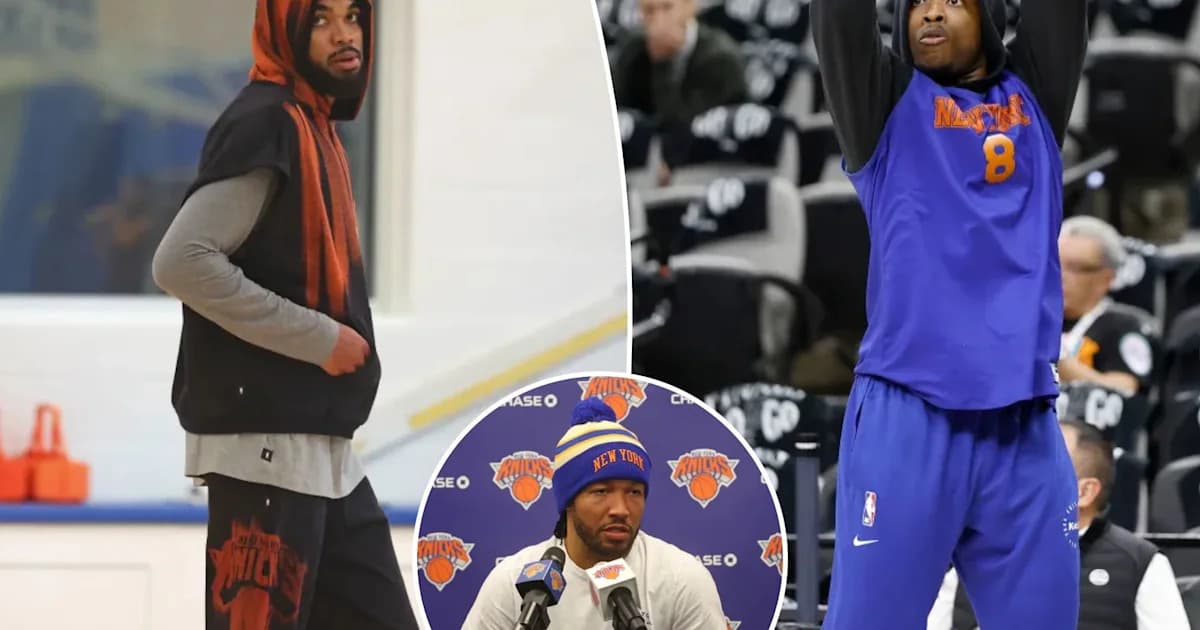
The defending champions lost Mitchell Robinson to the Boston Celtics in free agency, a body blow in the middle of the paint. Outside of Karl-Anthony Towns, the Knicks suddenly lack a reliable, defensive-minded big man. For a team built on physicality and rim protection, that’s not a small hole.
There’s a potential fix — and it runs straight through Dallas.
A hypothetical trade that checks boxes on both sides:
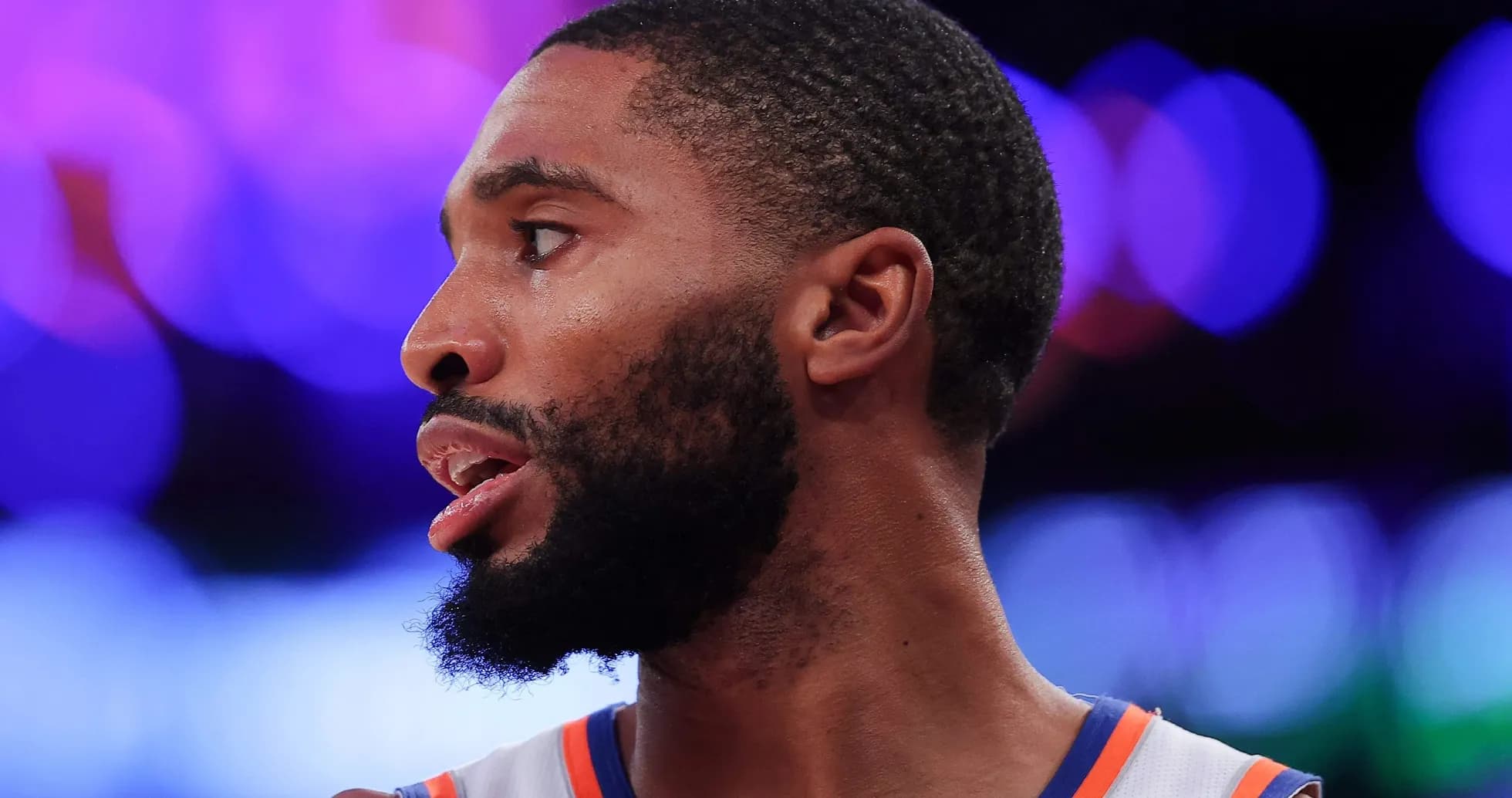
- Mavs receive: Mikal Bridges
- Knicks receive: Daniel Gafford and Caleb Martin
From the Mavericks’ perspective, this would be a clean, strategic move. They unload two veterans, opening up future financial flexibility while clearing the way for their younger bigs. In return, they add Bridges, a two-way wing with star-caliber impact, the kind of player who can thrive next to Flagg and whatever version of Irving remains in Dallas.
For New York, the logic is just as compelling.
Gafford gives the Knicks a starting-caliber center who can run pick-and-roll with Jalen Brunson, protect the rim, and do the dirty work that Robinson once handled. Martin brings playoff-tested toughness on the wing, another rotation piece who fits the Knicks’ rugged identity.
There’s a financial angle, too. The Knicks, flirting with the second apron, would shave more than $6 million off their payroll while adding a starting center and a proven postseason performer. That’s not just roster balance; that’s cap survival.
Is this deal on the table today? No. It’s a hypothetical. But it captures exactly where both teams are: New York trying to hold its ground at the top, Dallas trying to climb back there with a younger, more flexible core.
How Long Can Dallas Wait on Gafford?
The Gafford question hangs over everything.
Dallas has already looked around the league for a trade partner. Nothing has landed yet, and the asking price — a first-round pick — has been a sticking point. For a 27-year-old big man in his prime, that’s not an unreasonable valuation, but timing matters.
The big-man market is light. Teams know it. The Mavericks know it. That’s why they can afford to be patient, at least for now.
But patience has a clock.
If the Mavericks reach the trade deadline without serious traction, they’ll face a choice: hold firm on the first-round pick and keep Gafford, or lower the price to get a deal done and fully commit to the youth movement in the frontcourt.
Given Gafford’s caliber, the expectation is that a trade will materialize before that point. Contenders rarely sit still when a playable, starting-quality center is available. One injury, one underperforming rotation, and the phone starts ringing a little louder.
Dallas has positioned itself well. It has a new architect in Ujiri, a fresh voice on the sideline in May, a budding superstar in Flagg, and a roster that can tilt in several directions depending on which offers finally hit the sweet spot.
The Mavericks aren’t a finished product. They’re something more dangerous for the rest of the West: a team with a plan, leverage, and time.
How long until that quiet rebuild turns into a very loud problem for everyone else?