De Zerbi Defends Medical Staff Amid Injury Crisis Ahead of Chelsea Clash
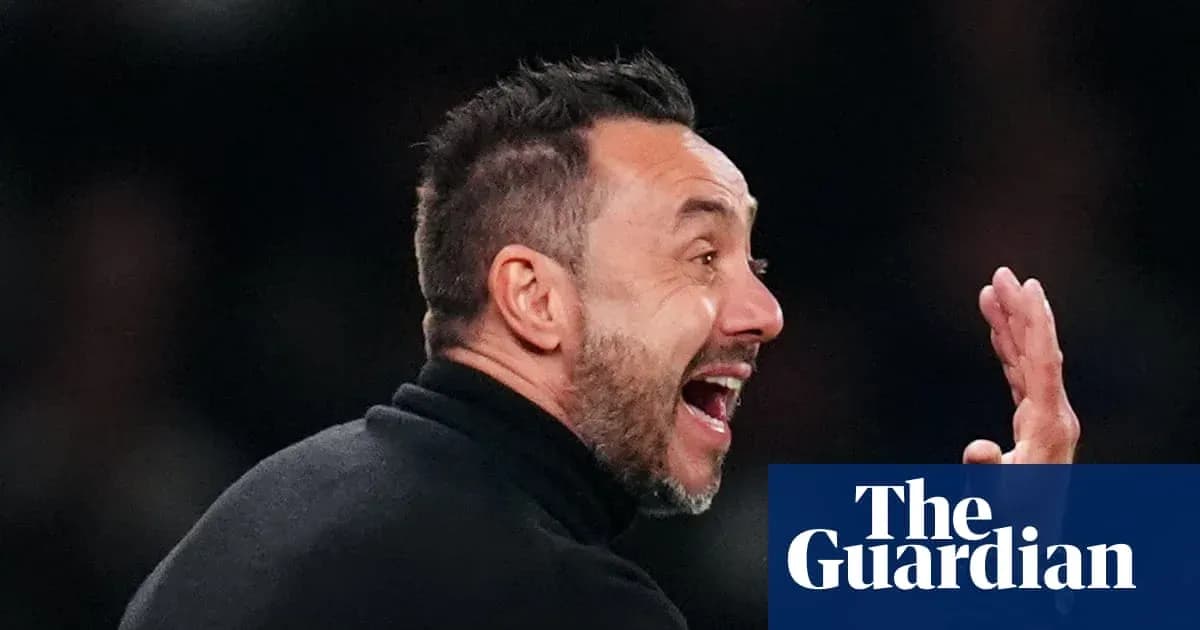
Tottenham’s walking wounded will head to Stamford Bridge on Saturday, but Roberto De Zerbi is adamant on one point: don’t blame the doctors.
The Spurs head coach is staring at a team sheet full of asterisks and caveats before the trip to Chelsea, where the club have just one win in their past 42 visits in all competitions. Yet when the subject turns to the club’s revamped performance and medical department, De Zerbi’s tone hardens. This, he insists, is football – not malpractice.
De Zerbi stands by his medics
Pedro Porro’s return is the headline boost. The full-back is back from his hamstring problems, and De Zerbi also reported positive news on Andy Robertson, Omar Marmoush and Dominic Solanke, all described as “good” after recent fitness concerns.
Then came the other side of the ledger.
Destiny Udogie remains out. Tosin Adarabioyo is a doubt. James Maddison did not train for three days after the win over Coventry on Monday and may not make it. Dejan Kulusevski, who only just tasted his first minutes since May 2025 against Frank Lampard’s side, will be handled with extreme care. Factor in the longer‑term absentees – including Lucas Bergvall and Savio – plus Rodrigo Bentancur’s suspension, and De Zerbi could be without nine players.
Still, he refuses to let the narrative drift towards the treatment room.
Spurs brought in Dan Lewindon as performance director last season, and he oversaw a wave of new hires in July. De Zerbi says the club will produce a “total report” on injuries at the end of the campaign. Until then, he is not entertaining criticism.
“I am convinced our medical staff this season is high level. I have big confidence because I know how they are working and they are good enough to believe in. We are suffering a normal situation in football.”
To make his point, he walked through the cases one by one.
Porro, Bergvall, Robertson – and responsibility
Porro’s story starts with glory. “Pedro won the World Cup with Spain,” De Zerbi said. The defender came back without a proper pre-season, carrying the remnants of a hamstring problem he picked up during the tournament. He felt it in training, pushed to play against Aston Villa on 29 September, and broke down again.
“He pushed to come back before the right time and he suffered another injury. What is the responsibility of the medical staff?”
Bergvall’s injury came in a flash. He turned his knee and felt pain in the first minute against Manchester United on 10 October, played on, and only felt the full extent of the problem the following day.
“What is the responsibility of the medical staff? Nothing.”
Robertson’s issue, De Zerbi argued, was a product of workload, not mismanagement. The full‑back played four games in a row for Scotland during the recent international window, then reported a small problem and missed the trip to Manchester. He managed 65 minutes against Coventry and came off fatigued.
“It’s normal fatigue for a player who played so much.”
This is De Zerbi’s line in the sand: injuries born of overloading, tournament hangovers and players pushing themselves are part of the game. His staff, he insists, are not the villains of the piece.
History at the Bridge? ‘Not our problem’
Tottenham’s record at Stamford Bridge usually looms over this fixture like a storm cloud. One win since 2018. A ground that has repeatedly swallowed Spurs’ ambitions and spat them out.
De Zerbi brushed it aside.
“What is the problem? We didn’t play in the past for Tottenham and I was not the Tottenham coach in the last seasons. We have already many problems and this is not a problem.”
For him, the ghosts belong to other teams, other eras. His concern is the here and now: patching together a side, managing minutes, and walking into one of the most hostile fixtures on the calendar with enough belief to bend the story in a different direction.
The medical staff, he has made clear, will not be on trial. The performance of whoever is fit enough to cross the white line will be.