Denver Nuggets: Key Questions Ahead of the 2026-27 Season
The Denver Nuggets are a month out from finding out exactly who they are.
On October 22, they walk into Oklahoma City to open the 2026-27 season against the Thunder, with Nikola Jokic staring down Shai Gilgeous-Alexander in what already feels like a measuring-stick night. Before that, camp opens in a week, preseason in two. The talking is almost over.
Now come the questions that will define their year.
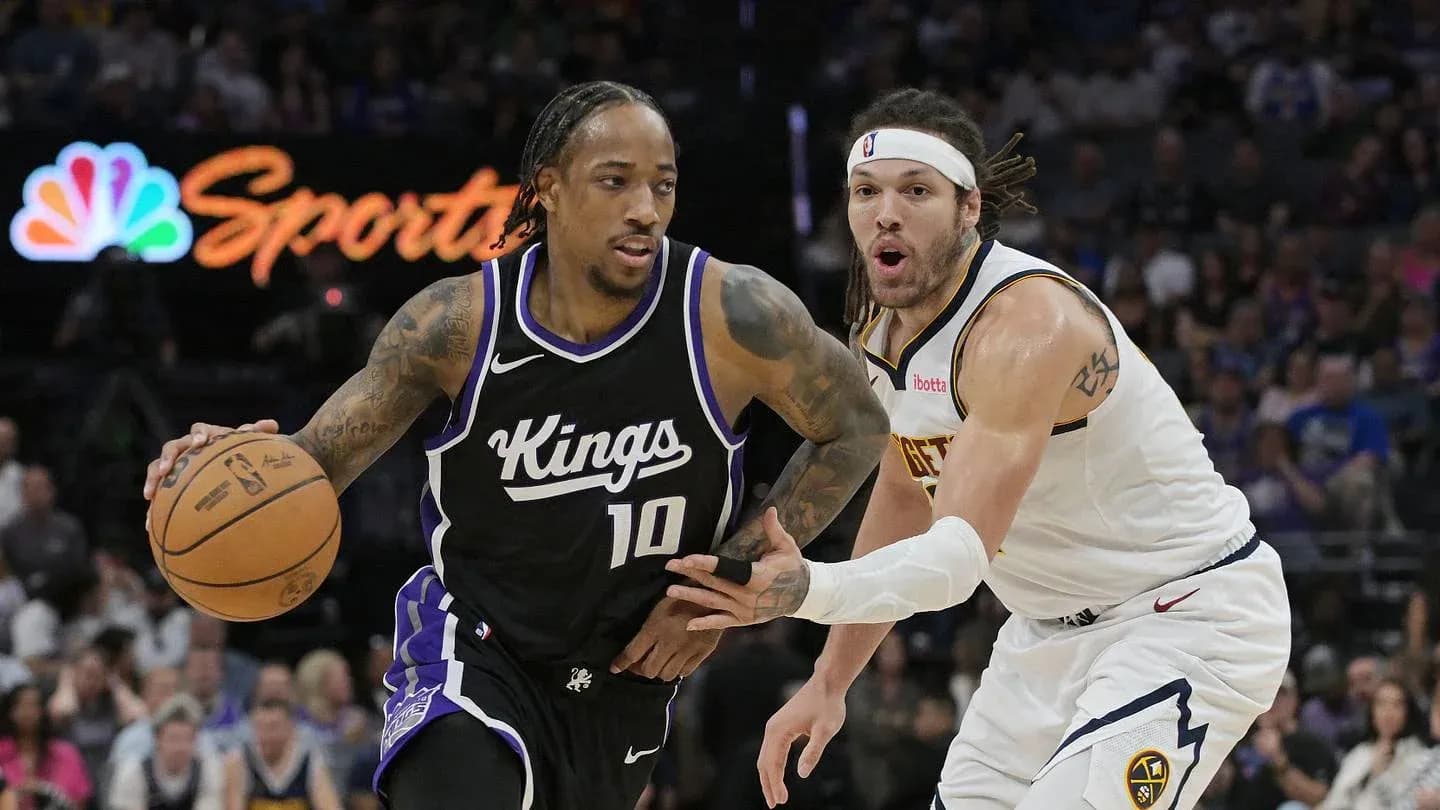
DeMar DeRozan, sixth man or something more?
Denver lost Tim Hardaway Jr. and Peyton Watson in the offseason and answered with a name, not a gamble: DeMar DeRozan. Six-time All-Star. Thirty-seven years old. A wing with a résumé and a game that still travels.
On paper, he solves a glaring problem. The Nuggets’ second unit was thin, short on creation, and lighter on poise than a contender can afford. DeRozan brings all of that in one package: ball-handling, playmaking, and the kind of mid-range scoring that can stop a drought cold.
But this is not the role he’s used to.
DeRozan has not come off the bench in an NBA game since his rookie season in 2009-10. For 16 years, coaches have built offenses around him, handed him the ball, and lived with the results. In Denver, he’s walking into a Jokic-centric system that hums with or without him and a locker room where the hierarchy is already set.
The expectation is clear: he’ll anchor the bench, function as a sixth man, and steady the non-Jokic minutes that have haunted the Nuggets in recent playoff runs. The fit on the floor makes sense. He can run pick-and-roll, create shots for himself and others, and punish second units that can’t match his craft.
The real drama lies in the adjustment.
Can a future Hall of Famer, with his résumé and pride, embrace a reduced role and still play with the same edge? The Nuggets need that answer to be yes. Without him, the bench looked grim. With him fully bought in, Denver suddenly has a veteran hub for its second unit, one who has been remarkably consistent for a decade and a half.
DeRozan will play. He will produce. How he handles coming off the bench might determine how far Denver goes.
Lonnie Walker IV and the last seat on the plane
At the other end of the roster, the stakes are smaller but the pressure feels just as sharp for Lonnie Walker IV.
This is his second attempt to claw his way back into the league after a EuroLeague stint, and the Nuggets have given him the thinnest of lifelines: a non-guaranteed one-year deal and a deadline of opening night to convince them he belongs.
He’s 27. He’s athletic. He’s shown he can score at this level. In his last NBA run, a 20-game stretch with the Philadelphia 76ers at the end of the 2024-25 season, Walker averaged 12.4 points, 3.2 rebounds, and 2.5 assists. Those are not empty numbers. They’re the stat line of a guard who can create, handle the ball, and give you real minutes off the bench.
The question isn’t whether Walker is an NBA-caliber player. He is. The question is whether Denver wants to use its final roster spot on him at all.
There’s a sense that the Nuggets might prefer to keep that spot open, to preserve flexibility for the trade market or a midseason buyout. That’s the obstacle Walker is really fighting: not just other players, but the front office’s long-term strategy.
On the floor, he offers something concrete. He could give them extra guard depth behind Tyus Jones and Julian Strawther, and there’s a real argument he could outplay both. He’s a more dynamic scorer than Jones and more proven than Strawther. If he shoots well in camp, defends with energy, and shows he can fit next to Jokic’s unique playmaking, he forces a decision.
Walker is playing for his NBA future. Denver is deciding whether that future overlaps with its own.
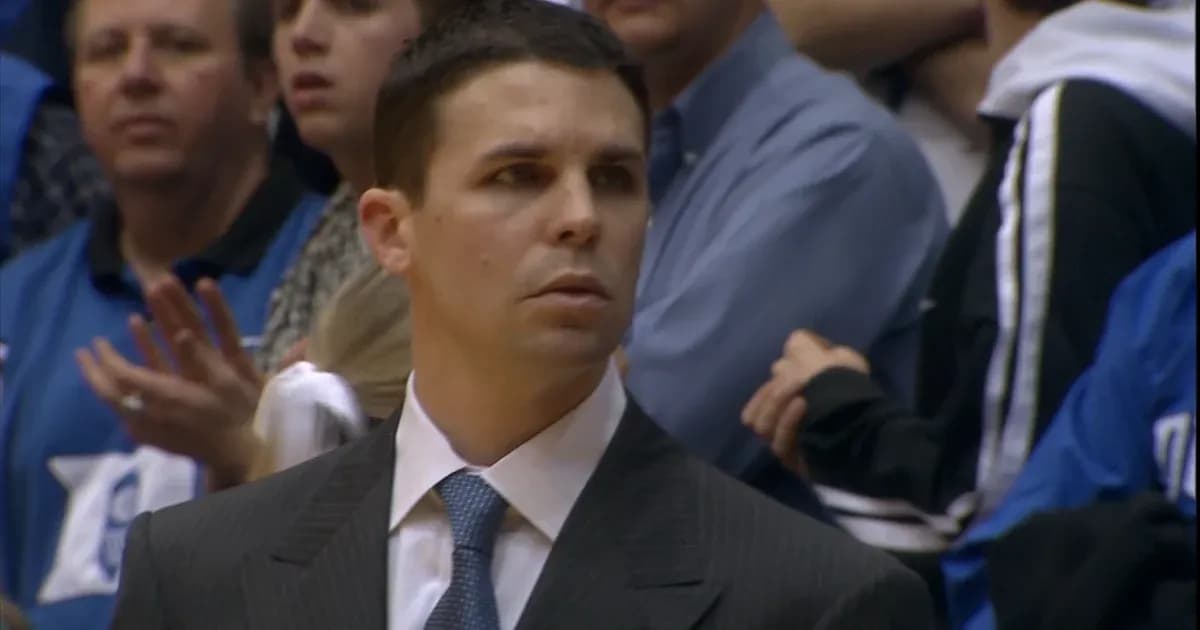
The weight on David Adelman
The biggest spotlight, though, doesn’t fall on a player. It falls on the man on the sideline.
David Adelman enters his second full season as head coach of the Nuggets with a roster that still features Nikola Jokic and Jamal Murray in their primes, but a playoff résumé that has not matched the talent. He took over just before the 2025 postseason. That run ended in the second round. This past season ended in a first-round embarrassment.
In Denver, that’s not a blip. That’s a trend.
Last year, the Nuggets had the best offense in the league. They also had the 21st-ranked defense. That imbalance told the story of their season. They could score with anyone, but when the game slowed down in the playoffs and possessions tightened, they couldn’t string together stops.
Adelman has to change that.
He doesn’t have to turn Denver into a grinding, defensive juggernaut. He does have to find a structure that protects Jokic, sharpens the perimeter, and gives this group a chance to survive the playoff halfcourt wars. The arrival of Dave Joerger as top assistant should help. Joerger has long carried a reputation as a defensive mind, and his voice on the staff signals a clear shift in emphasis.
But the responsibility still lands on Adelman.
He has stars most coaches dream of. He has a front office willing to tinker around the edges, bringing in DeRozan, taking a look at Walker, and reshaping the bench. The organization has given him enough to compete for a title.
So far, he hasn’t shown he can guide this version of the Nuggets to that level. That’s the reality he walks into camp with.
This season feels like a line in the sand. Either Adelman finds the balance his team has lacked and turns Denver back into a genuine contender, or the franchise may decide someone else has to try.