Deportivo Cali Player Johan Martínez Faces Gun Violence in Cali
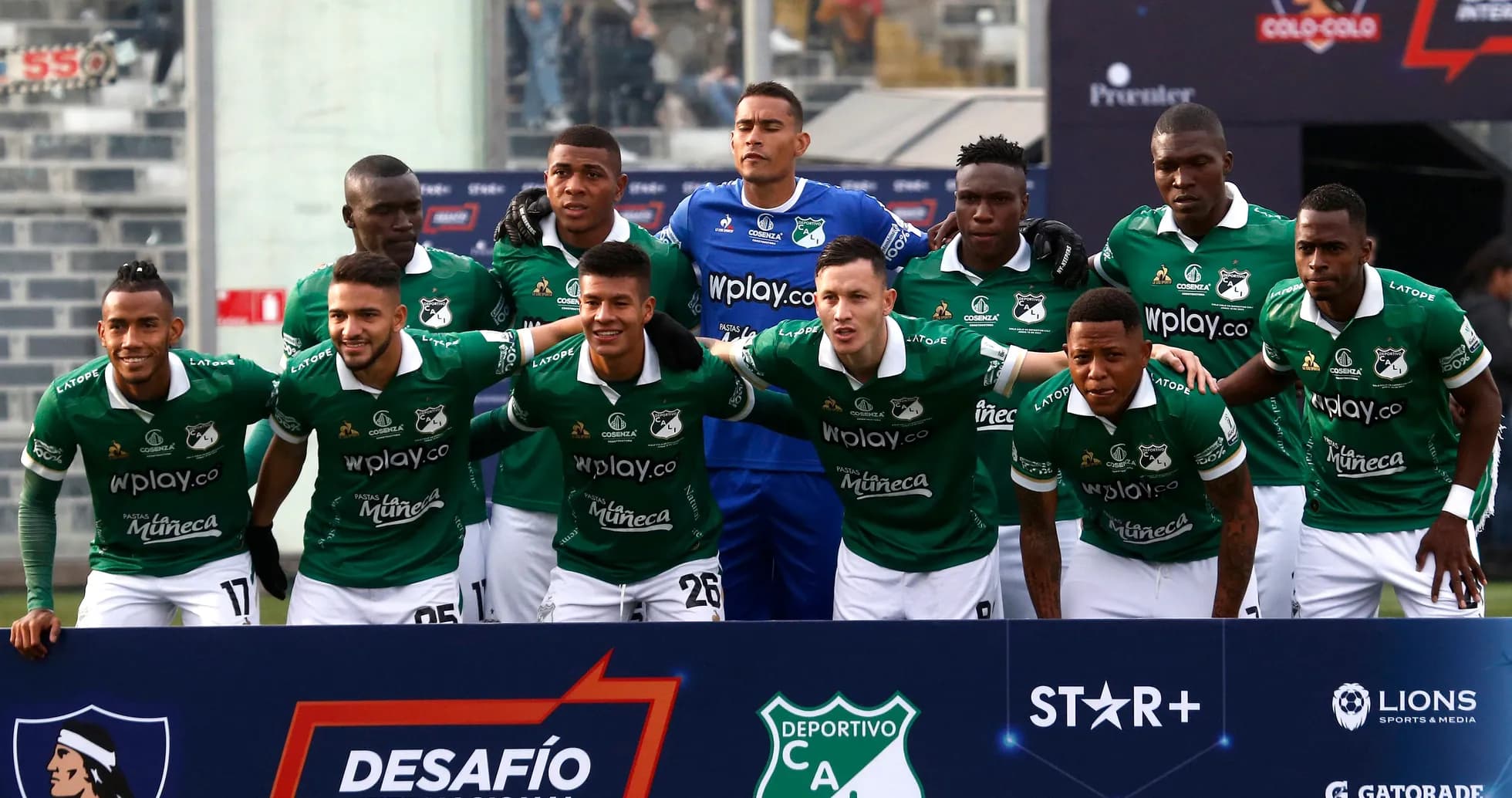
Johan Martínez left home expecting a normal journey across Cali with his family. Instead, the Deportivo Cali player found himself staring down the barrel of a gun, the latest victim of a wave of violence that is dragging Colombian football into dangerous territory.
According to reports in Marca, Martínez was ambushed in the city by armed assailants described as alleged club supporters. The attack, carried out while he was travelling with his loved ones, was not a case of mistaken identity. It was targeted. It was violent. And it has shaken an entire institution.
Deportivo Cali moved quickly. Within hours, the club’s hierarchy had issued a stark, uncompromising statement.
“Club Profesional Deportivo Cali S.A. categorically rejects the acts of violence and intimidation to which our player was subjected yesterday. Our institution expresses its full support and solidarity with Johan and his family. No form of aggression, threat, or intimidation has a place in football or in our society.”
No soft language. No attempt to downplay what happened. Just a clear message: this is not football.
Inside the club, the shock is raw. Speaking to Super Combo del Deporte, legal director Felipe Restrepo laid bare the brutality of the incident.
“They intimidated him with a firearm, they assaulted him; this cannot happen, people who do this are not fans,” he said.
That distinction matters. Colombian football has long wrestled with the darker edges of fan culture, but this goes beyond hostile chants or angry banners. A player, off duty and with his family, was allegedly threatened at gunpoint. The shirt he wears became a pretext for a crime.
The impact has been immediate and profound. The attack has reignited a fierce national debate about security for professional athletes and their families, at a time when violence linked to the sport is again on the rise. Clubs, players, and authorities now find themselves under renewed scrutiny: who is actually safe, and what protections are truly in place?
Inside Deportivo Cali’s training ground, the response has been as much about care as it has been about condemnation. Officials confirmed that Martínez has been given intensive psychological counselling to help him process the trauma of the hold-up. The mental scars from such an ordeal can linger far longer than any physical injury.
Remarkably, and perhaps tellingly of a player trying to reclaim some normality, Martínez has already rejoined first-team training. He escaped without serious physical harm, but no one at the club is under any illusion about what he endured.
Off the pitch, the club has moved into investigative mode. Cali officials are working closely with judicial authorities and the Cali Police Department to establish a motive and hunt down those responsible for the armed ambush. The message is clear: this will not be brushed aside as just another incident in a troubled landscape.
Inside the dressing room, another kind of test is unfolding. The coaching staff now carry a different sort of pressure. It is no longer just about tactics, selection, or league position. It is about holding together a group of players who have seen one of their own, and his family, targeted in the most personal way.
The next domestic league fixture suddenly feels heavier. It is not simply a question of form or points; it is a measure of psychological resilience. Can a squad compartmentalise an episode like this and still perform? Should they even have to?
For Deportivo Cali, and for Colombian football at large, this is more than a single shocking crime. It is a warning flare. If a player cannot move safely through his own city with his family, what kind of game is left to protect?