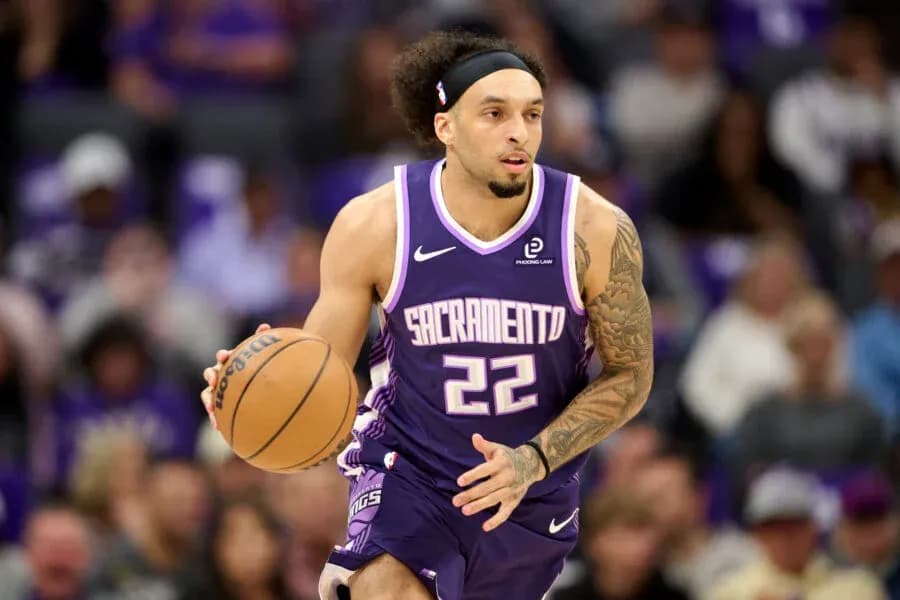
Devin Carter: Is He Worth the Gamble for the Miami Heat?
The Miami Heat have never been shy about leaning into their own history. They’ve brought back familiar names, signed sons of former players, and kept organizational ties tight. It’s part culture, part comfort, part belief that knowing “Heat basketball” matters.
That’s where Devin Carter walks in.
His surname already hangs in franchise memory. His father, Anthony Carter, carved out the first four seasons of his 13-year NBA career in Miami and later returned as an assistant coach. He’s now on the Memphis Grizzlies’ staff, but his imprint in South Florida still lingers. Devin would not just be another guard on the market; he’d be another chapter in a family story the Heat know well.
The question is whether that story still fits the present.
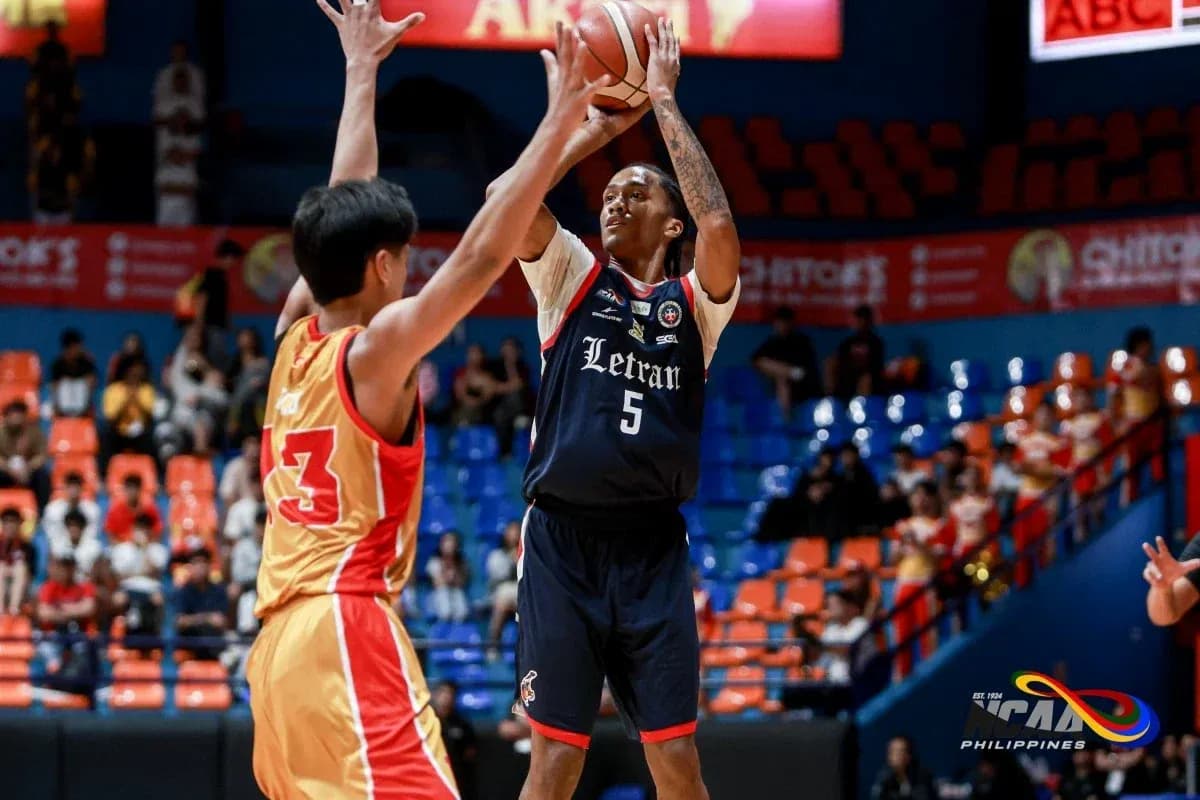
Devin Carter arrived in the league with promise. Coming out of Providence, he carried the profile of a tough, competitive guard with upside, enough to be taken 13th overall in the 2024 draft. Two years later, that shine has dulled. The talent hasn’t disappeared, but the availability has.
Injuries have shadowed his early career, interrupting the development arc that front offices bank on with lottery picks. Those setbacks now define the conversation around him as much as his potential does. Sacramento made the initial investment. Atlanta took the next swing. Both have now moved on, deciding he wasn’t part of their plans for the 2026/27 season.
That’s not a small detail. When two teams in quick succession decide to step away from a recent lottery pick, the league pays attention.
For Miami, the decision doesn’t start with nostalgia. It starts in the training room and the analytics department. As Ira Winderman of the South Florida Sun Sentinel notes, the medical file will drive much of the Heat’s evaluation. The background on Carter’s injuries — the type, the severity, the recurrence risk — will matter as much as any college scouting report or pre-draft projection ever did.
The Heat have built a reputation on squeezing value out of overlooked or discarded players, turning question marks into rotation pieces. They trust their conditioning program, their developmental structure, their culture. A guard with Carter’s pedigree and physical tools, if cleared and stabilized, fits the kind of reclamation project they’ve embraced before.
But this isn’t a sentimental exercise. Legacy can open the door; it can’t justify the contract.
If the medicals suggest that Carter can stay on the floor, Miami’s history with players tied to the organization makes him an obvious name to circle. If they don’t, the Heat’s discipline has been just as much a part of their identity as their loyalty.
Devin Carter may well get another chance in the league. The intrigue now is simple: will that next opportunity come from the franchise where his father first made his name, or will Miami’s famed culture decide that this is one family reunion it can’t afford?