Diomansy Kamara Critiques Treatment of African Footballers
Diomansy Kamara did not lose a transfer battle this week. He lost his patience.
As the window slammed shut, two of his clients – Ismaila Sarr and Lamine Camara – saw dream moves collapse at the last possible moment. For Kamara, it was not just another brutal day in the market. It was a line in the sand for how African footballers are treated at the top end of the game.
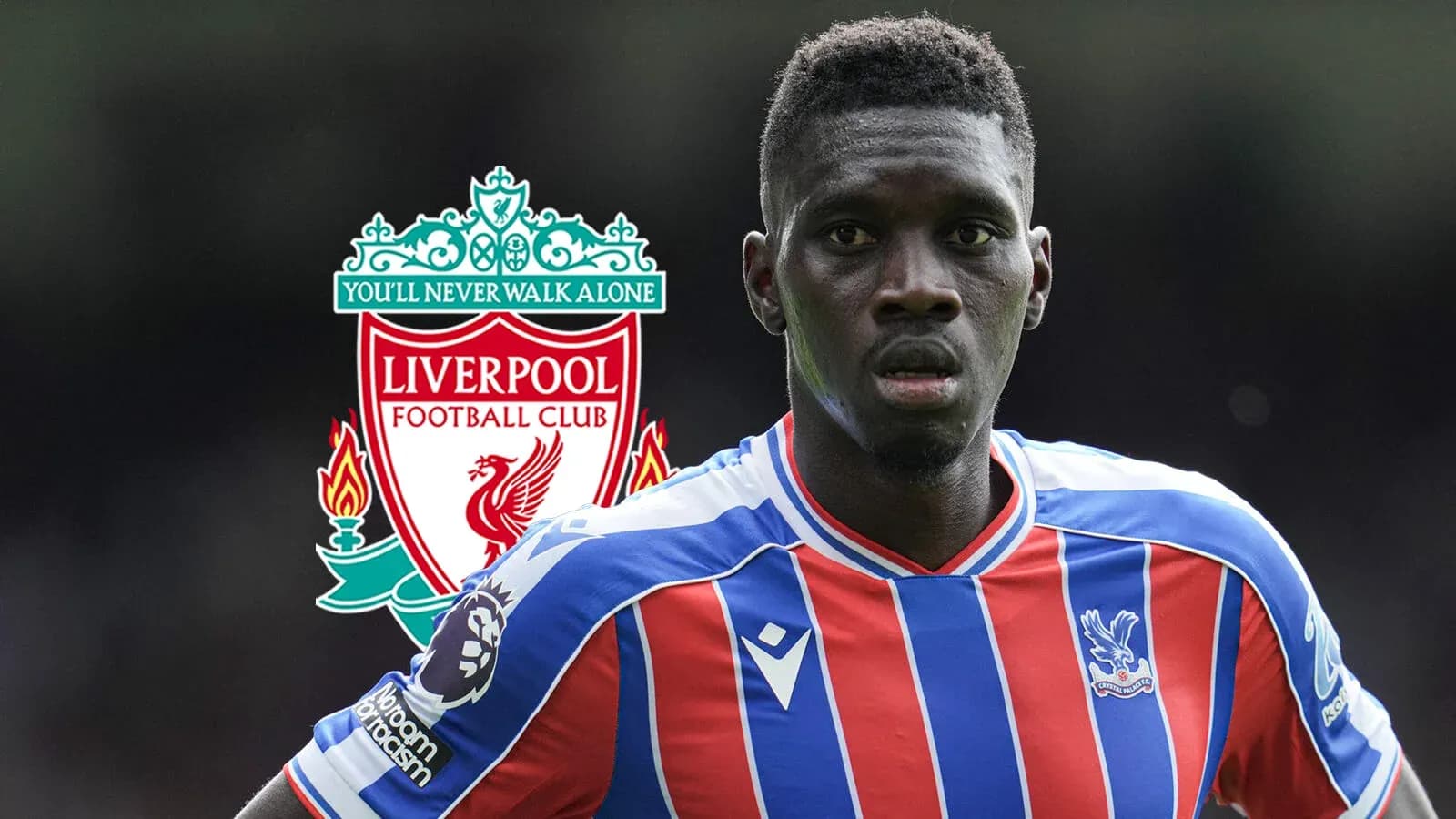
Sarr blocked as Liverpool’s winger plan unravels
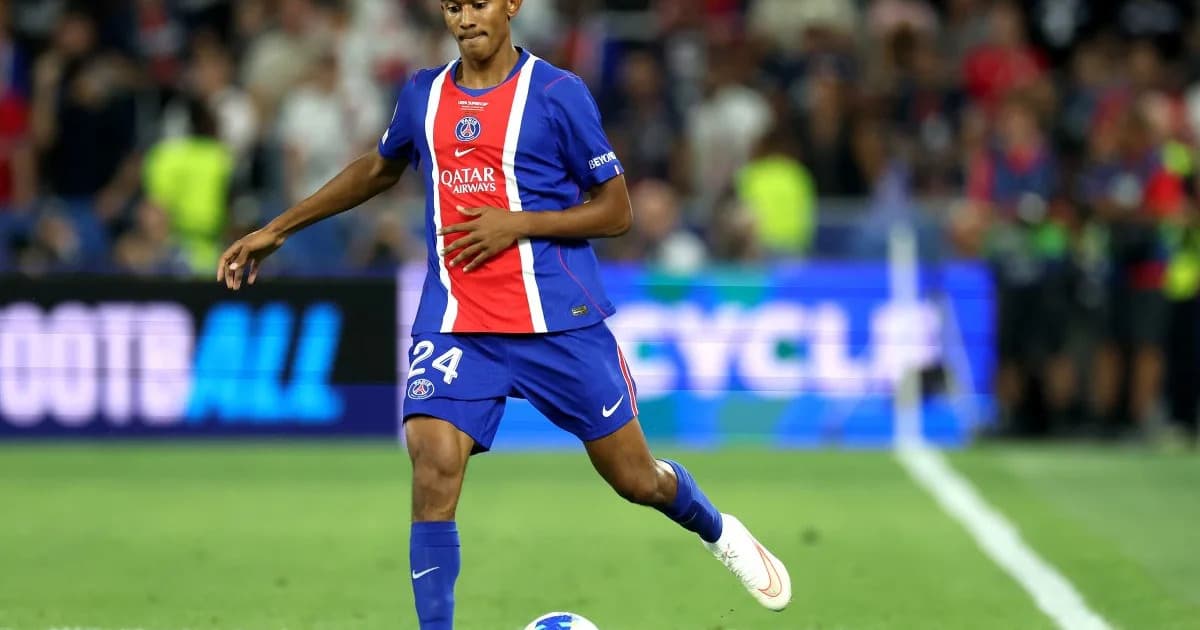
Liverpool entered this summer with a clear attacking brief. Victor Munoz arrived early, and the club hierarchy set about arming Andoni Iraola with more firepower out wide. One major deal landed: Bradley Barcola, prised from Paris Saint-Germain in a statement £123million transfer.
Barcola ticked one box. The other stayed stubbornly empty.
Liverpool wanted a specialist right winger. They looked at Barcola’s former PSG team‑mate Ibrahim Mbaye, but balked at the price, leaving Aston Villa to close a €55m (£47m) deal. The search moved on quickly. Ismaila Sarr at Crystal Palace and Yankuba Minteh at Brighton emerged as the key targets.
The push for Sarr grew serious. A £40m offer went in and was rejected. Fabrizio Romano reported that Liverpool returned with a £50m bid for the Senegal international, though that figure has been disputed by other sources. What is not in doubt is the outcome: on deadline day, Palace told Liverpool Sarr was going nowhere – not for £50m, not for more.
For Sarr, the chance to walk out at Anfield vanished in a phone call. For Kamara, it was the second blow of the day. Monaco had already pulled the plug on Lamine Camara’s £47m move to Chelsea at the last minute.
The agent took his anger public.
“Our African players deserve respect”
On social media, Kamara turned two failed transfers into a wider question about power, dignity and voice in the modern game.
“The cases of Ismaïla Sarr and Lamine Camara must all interrogate us,” he wrote, before cutting to the heart of his frustration: the sense that African players are too often treated as stock, not people.
“We have to get out of this logic where the African player can sometimes give the feeling that he is just a commodity: you buy it, you set its price, you negotiate its future and, too often, your will seems to go to the background.”
Line by line, he stripped away the numbers and clauses that dominate deadline day and pushed the human reality back to the front.
“Our African players deserve respect. The respect of their work. The respect of their career. Respecting their ambitions. The respect of their voices.
“A transfer shouldn’t just be a matter of two clubs and numbers. Behind every contract, there’s a man, a career, dreams and life choices.”
Kamara did not deny the basic mechanics of elite football. Clubs hold contracts. They can refuse to sell. That, he conceded, “is a reality of professional football.” His issue lies in what gets drowned out when the market roars.
“One question remains: what about the career and the will of the player? The player must be able to be heard and respected in the decisions that determine his future.
“Let’s never forget what’s important: behind every success, it’s the players who write history first.”
On a day when two major Premier League moves for African talents were shut down at the eleventh hour, the message cut sharply through the noise.
Liverpool left lopsided after failed bids
Kamara’s words landed against a backdrop of frustration on Merseyside as well. Liverpool’s hunt for a right winger ended empty-handed.
The club did not just miss on Sarr. Their pursuit of Yankuba Minteh ran into the same brick wall. Brighton rejected bids of £50m and £60m for the Gambian winger and stuck to an £80m valuation that Liverpool ultimately walked away from.
There was late talk of a move for Stuttgart’s Jamie Leweling as a potential solution, but that trail went cold before it ever truly warmed up. Deadline day ended with Liverpool’s attack heavily weighted to one side.
Jamie Carragher did not bother to hide his concern.
“I’m disappointed. I’m not quite sure what we’re going to do on that right wing right now,” he admitted, summing up what many supporters were already thinking as the clock hit zero.
“It doesn’t look a balanced squad. Liverpool are short in full-back areas and probably a midfield player as well.
“I sit there scratching my head and thinking, ‘We’ve got four left wingers; we haven’t got one right winger.’ Something like that just doesn’t feel right to me.”
The former defender then widened the lens. This is not a club quietly rebuilding from mid-table. This is a team that, as he pointed out, “won the league just over a year ago,” and has spent heavily since.
“We spent an awful lot of money since then and I don’t think anybody inside Liverpool or Liverpool supporters really believe we can win the league this season, or the manager’s got the tools to go and win the league this season, and that just doesn’t feel right.”
On one side, a club with money spent but holes still glaring. On the other, players whose ambitions collided with the hard edge of the market.
Kamara’s challenge now lingers over all of it: in a sport built on talent from every corner of the world, who truly gets to decide where that talent goes next?