Edu Departs Nottingham Forest as Power Dynamics Shift
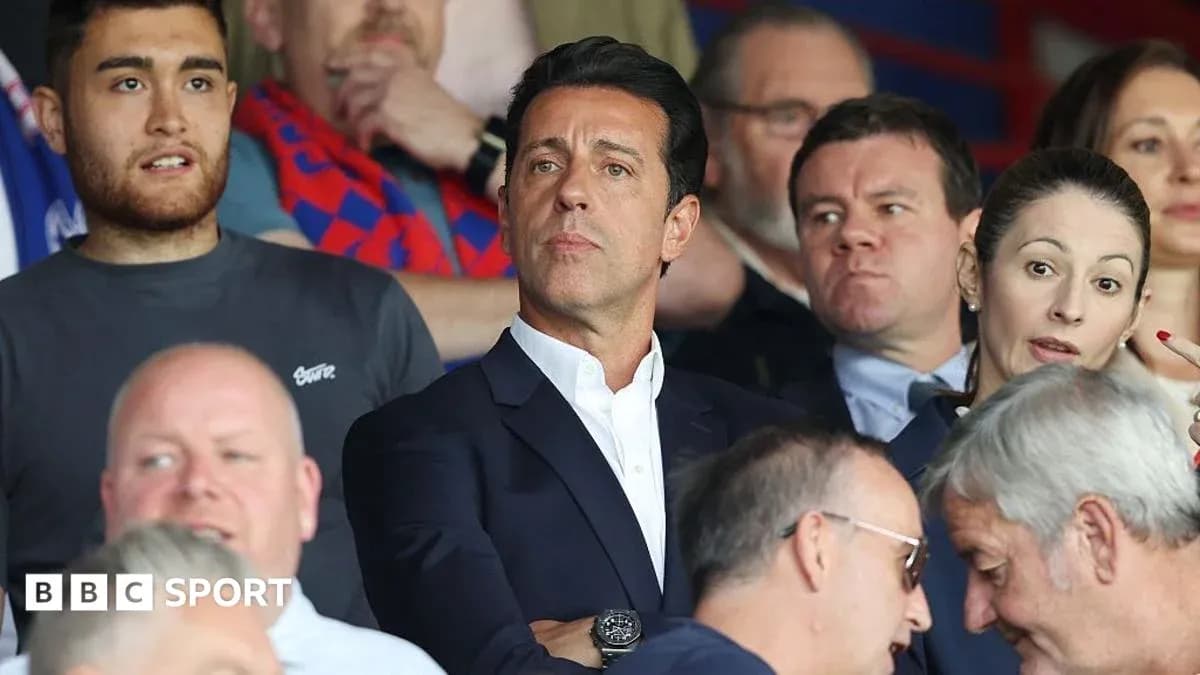
Edu’s brief and turbulent spell as Nottingham Forest’s global head of football is over, barely a year after he walked through the doors at the City Ground with a heavyweight reputation and a bulging CV from Arsenal.
The former Brazil international, whose contract is believed to have been terminated, had not been seen at a Forest game since February. His departure had felt like a matter of time rather than a shock announcement, the end point of a relationship that had been fraying in public view for months.
Fallout and a fractured structure
The first major crack appeared with Nuno Espirito Santo. Nuno arrived, clashed with Edu, and was gone by September – the first of four managers Forest burned through last season.
The Portuguese coach hinted at internal tensions on his way out, pointing to a shift in his relationship with owner Evangelos Marinakis. The message was clear enough: the football operation behind the scenes was anything but aligned.
Edu’s role sat right in the middle of that storm. His position came under intense scrutiny as Forest lurched from one managerial change to another, and the absence from matchdays only deepened the sense that his influence at the club had waned long before the formal split.
No like-for-like replacement
Forest are not planning to replace him directly. Instead, chief football officer George Syrianos will take on Edu’s responsibilities, a move that tightens the power base and simplifies the chain of command under Marinakis.
It is a significant decision. Edu’s remit stretched beyond Nottingham, formally covering Olympiacos in Greece and Rio Ave in Portugal – both also owned by Marinakis. His job was designed as a multi-club, strategic role. Now, that broader brief is being folded into Syrianos’ hands.
From Arsenal architect to Forest exit
When Edu was appointed in July 2025, Forest were buying into a proven track record. At Arsenal he had risen to become the club’s first sporting director in 2022, shaping a squad that went on to win the Premier League last season, ending a 22-year title drought.
As a player he had already written his name into Arsenal’s modern history with two Premier League titles and two FA Cups. As an executive he helped bring Mikel Arteta to Emirates Stadium, backing him through the early turbulence and ultimately seeing that call vindicated with the league crown.
Forest hoped some of that clarity and conviction would travel north. Instead, his time at the City Ground will be remembered for instability in the dugout and a structure that never quite settled.
New faces in the boardroom
Edu’s exit lands just days after another major change upstairs. Former Olympiacos vice-president Theodore Giannikos arrived last week as Forest’s new chief executive, replacing Lina Souloukou, who stepped down at the end of last season.
Giannikos steps into a club where the ownership influence is unmistakable, the executive tier is being reshaped, and the football department has just lost one of its highest-profile figures.
The question now is not who replaces Edu – Forest have already decided there will be no direct successor – but whether this leaner, more centralised model can finally bring the stability that has so clearly eluded the club.