Edu's Nottingham Forest Departure: A Cautionary Tale
Edu’s Nottingham Forest experiment is over. Quietly, and some time after it had effectively ended in all but name.
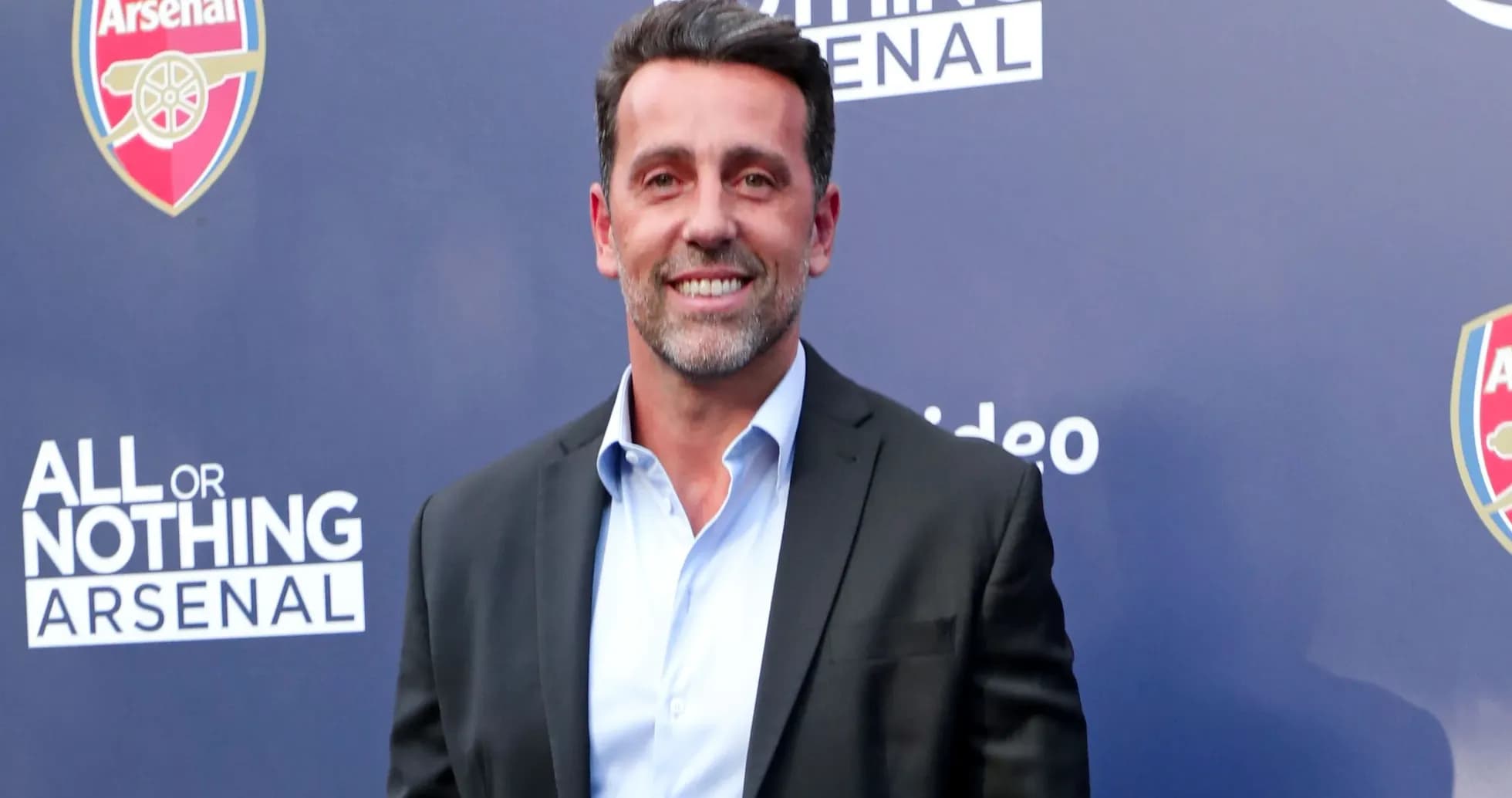
The Brazilian executive has officially left Forest just over a year after arriving as global head of football, tasked with driving an ambitious multi-club project. The Athletic reports his departure, but in reality his influence had evaporated months ago. He has not been at a match since February, and has not set foot at the City Ground or the training ground since early March, when word first leaked that the club were preparing to move on.
Forest are not planning a grand announcement. No farewell statement, no carefully crafted tribute. There will be no like-for-like replacement either. The club has already moved on structurally, with Chief Football Officer George Syrianos stepping into the space Edu once occupied. Syrianos’ responsibilities expanded as soon as Edu was sidelined, and his growing authority has also helped cover the gap left when Ross Wilson departed for Newcastle United in October last year.
It is a low-key exit that reflects the way Edu’s time in Nottingham unravelled: messy, public, and ultimately unsustainable.
From Champions League talk to chaos
Edu arrived with a heavyweight reputation. This was the former Arsenal Invincible, the architect credited with helping restore the Gunners’ competitive edge from the boardroom. Forest handed him the keys to their football operation and talked about building something bigger than a single club.
For a brief spell, the ambition did not look misplaced. Under Nuno Espirito Santo, Forest flirted with the Champions League places, punching above their weight and hinting at a bold new era at the City Ground.
Then the relationship at the top fractured.
A falling out between Nuno and Edu detonated the fragile balance. Nuno left, and with him went the sense of steady progress. What followed was not just a wobble but a full collapse into a tense relegation battle, with the club lurching from one solution to the next.
The dugout turned into a revolving door. Ange Postecoglou lasted just 39 days before walking away from a project that already looked unstable. Sean Dyche came in as the firefighter, the man to steady the ship, and was dismissed in February. Vitor Pereira’s spell barely registered before Forest turned again, this time to former Crystal Palace manager Oliver Glasner.
Each appointment was framed as a reset. Each one underlined how far the club had drifted from the consistency they craved. The common thread through that turbulence was Edu’s position at the top of the football structure, and scrutiny around his decisions grew louder with every change.
Transfers that never took off
If the coaching carousel damaged Edu’s standing, the recruitment record shredded it.
Forest spent heavily. They targeted names with pedigree, players whose reputations suggested they should lift the club’s level. On paper, the likes of Omari Hutchinson, Douglas Luiz and Oleksandr Zinchenko offered quality, experience and versatility.
On the pitch, they never truly arrived.
None of those signings made the impact expected of them at the City Ground. Performances stalled, roles looked ill-defined, and the squad began to resemble an expensive puzzle with too many mismatched pieces. Supporters questioned the strategy. Pundits followed. The sense grew that Forest were paying for big reputations rather than building a coherent team.
For a man whose Arsenal tenure had been defined by shrewder squad building and a clear long-term plan, the contrast was stark. In North London, Edu had come in as the club’s first technical director in 2019, installed former teammate Mikel Arteta as manager later that year, and helped shape a side that returned to the Premier League’s top end. His promotion to sporting director in November 2022 looked like the natural next step for a rising executive.
His resignation from Arsenal in November 2024 surprised many. His struggles at Forest have surprised even more.
A rare misstep in a decorated career
Edu’s exit from Nottingham marks one of the few obvious low points in a career otherwise lined with success.
As a player, he was part of Arsenal’s iconic 2003-04 ‘Invincibles’ – a midfielder trusted in one of the greatest sides the Premier League has seen. Off the pitch, he built his administrative reputation long before stepping back into European football’s spotlight. Five years as Corinthians’ director of football, a stint as an advisor to the Iran national team in 2014, and three years as general coordinator for Brazil gave him a grounding at the highest level of the game.
That background made his appointment at Forest feel like a coup. It also makes his departure feel even more jarring.
The club will now move forward with Syrianos shaping the football department and Glasner trying to restore some form of stability on the touchline. Edu, meanwhile, leaves behind a year that damaged his standing but is unlikely to define him.
The question now is simple: does this turbulent chapter close the door on his Premier League executive career, or does it become the misstep that sharpens his next move?