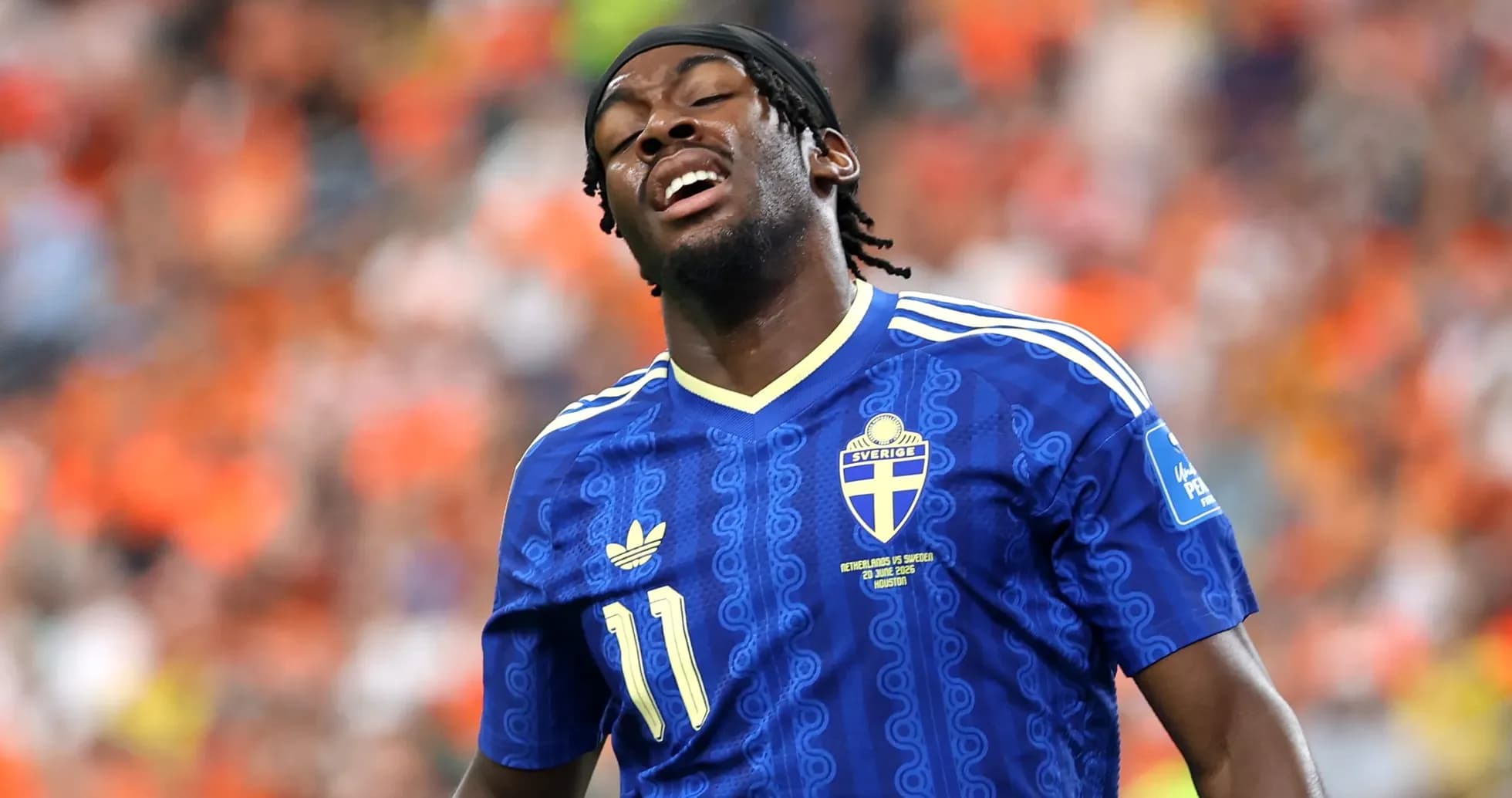
Elanga's Injury Complicates Sweden's UEFA Nations League Plans
Anthony Elanga’s season has stalled just as it was beginning to catch fire.
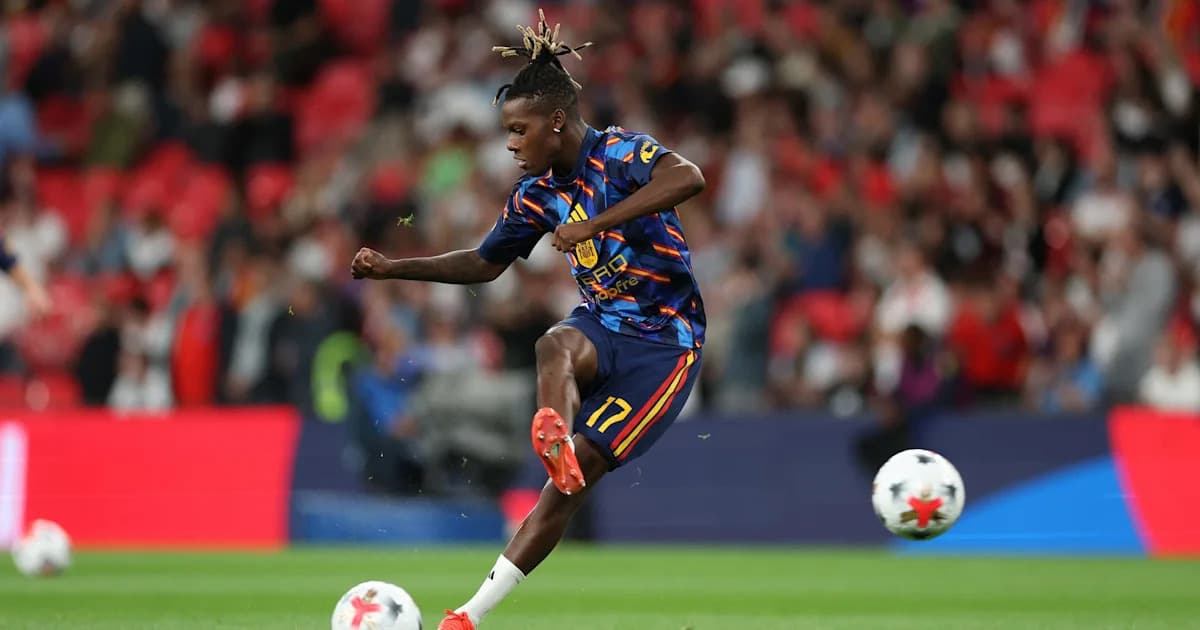
The 24-year-old winger, tipped to be a central figure for Sweden’s autumn UEFA Nations League campaign, has been ruled out after suffering an injury in the past week. His omission from the squad list raised eyebrows when it dropped, and the Swedish FA quickly confirmed the bad news: Elanga will play no part in the fixtures against Romania, Poland, or Bosnia and Herzegovina.
For club and country, the timing could hardly be worse.
Jaissle braced for bad news
The alarm bells started ringing after The Magpies’ bruising 4-1 defeat at Leeds. Matthias Jaissle, already digesting a heavy loss, cut an anxious figure when asked about his winger’s condition.
“The injury doesn’t look good. We need to investigate how serious it is,” the German said in the immediate aftermath. He didn’t dress it up. Elanga, one of his most explosive attacking threats, is “struggling with injury” and “at the moment it does not look that good.”
The club will send him for another MRI next week. Until then, there is only uncertainty and an uncomfortable waiting game.
“We will miss him and hope he is back to play quickly,” Jaissle added. “It could be [long-term]. We hope not.”
Those words hang heavy. For a player whose pace and direct running have become a core part of Jaissle’s attacking blueprint, the prospect of a lengthy lay-off is more than a minor setback; it forces a rethink.
Potter forced into a rethink
On the international stage, Graham Potter has had to react quickly. With Elanga unavailable and other key pieces such as Isak Hien and Jacob Widell Zetterstrom also sidelined, the Sweden manager has gone for volume, naming an enlarged squad to spread the load across a demanding Nations League schedule.
Potter’s response is not just about plugging gaps. It’s also about reshaping the future.
His decision to leave out veteran goalkeeper Kristoffer Nordfeldt underlined that shift. Instead, he has turned to youth, calling up Melker Ellborg and Noel Tornqvist, and making it clear this is a deliberate step rather than a stopgap.
“I think it’s a good time to look a little forward, bring in more younger goalkeepers who we need to get to know and gain a greater understanding of, while giving them the chance to gain experience at this level which is important for their development,” Potter said.
No nostalgia, no sentiment. A clean pivot towards the next generation.
Big tests, big names
Sweden’s Nations League group in Division B offers no margin for error. Bosnia and Herzegovina, Poland, and Romania form a tight, awkward cluster of opponents where every slip is punished.
The campaign opens on September 25 in Stockholm against Romania. Three days later, Poland arrive in the capital. Two home games, six points on offer, and a clear opportunity to set the tone.
Even without Elanga, this is not a side stripped of quality. Liverpool’s Alexander Isak and Arsenal’s Viktor Gyökeres are expected to carry the attacking burden, the marquee names tasked with turning possession into points.
Potter has been clear about the mission for this window. It is not just about blooding youngsters or surviving an injury crisis. It is about progress with a hard edge.
“We also need to continue to develop the team and build on what we established in the World Cup and a good way to do that is to win matches,” he concluded.
Development, then, with a scoreboard attached. Elanga’s absence complicates that task, but it also sharpens the question facing Sweden: who steps up now, when one of their brightest sparks is suddenly missing from the stage?