England Squad Call-Ups Ignite Debate Over Foden's Omission
The Nations League has its critics, but it rarely fails to provoke an argument. England’s latest squad announcement did exactly that.
Trent Alexander-Arnold is back in the fold. So too are Cole Palmer, Alex Scott and 17-year-old Rio Ngumoha. Phil Foden, though, is nowhere to be seen.
For a player long seen as the technical heartbeat of England’s future, Foden’s omission is the headline jolt. In his place, Gareth Southgate has doubled down on a blend of established leaders and fast-rising talents who have torn up the Premier League and European youth scene over the past 18 months.
Full Squad
Goalkeepers: Jordan Pickford, James Trafford, Jason Steele
Defenders: Trent Alexander-Arnold, Jarrod Branthwaite, Trevor Chalobah, Marc Guehi, Lewis Hall, Ezri Konsa, Tino Livramento, Nico O’Reilly, Jarrell Quansah
Midfielders: Elliot Anderson, Jude Bellingham, Myles Lewis-Skelly, Kobbie Mainoo, Cole Palmer, Declan Rice, Alex Scott
Forwards: Dominic Calvert-Lewin, Eberechi Eze, Anthony Gordon, Harry Kane, Rio Ngumoha, Marcus Rashford, Morgan Rogers, Bukayo Saka
Alexander-Arnold’s inclusion is no surprise on form, but his role will again be a talking point. Right-back, inverted full-back, or fully-fledged midfielder? Southgate’s use of him has never been straightforward, and this squad – with its mix of ball-players and runners – suggests the debate is far from over.
At the back, Jarrad Branthwaite’s name jumps out. The defender has been edging towards this moment, and his recent performances have clearly cut through. Jason Steele’s presence among the goalkeepers underlines the premium placed on distribution from the back, while James Trafford’s call-up keeps England’s next-generation No 1 pathway firmly open.
The midfield, as ever, is where the intrigue deepens. Jude Bellingham and Declan Rice are the anchors of any serious England tilt at silverware, but around them the picture is changing. Kobbie Mainoo’s rise continues. Elliot Anderson and Myles Lewis-Skelly add youthful energy and versatility. Cole Palmer and Alex Scott, both gifted between the lines, bring craft and incision.
That creativity makes Foden’s absence even starker. Adam Wharton’s ongoing omission, flagged by fans almost as soon as the squad dropped, only adds to the sense that Southgate’s midfield jigsaw still leaves some sharp edges.
Up front, the old and new collide. Harry Kane remains the reference point, the one name you can ink into any England XI months in advance. Around him, Marcus Rashford, Bukayo Saka, Eberechi Eze and Anthony Gordon give England pace, directness and unpredictability in wide areas.
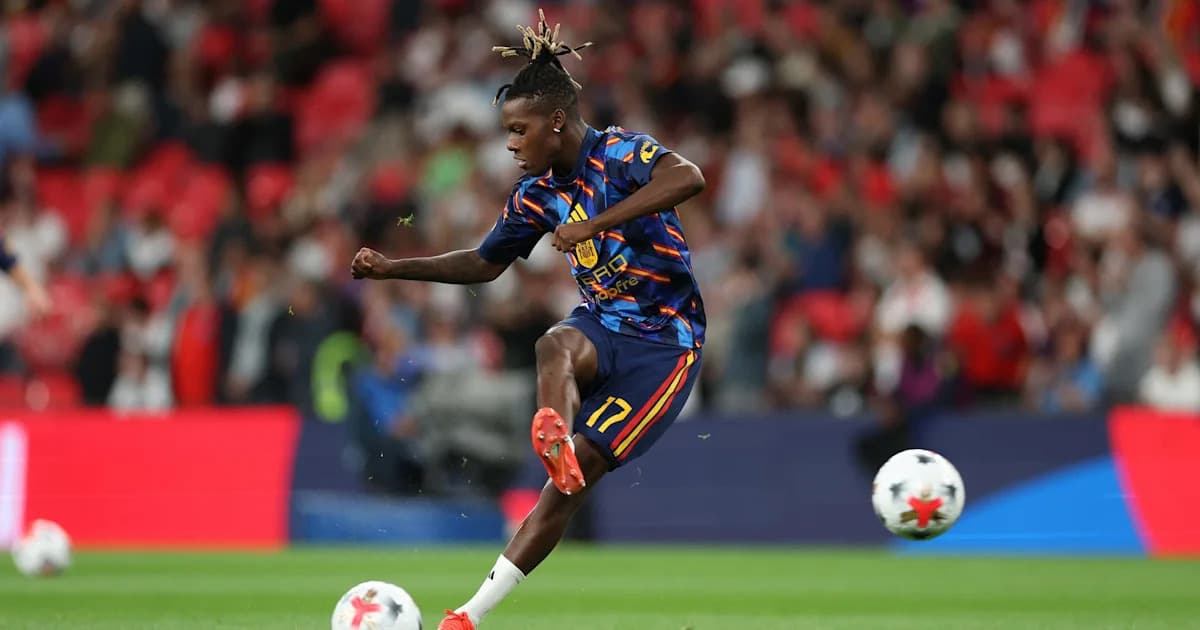
Then there is Rio Ngumoha. The teenager’s elevation feels symbolic: a nod to the conveyor belt of attacking talent England now produce as a matter of routine. He joins Morgan Rogers as part of a forward group that looks less like a closed shop and more like a rolling audition.
Not everyone will agree with the casting. Morgan Gibbs-White, like Wharton, stays on the outside looking in, and the reaction has been swift. The debate over who should sit just behind Kane, who should carry the ball through midfield, who should be trusted when games turn tight, will not quieten after this list.
But the direction of travel is clear. This is an England squad built around Bellingham and Rice, with Alexander-Arnold, Palmer and Scott asked to colour in the lines. It is a squad that leans into technical security and positional flexibility, and one that is willing to risk inexperience for higher upside.
The Nations League may never grip the public like a World Cup or Euros, yet for this group of players it is something else entirely: a live audition, under pressure, in a cycle that no longer has room for passengers.
Foden will watch this one from home. Others now have the stage.