Feyenoord’s Technical Director Dévy Rigaux Under Fire: Concerns and Comparisons
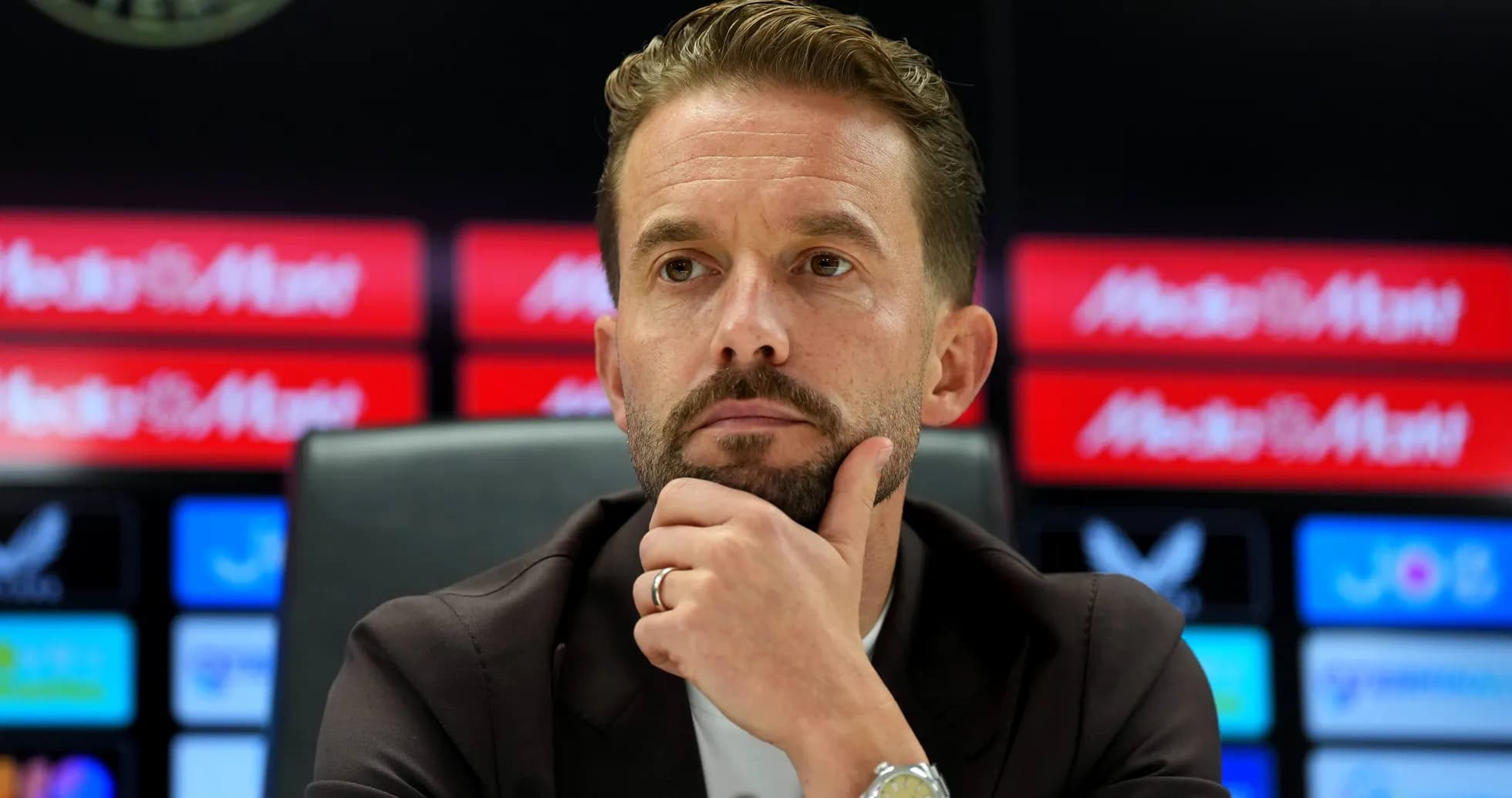
Dévy Rigaux has barely closed his first transfer window at Feyenoord, but in the Netherlands’ biggest football podcast he is already being torn apart. Valentijn Driessen and Mike Verweij, speaking in De Telegraaf’s Kick-off podcast, say they have almost no confidence in the Belgian as the club’s technical director. Their verdict on his opening months: a failed window, worrying signals, and dangerous déjà vu.
The alarm bells, they say, started ringing at Rigaux’s own initiative.
I Fear the Worst
Verweij points to Rigaux’s recent round-table with journalists as a key moment. Not a reassuring introduction, in his eyes, but a red flag.
“When I look at that round-table discussion by Rigaux with several journalists, I really fear the worst,” Verweij says. He immediately reaches for a loaded comparison: “I hope this does not become the new Sven Mislintat.”
That name still stings in Dutch football. At Ajax, Mislintat’s chaotic reign left a bloated squad, a fractured dressing room and a club scrambling to recover. Verweij hears echoes of that period in Rigaux’s words and decisions.
He zooms in on Rigaux’s stance regarding Hadj Moussa.
“He says: ‘No club is allowed to talk to Hadj Moussa, because he has an ongoing contract.’ Well, that is very naive, because it happens everywhere,” Verweij argues. In elite football, such a statement sounds more like wishful thinking than a realistic reading of the market.
The same goes, according to Verweij, for Rigaux’s version of events around Roma’s interest in Read.
“He also says there was no bid of 30 million for Read, with Rigaux hiding behind the ‘official bid’ of 26 million. But in telephone contact Roma immediately indicated they wanted to move towards that 30 million.”
The suggestion is clear: Feyenoord’s new decision-maker is playing with semantics in public, while the reality of the market tells a different story.
Second Bundesliga and Old Wounds
Verweij doesn’t stop there. He pulls another thread that will make Feyenoord supporters uneasy.
“He brings in players from the second Bundesliga,” he notes, before again linking Rigaux to Mislintat. “And another similarity is that you can sense in the media that everyone is over the moon with Rigaux, as if a world wonder has walked in. That was also the case with Mislintat.”
The pattern, in his eyes: a technical director who talks well, leans heavily on a specific market, and gets an initially glowing press. The fear: the hangover that comes when the results and resale values fail to match the rhetoric.
Driessen: A Scandalous Round-Table
At that point, Driessen steps in and turns the temperature up another notch. He calls Rigaux’s media appearance “truly a scandalous round-table discussion” and focuses on the way the Belgian spoke about his predecessor, Dennis te Kloese.
“The way he spoke about Dennis te Kloese... He did not say it directly, but he did let all kinds of things slip about the Te Kloese period,” Driessen says. “Too many players, far too much in wages, too many write-downs... He knew what he was getting into, didn't he?”
The criticism cuts both ways. Driessen hears a new director distancing himself from the previous regime, while also implying that Rigaux walked into Feyenoord with his eyes open. Complaining about the legacy now, he suggests, sounds hollow.
“Well, I'm very curious whether in that, according to him, ‘completely different way’ he is going to achieve the same results as Dennis te Kloese,” Driessen fumes.
Te Kloese helped steer Feyenoord back to the top, into title races and Champions League football. Matching that bar is hard enough. Doing it while dismantling or questioning the foundations laid before you is even harder.
Champions League Warning
Driessen then goes straight for the competitive core of the debate: what this squad can actually do on the pitch.
“You can go into the Champions League with this team,” he says, before delivering the punchline, “but you will finish bottom without a chance. And then what is the value of Read, Hadj Moussa and Zechiël?”
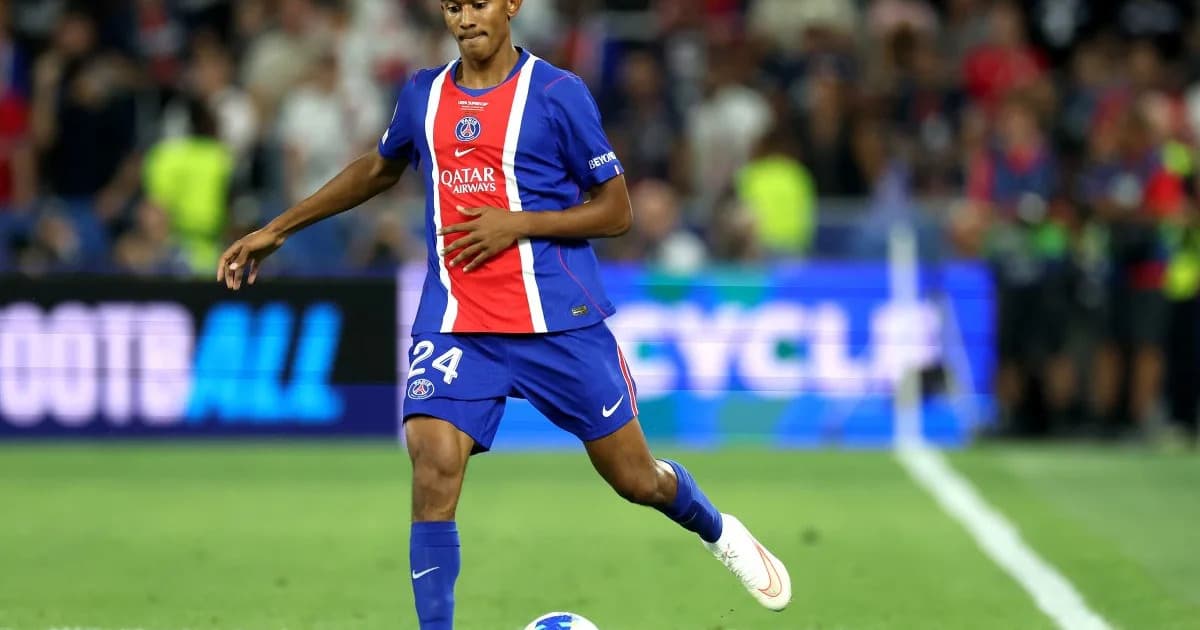
That’s the crux of the concern. Feyenoord are building with names like Read, Hadj Moussa and Zechiël, but Driessen questions whether this construction is remotely Champions League-proof. If the team collapses at that level, he argues, the carefully crafted transfer stories around these players risk evaporating with it.
Everyone Falls for His Slick Talk
Verweij comes back in with one final comparison to Mislintat, this time honing in on communication and goalkeeper Tjark Ernst.
“Everyone falls for his slick talk!” he exclaims, suggesting Rigaux’s charm is clouding judgment in and around the club. Then he cites one of the more eyebrow-raising claims from the Belgian: “Tjark Ernst, material for Die Mannschaft... Every diagonal ball is a goal conceded!”
The line about “Die Mannschaft” is meant as praise for Ernst’s potential, but Verweij counters it with a brutal on-pitch observation: if every diagonal ball leads to danger, talk of a future Germany international rings hollow.
That tension runs through the whole debate. On one side: the words, the presentations, the big claims about value, potential and a “completely different way.” On the other: sceptical voices who see risky recruitment, naïve public statements and a club that might be flirting with a familiar kind of chaos.
Feyenoord wanted a fresh chapter in the technical heart of the club. The question now is whether Dévy Rigaux is writing a new story—or just a painful remake.