FIBA World Cup 2026: Team USA Faces Global Competition
The United States arrives in Berlin carrying a dynasty and a warning label.
Four straight FIBA World Cup titles. Nine of the last 12. Not a single defeat on this stage since 2006. On paper, it sounds like another American procession is loading up. In reality, the rest of the world has closed in, and Kara Lawson knows it.
"It's going to be the most difficult World Cup to win," the Team USA head coach said on Sept. 1. No caveats. No soft landing. Just a blunt assessment of a landscape that looks nothing like the one the U.S. once dominated by default.
A World No Longer Intimidated
The 2026 FIBA World Cup tips off Friday, Sept. 4, in Berlin, with 16 countries split into four groups. The U.S. arrives with a full roster of WNBA players, a flex that used to separate them from almost everyone else. That edge has eroded.
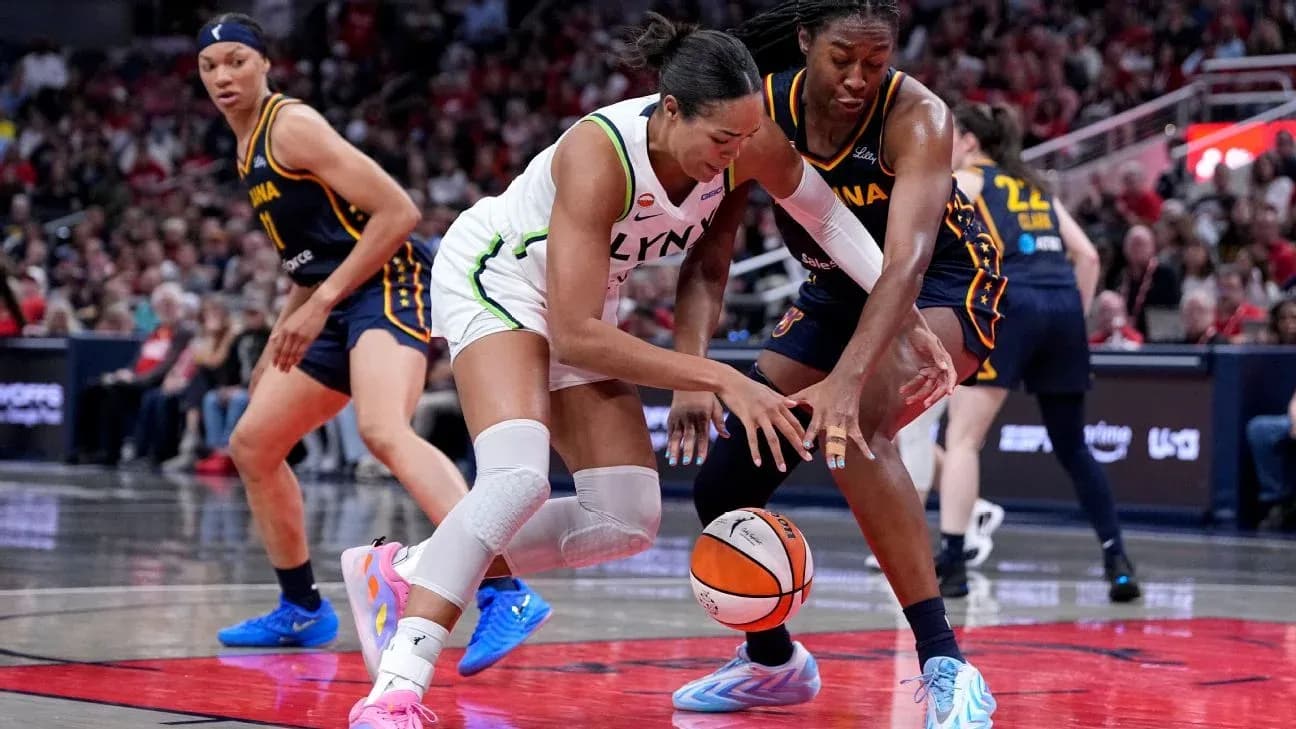
France and Australia trail just behind with eight WNBA players each. Spain brings five. Germany and Belgium have four apiece. The badge on the jersey still matters, but now the names on the back travel the world, play the same league, share the same scouting reports.
"There's no question that the world is improving at a rapid rate," Lawson said. She called it exciting, but it’s also the reality: the gap that once felt like a canyon is now more like a tight alley.
Look at the benches and the depth charts. They tell the story as clearly as any stat sheet.
Group A: Tradition Meets Ambition
Group A sets the tone.
Japan, coached by Corey Gaines with Tomoki Miyata alongside him, brings its trademark pace and discipline. Spain, under Miguel Méndez and a deep staff of Cristina Cantero, Raquel Romo and Anna Montañana, arrives as a perennial contender, armed with that core of WNBA experience and a history of punching above its size.
Host nation Germany, led by Olaf Lange with assistants Stefan Möller, Parker Lovett and Constanze Wegner, steps into a rare spotlight. Four WNBA players, home crowds, and the chance to turn potential into something more tangible.
Mali, coached by Mali Oumarou Sidiya, rounds out the group, still finalizing details but never to be dismissed in a tournament where one hot night can flip an entire bracket.
Group B: Danger in the Details
Group B doesn’t have the same star power as some others, but it’s laced with threat.
Hungary, with Péter Völgyi at the helm, has become a steady presence in international play. Korea, led by Park Soo-ho, brings speed, shooting and a system that can punish any lapse.
Nigeria, coached by Rena Wakama, has already shown on past stages that it can rattle giants with physical defense and fearless guards. France, though, is the headliner here.
Jean-Aimé Toupane directs a French squad loaded with WNBA talent and supported by assistants David Gautier, Christophe Léonard and Grégory Halin. France has hovered near the summit for years. In Berlin, with this roster, anything less than a deep run will feel like a missed opportunity.
Group C: Heavyweights and Dark Horses
Group C might be the most volatile of the lot.
Australia, under Sandy Brondello, brings eight WNBA players and a coaching staff of Renae Garlepp, Paul Goriss and Kennedy Kereama. The Opals have the size, shooting and experience to stare down anyone, including the U.S.
Belgium, coached by Mike Thibault with Pascal Angillis, Fred Dussart and Dena Evans on his staff, is no longer a feel-good story. With four WNBA players and a generation of stars in their prime, Belgium has become a genuine medal threat.
Puerto Rico, led by Gerardo Batista, continues to build on recent breakthroughs, while Türkiye, under Andrea Mazzon with assistants Murat Alkaş and Fatih Emre Gezer, lurks as the kind of disciplined, tactical side that can wreck a favorite’s plans in 40 tense minutes.
Group D: The Champions’ Gauntlet
Then there is Group D, where the reigning queens of the sport must live up to their reputation.
China, coached by Gong Luming with Pierre Vincent assisting, brings size, structure and a growing confidence after years of steady progress. Czechia, led by Romana Ptáčková, adds European savvy and a system that often travels well in tournament play.
Italy, under Andrea Capobianco and assistants Vincenzo Di Meglio, Alessandro Fontana and Angela Gianolla, brings a mix of craft and grit, the kind of team that can drag opponents into uncomfortable games.
And then: USA.
Lawson leads a staff of Natalie Nakase, Nate Tibbetts and Stephanie White, all of them steeped in the pro game. Every player on the roster comes from the WNBA. Every opponent knows them, studies them, and no longer steps on court expecting to lose.
Lawson has seen the rosters, studied the film, weighed the margin for error.
"Now when you look at rosters, there's a number of just high quality players," she said. "I think the depth of these rosters is really strong."
The numbers back her up. So do the names.
Berlin won’t just test whether Team USA can extend a dynasty. It will show whether the rest of the world has finally built one of its own.