Gable Steveson’s Exit at UFC 331: Jon Jones Takes Responsibility
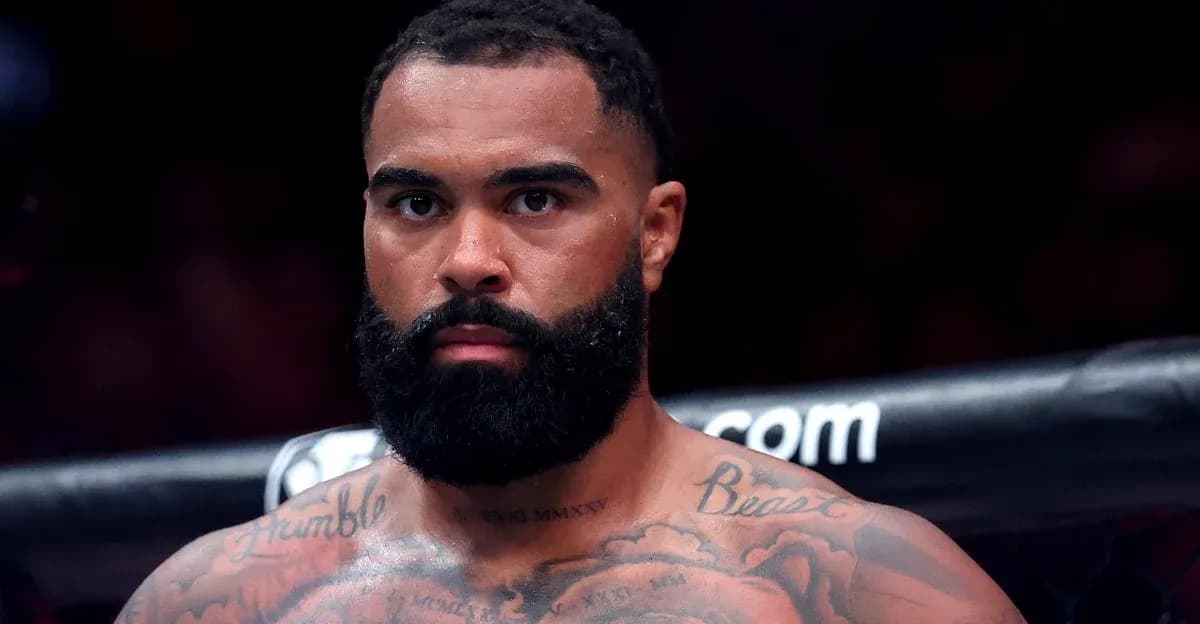
Jon Jones has stepped forward to take the blame for Gable Steveson’s abrupt exit from the octagon after his brutal knockout loss at UFC 331.
The Olympic gold medalist walked into Los Angeles as one of the most hyped heavyweight prospects the promotion has signed in years. He walked out 12 seconds into his fight, flat on his back from a vicious left hand by Sean Sharaf and then gone from the cage before Bruce Buffer could even read the result.
The boos had followed Steveson all week. By the time he hit the canvas, the arena noise felt like it was shaking. While Sharaf celebrated the biggest win of his career, Steveson was already on his way backstage for medical attention, drawing criticism for not staying to acknowledge his opponent.
Jones says that was on him.
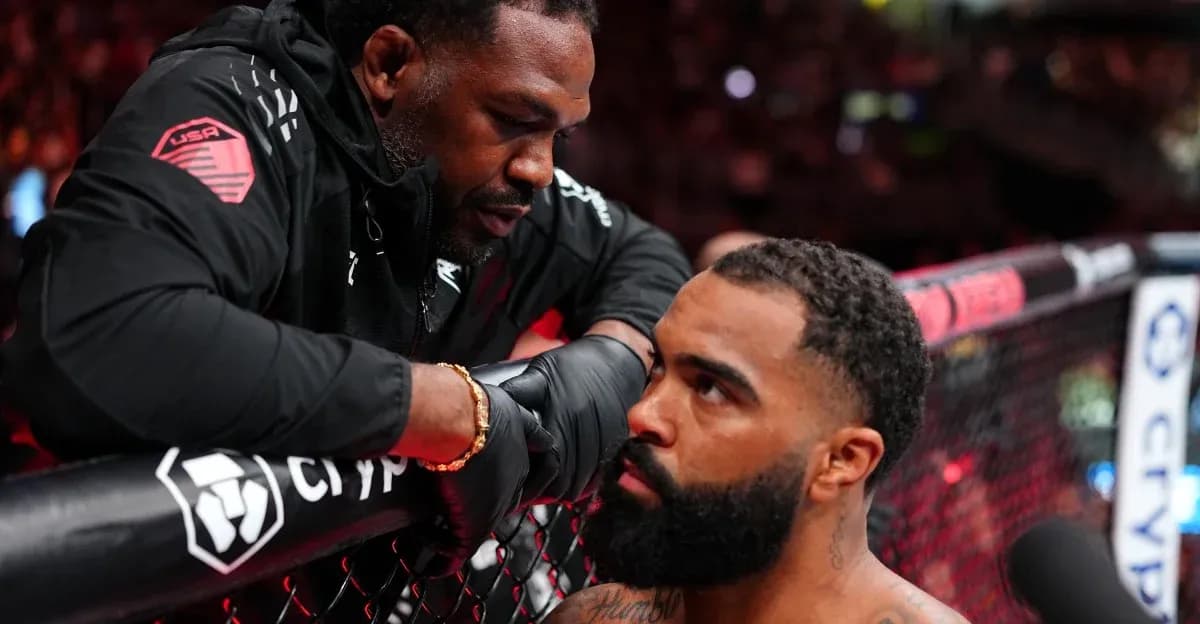
“I’ve seen some reports on line and I really wanted to clear the air. It was my decision to take Gable straight to the back after the fight,” Jones wrote on Twitter. “Honestly it was the first time in this situation for me and my instant reaction was to get my friend to the back to make sure he was ok.
“Gable’s work ethic and will to win is there and I stand by him and believe he will go on to be one of the best heavyweights in the UFC. He will be back I’m sure of it.”
For Steveson, UFC 331 was supposed to be another step in a smooth, almost scripted rise. An Olympic champion in freestyle wrestling in 2020, he had long flirted with the idea of crossing into MMA. The turning point came when he joined Jones’ camp as “Bones” prepared for Stipe Miocic. Inside that room, surrounded by the sport’s elite, Steveson saw a new future.
He embraced it quickly. Before Saturday night, he was 4-0 as a professional, four first-round finishes, four statements that suggested the transition from the mat to the cage might be seamless.
Sharaf shattered that illusion with one punch.
The image of Steveson leaving the octagon without a word to his conqueror clashed sharply with the respect-heavy culture the UFC likes to showcase after violent endings. Jones’ intervention reframes that moment: not as petulance, but as a corner man’s snap decision to protect a stunned fighter in hostile territory.
The setback is undeniable. So is the platform. A young heavyweight with an Olympic pedigree, backed publicly by Jon Jones, coming off his first taste of real jeopardy. How he responds to that 12-second collapse will say far more about his future than the perfect 4-0 run that came before it.