Gable Steveson Shocked in 12 Seconds at UFC 331
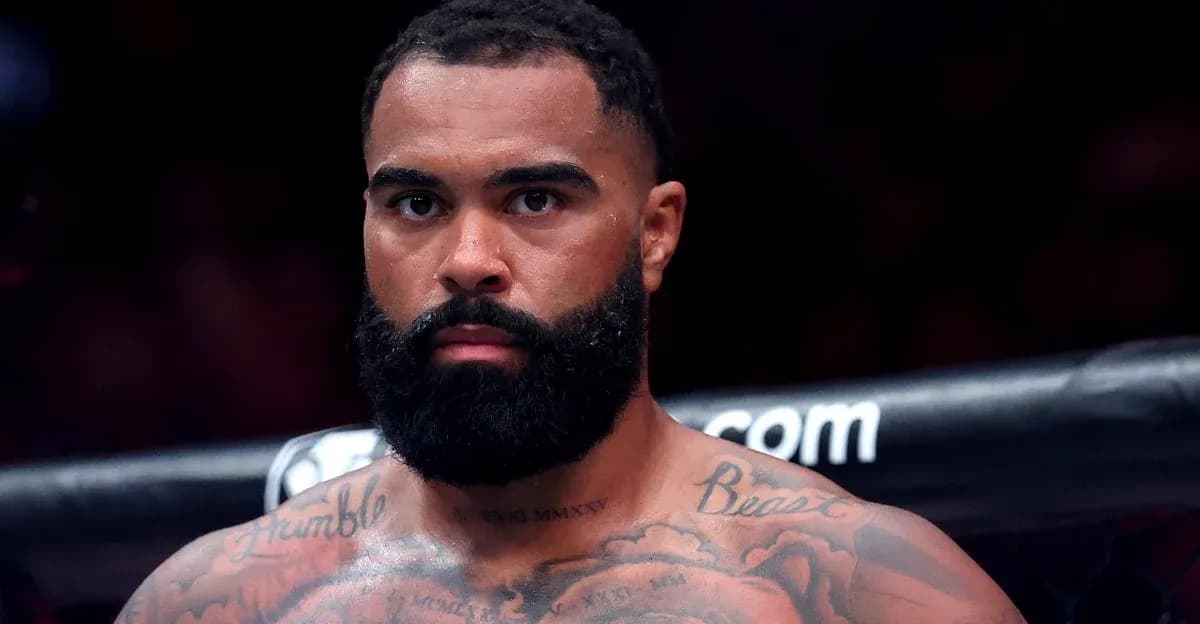
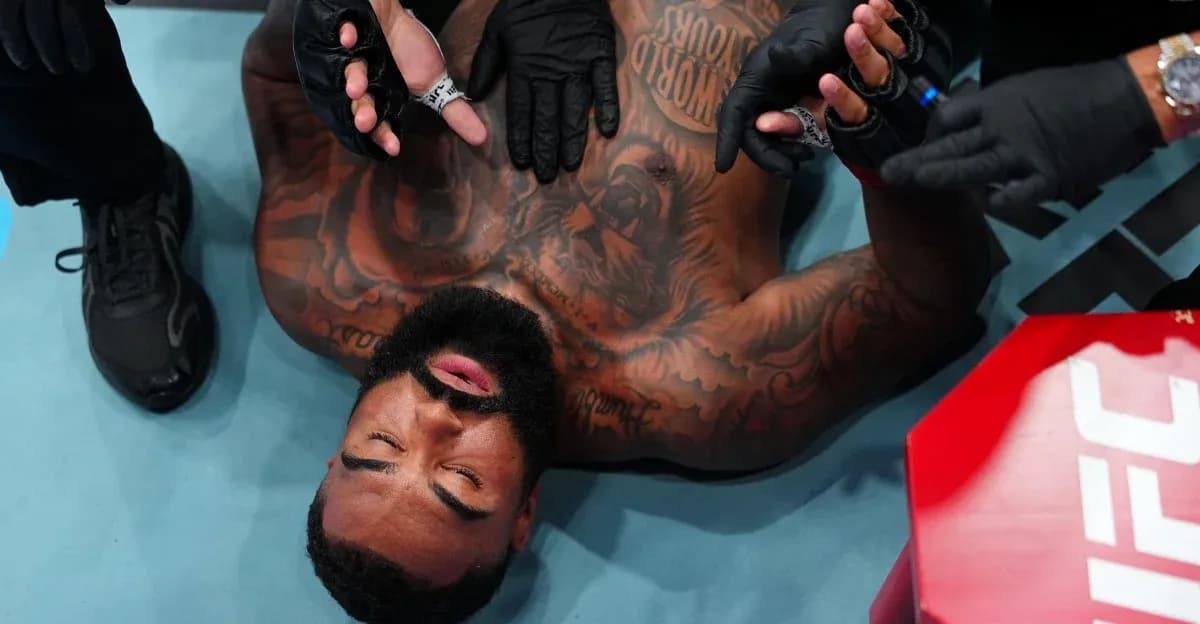
Gable Steveson walked into UFC 331 as the future of the heavyweight division. He walked out in silence, flat on his back, his aura shattered in 12 brutal seconds.
The Olympic gold medalist, unbeaten at 4-0 and treated like a sure thing, ran straight into the kind of moment that rearranges careers. Sean Sharaf, a fighter with an 0-2 record in the UFC and almost no one giving him a chance, stepped forward, dipped, and detonated a left hook that will live on in every upset montage the promotion cuts for years.
One punch. One perfect shot. Steveson’s head snapped back, his body crumpled, and the Los Angeles crowd roared — not in shock, but with a kind of ruthless delight at seeing the hyped phenom sent into the dark.
The clock read 0:12 of the first round. A heavyweight prospect supposedly built for dominance had been “absolutely demolished,” as Joe Rogan put it, before he’d even had time to shoot for a takedown.
The drama didn’t end with the knockout.
When Steveson finally regained his senses and made it back to his feet, there was no handshake, no nod of respect, no acknowledgment of the man who had just handed him his first professional loss. He turned, climbed out of the cage, and disappeared down the tunnel before Bruce Buffer could even raise Sharaf’s hand.
The reaction was instant and unforgiving.
Social media lit up, hammering Steveson not just for the defeat, but for the way he handled it. Inside the commentary booth, two men who know all about the weight of expectations — Daniel Cormier and Joe Rogan — didn’t hold back either.
“I think Gable made some mistakes in there,” Cormier said after the event. “You’re a 4-0 fighter. Wrestle. You have to.”
That was the sting. Steveson, one of the most decorated freestyle wrestlers on the planet, never leaned on the skill set that made him an Olympic champion. He stood flat-footed with a desperate underdog who had no intention of playing along with the script.
Cormier’s criticism ran deeper than tactics.
“You stand there and you take your licks whenever you lose,” he said. “You let that man get his hand raised and you stand there no matter how you feel.
“If you’re concussed, cry — I did it! There’s the truth! But you take your licking whenever stuff doesn’t go your way. You cannot be a great winner but then an ungrateful loser and I think that was bad by Steveson.”
The standard was clear: you don’t just show up when the cameras love you. You stand there when they don’t.
Rogan focused on the psychology of the collapse. For him, this wasn’t just about a missed shot or a defensive lapse. It was about a young star believing too much of his own press.
“I think the odds and the hype got to his head and he felt he couldn’t be beaten,” Rogan said. “He stood there flat-footed and Sean just uncorked a picture-perfect left hook. He dipped and then hooked and caught him on the chin. The chin, the head snaps back. Out cold.”
Rogan didn’t stop there. He framed it as one of those rare nights when the sport flips the script so violently it feels like fiction.
“It was one of the greatest storybook, Cinderella stories. It has to be without a doubt the biggest odds ever.”
Steveson came into MMA with something few prospects ever carry: Olympic gold, mainstream attention, and an expectation that he would simply roll through the heavyweight division once he learned the ropes. Cormier, another Olympic-level wrestler who transitioned into MMA and became a two-division UFC champion, knows that world intimately.
“I was fighting at a different level, I wasn’t in the UFC,” Cormier said, drawing a line between his early days and Steveson’s high-profile entry. The scrutiny on Steveson has been relentless from the moment he announced he was crossing over.
But none of that mattered to Sharaf.
“The reality is he’s new to this and Sharaf had no respect for him,” Cormier said. “Gable’s an Olympic champion and maybe people expect other people to respect that but they’re not going to.
“Sharaf was not having any of it. He went in there to knock Gable Steveson out and he did.”
That’s the cold truth of heavyweight MMA. The resume on paper doesn’t stop a left hook. The gold medal doesn’t absorb a shot to the chin. The hype doesn’t protect you when the cage door shuts and the man across from you has nothing to lose.
For Steveson, the loss is more than a blemish on a clean record. It’s a hard reset. The questions now aren’t about how quickly he can climb to a title shot, but how he responds to being violently humbled on a big stage and called out for the way he handled it.
The talent is still there. The wrestling is still there. The potential remains. But after 12 seconds that stripped away the illusion of inevitability, the next time Gable Steveson walks into the octagon, everyone will be watching for something different.
Not just whether he can win — but whether he’s learned how to lose.