Gabriel Jesus' Barcelona Debut: A New Era Begins
Jesus needed only a week in Barcelona to pull on the shirt. He needed only 10 minutes to understand what kind of whirlwind he has stepped into.
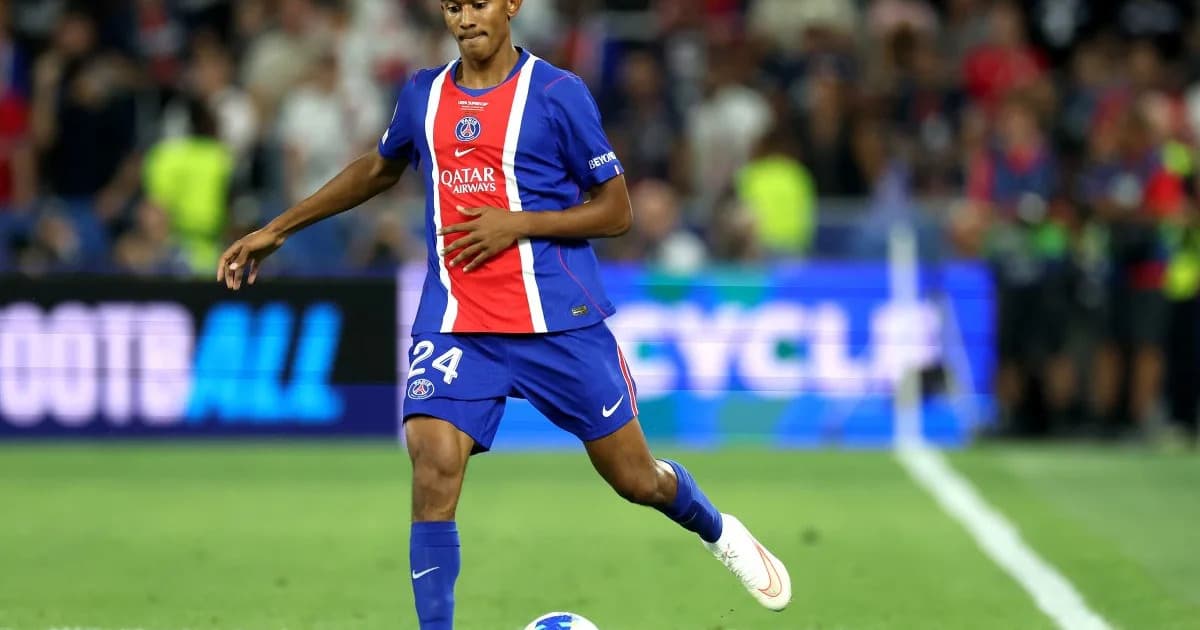
At Mestalla, with the game already bent firmly to Barcelona’s will, the 29-year-old Brazilian rose from the bench in the 80th minute, replacing Pedri. The scoreboard read 4-0. The tension was gone. The noise was not. It was the perfect soft landing in La Liga for a forward whose last 18 months have been anything but gentle.
A debut born on deadline day
This cameo was the visible end of a frantic process. His move from Arsenal to Barcelona was only completed on deadline day, a late-window solution to a problem that had been looming over the club all summer. For €10m plus performance-related add-ons and a three-year contract, Barça handed Jesus the responsibility of leading the line in the new era under Hansi Flick.
The fee is modest by modern standards, but the stakes are not. Deco and his recruitment team have gambled that a player with a recent ACL problem can still be the relentless, pressing, title-winning forward he once was. If he is, €10m will look like daylight robbery.
For now, the story is more emotional than tactical. When the final whistle went in Valencia, Jesus spoke like a player who understood the weight of the shirt he had just worn.
Debuting in this jersey makes me so happy, he told the club’s media. No grand declarations. Just the simple, raw joy of a footballer who has fought his way back to this stage.
Between joy and reality
The excitement is real, but so is the reality of his body. The striker has spent the last year and a half wrestling with injuries, the most serious a major ACL issue in 2025 that derailed the closing chapters of his Arsenal spell. That kind of setback does not vanish with a signature or a new number on the back.
"I feel physically good, but I need more match sharpness. I’m very happy with the minutes I got," he explained, outlining his current state with the kind of honesty that coaches appreciate and medical departments measure.
He knows he will not be thrown straight into the fire. Not under Flick. The German demands a ferocious press, constant movement, and repeated sprints from his forwards. That intensity can transform a team. It can also break a player who is rushed back too quickly.
Jesus understands the balance. "Physically I feel good, though I’m still building up match fitness. The more minutes I get, the better I’ll feel. I'm just really happy for the debut and the win." There is no impatience in that message, only a clear awareness that this is a process.
A team already in full flow
If there were any doubts about what kind of team he has joined, Mestalla provided the answer. Barcelona did not just beat Valencia; they moved them around, pulled them apart, and played with a freedom that felt like a statement from Flick’s new project.
The Blaugrana attacked with fluidity and a ruthless edge that the hosts could not live with. For a forward like Jesus, who thrives in high-tempo, high-pressing systems, it must have felt like stepping into a familiar script, just in a different shade of blue and red.
"We have a very great team full of quality and we play beautiful football," he said afterwards, clearly impressed by the level around him. Then came the line that will echo well beyond one away win. "I love football and I love Barcelona. This is the way I love playing. It makes me very happy."
Those are the words supporters cling to. A player who has won major trophies elsewhere, declaring his affection for the club and the style, before he has even started a game at Camp Nou.
What he did not do was hide behind sentiment. He finished his post-match reflections by stressing that every chance he gets under this coaching staff will be treated as something to be seized, not assumed. That hunger, more than any tactical fit, is what will decide whether this move becomes a success.
A calculated gamble at the top of the pitch
From the boardroom, this transfer carries a different kind of emotion: risk, necessity, and opportunity. Barcelona lost Robert Lewandowski and Ferran Torres in the same summer window, ripping out proven goals and experience from the centre of their attack. That sort of void is not easily filled, especially under financial constraints.
So Deco turned to a forward who knows what it means to play for titles, who has lived inside the demands of high-pressing football at Manchester City and Arsenal, and who arrives with a point to prove. At €10m, the club views it as a bargain — but only if the medical staff can keep him on the pitch.
If they do, Jesus offers something powerful: a striker tailored for "Flickball", capable of leading the press, linking play, and finishing chances in a team built to swarm and suffocate opponents. If they cannot, this deal becomes another reminder of how thin the margins are at the top level.
For now, though, the story is simple. A player who once ruled English penalty areas has stepped into a Barcelona side that looks ready to run again. Ten quiet minutes at Mestalla, no goals, no drama — just the start of something that could define both his career revival and Flick’s new Barcelona.
The next question is no longer whether Jesus fits. It is how long it will take before he is not just part of this team, but leading it from the front.