Germany's Dominant Victory Over Serbia Under Jürgen Klopp
Germany’s new era under Jürgen Klopp rolled on in Belgrade, with a controlled 3-1 win over Serbia that looked, at times, more like a training exercise than a high-stakes UEFA Nations League tie.
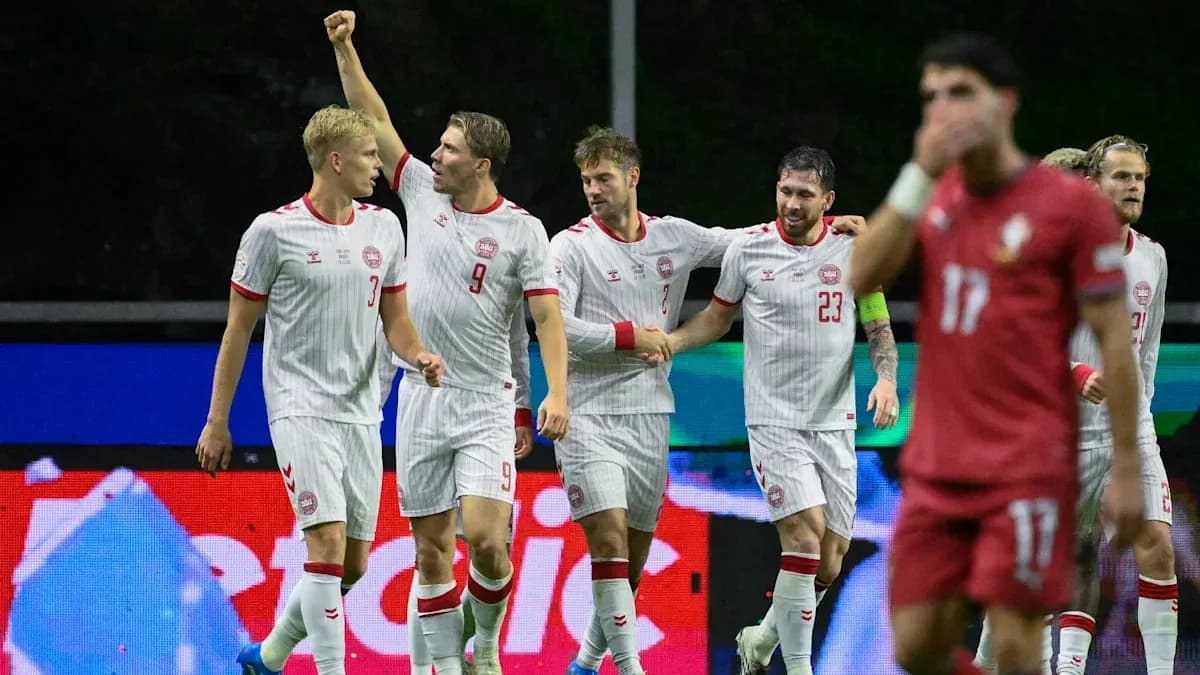
In a sparsely populated Rajko Mitic Stadium, Germany struck before many had settled into their seats. Barely three minutes had passed when pressure on the Serbian back line forced Srđan Babić into turning the ball into his own net, a messy, scruffy goal that perfectly suited Germany’s fast, front-foot start. It set the tone: Germany dictating, Serbia chasing shadows.
Klopp’s side didn’t let up. The passing had bite, the pressing came in waves, and Serbia struggled to get out. The second goal felt inevitable.
It arrived on 14 minutes. Florian Wirtz, so often the cleverest player on the pitch, ghosted into the right place at the right time. After an initial chip was only partially dealt with by Vanja Milinković-Savić, Wirtz reacted quickest and tapped in from close range. Simple finish, ruthless move. Germany were two up and cruising, their dominance reflected on the scoreboard as much as in the rhythm of the game.
For most of the first half, Serbia had little more than half-chances and hopeful breaks. Only towards the end of the opening 45 did they finally show the defiance their home crowd—what there was of it—demanded. A few sharper attacks, a little more aggression in the duels, and Germany were at least made to think rather than stroll. But the pattern remained clear: Klopp’s team were in command.
Any Serbian hopes of a turnaround after the interval lasted just five minutes.
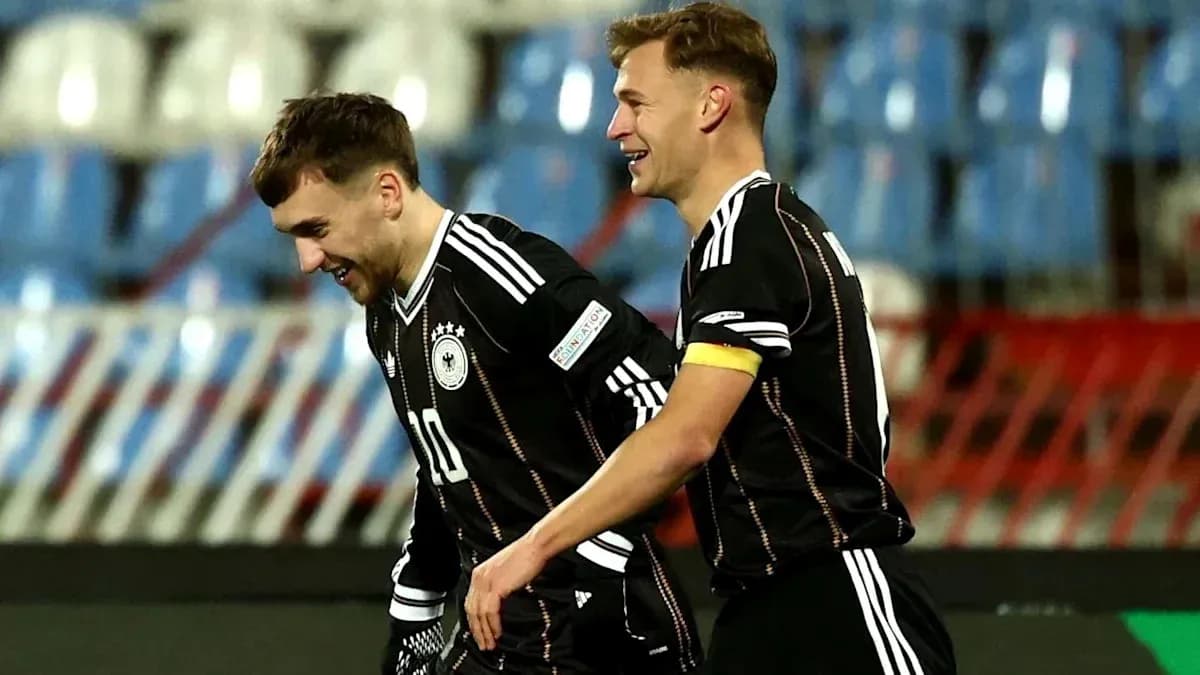
Brajan Gruda, still carving out his place in this squad, delivered the game’s outstanding moment. Collecting the ball deep, he drove forward, carrying it nearly 40 yards with intent and balance, riding challenges and never breaking stride. The finish matched the run: calm, precise, clinical. As the ball hit the net for 3-0, the cameras cut to the German bench and found Klopp, grinning broadly. This was his football on display—aggressive, direct, joyful.
Gruda’s strike effectively settled the contest and underlined the sense that Germany are beginning to move with a clearer identity under their new coach. It was only his second win in charge, but there was a coherence to this performance that will encourage those already dreaming beyond the Nations League table.
Serbia did at least salvage a measure of pride. On 56 minutes, Babić, the man whose night had begun in disaster, met his own redemption arc with a consolation goal. It didn’t alter the trajectory of the match, yet it gave the scoreline a touch more respectability and rewarded a more spirited second-half effort from the hosts.
For Germany, though, the real story lies in what comes next.
The win keeps them third in Nations League Group B, still chasing a top-two finish. They now head to Berlin for a heavyweight clash with the Netherlands on Monday night, a fixture loaded with history and now thick with consequence. The Dutch arrive on the back of a ruthless 7-0 demolition of Greece in Amsterdam, a statement result that suggests Xavi Hernández has quickly imposed his ideas on Oranje.
Joshua Kimmich didn’t shy away from the stakes when asked if Germany must treat the Netherlands match like a cup final. “Yes, absolutely. I think we actually have to win, given the current situation in the group. So we’re really looking forward to the game,” he said, capturing the mood of a squad that knows there is little margin for error.
The equation is simple but unforgiving. Even a victory over the Dutch will not automatically lift Germany into second place. They also need Greece to drop points against Serbia in Volos. Goal difference currently favours Germany, with both sides locked on eight points, but the slightest slip could undo the work of this international break.
For now, though, Klopp has what every new national team coach craves: evidence. Evidence that his ideas translate, that his players buy in, that the team can control away games, score multiple goals, and still have room to grow.
Belgrade was not a cauldron. It did not need to be. Germany brought their own fire—and now they must carry it into Berlin, where the real examination of this revival awaits.