Granit Xhaka Faces Criminal Investigation Over Forged Vaccination Certificate
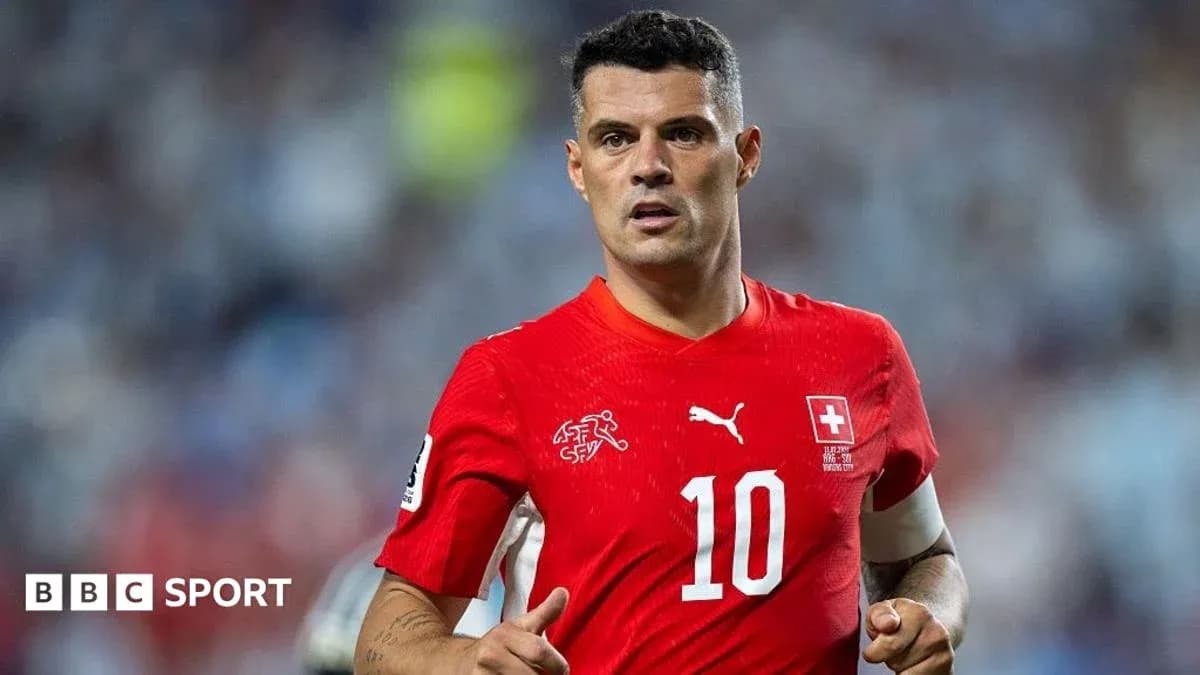
Granit Xhaka, the relentless heartbeat of Switzerland’s national team for more than a decade, now finds himself at the centre of a criminal investigation far removed from anything he has faced on a pitch.
Prosecutors in Lucerne have opened proceedings into allegations that the 33-year-old obtained a forged Covid-19 vaccination certificate in 2022, at a time when such documentation eased travel and access to certain venues at home and abroad. The investigation will examine whether any criminal behaviour was involved in securing what officials describe as a “false or forged” certificate.
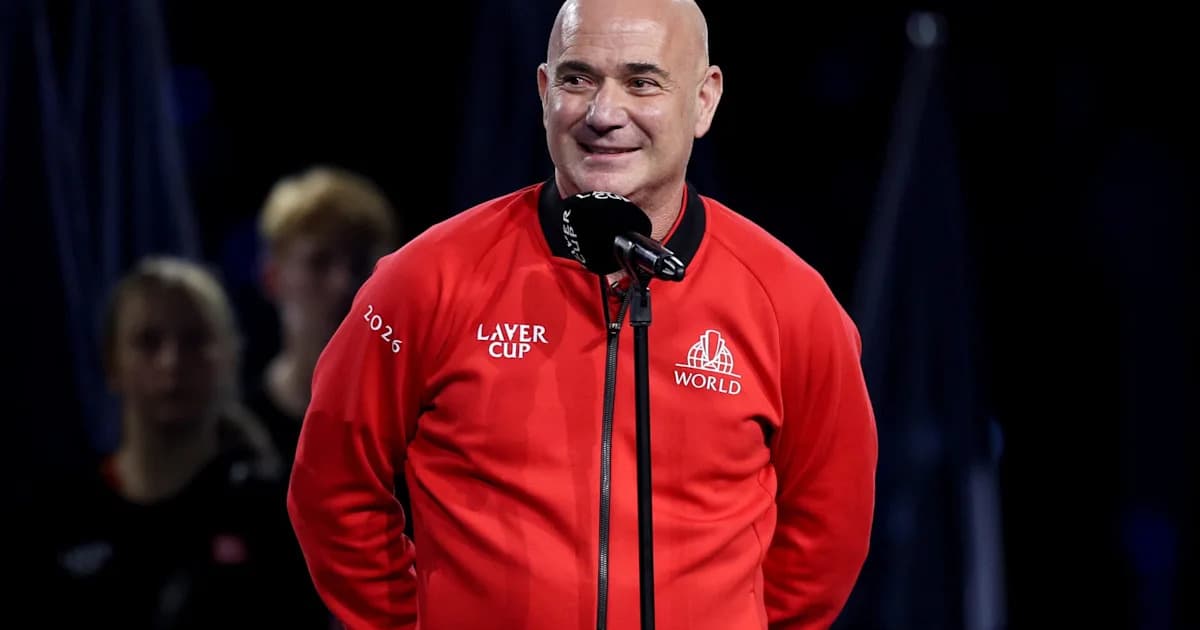
At the time, Xhaka was still at Arsenal. Now at Sunderland and still captain of his country, he chose to get in front of the story on Monday, issuing a candid statement on social media that laid bare his state of mind during the pandemic.
He admitted a “mistrust” of the vaccine and said he had been “influenced by worries and uncertainty”. In that mindset, he said, he opted to acquire a certificate rather than seek proper medical clarification.
“In this troubled state of mind I acquired a vaccine certificate, instead of clarifying my unanswered questions in the proper way,” he wrote. “Today I see clearly, that this way was not correct. It was a mistake. I'm sorry.
“I take responsibility for this decision, will engage with the process of establishing the facts and fully co-operate with the relevant authorities.”
Those authorities are clear on one point: Switzerland never imposed a blanket legal obligation to hold a Covid certificate. The Swiss office of public health underlined that there was no general requirement for every citizen. But the document quickly became a gatekeeper. It was needed for entry to certain activities and venues and, crucially for an international footballer, for travel. Anyone without one saw their daily and professional life sharply restricted.
The domestic measures lasted until spring 2022. After that, certificates did not disappear; they remained a key tool for travellers needing to satisfy entry rules in other countries. It was in that climate of shifting regulations and rising pressure that Xhaka now says he made his mistake.
The repercussions are already being felt in Swiss football.
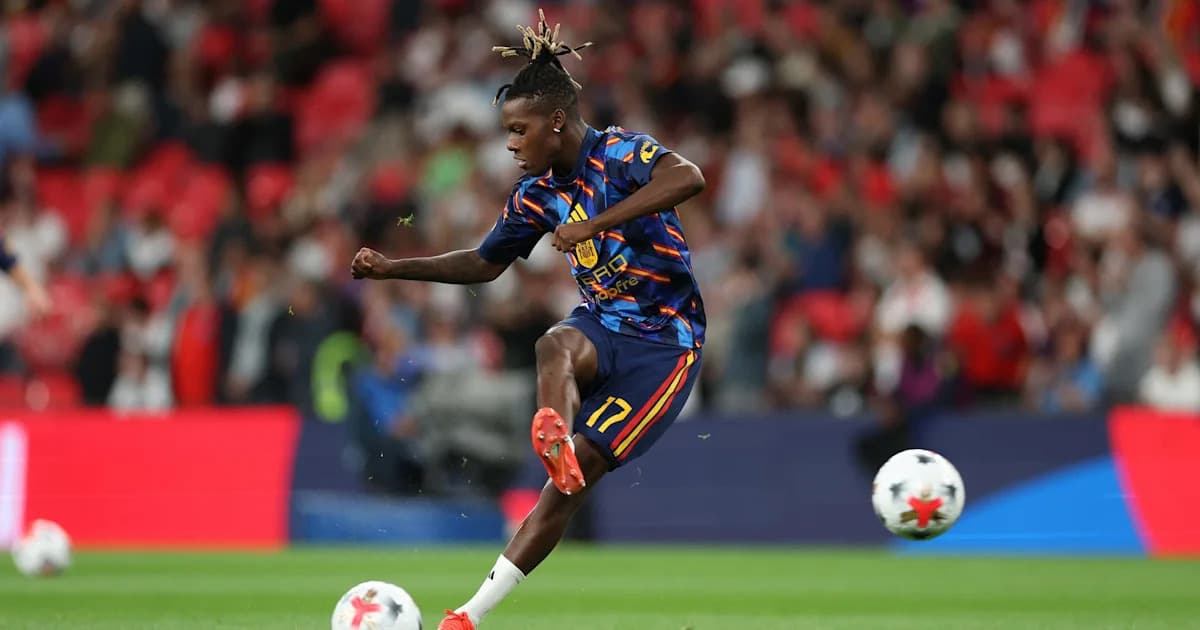
The Swiss Football Association confirmed that Xhaka, their record appearance holder with 152 caps, has withdrawn from the squad ahead of their upcoming Nations League fixtures against Scotland, North Macedonia and Slovenia. His exit from the camp followed directly on from his public statement.
The federation stressed the decision was taken jointly by the player and the national team management. Once this international window closes, they intend to sit down and discuss his future role with the side he has led with such force and visibility.
Switzerland’s schedule does not pause for the storm. They travel to face North Macedonia and Scotland on 26 and 29 September, then return home for meetings with Slovenia and North Macedonia in early October. For the first time in years, they will do so without Xhaka at the heart of their midfield and without his familiar armband presence in the technical area or the dressing room.
At club level, Sunderland are keeping their distance from the legal and ethical dimensions of the story. After the Black Cats’ defeat at Manchester City on Sunday, head coach Regis le Bris drew a firm line when asked about the allegations.
“It is not my area to speak about those problems or situations,” he said. “My area is football. About football, he is really good.”
That last point is not in dispute. Xhaka captained Switzerland at the World Cup earlier this year, driving them into the quarter-finals before they fell to eventual runners-up Argentina. His leadership, his intensity, his refusal to hide in big moments – all of it has defined a generation of Swiss football.
Now the spotlight follows him into a very different arena. Prosecutors will work through documents and testimony rather than passes and tackles. The national team must adapt without their standard-bearer. And a veteran captain who has always played on the front foot must navigate the most delicate passage of his career, with his international future suddenly, and starkly, in question.